(53) Onibaba (1964, Kaneto Shindō)
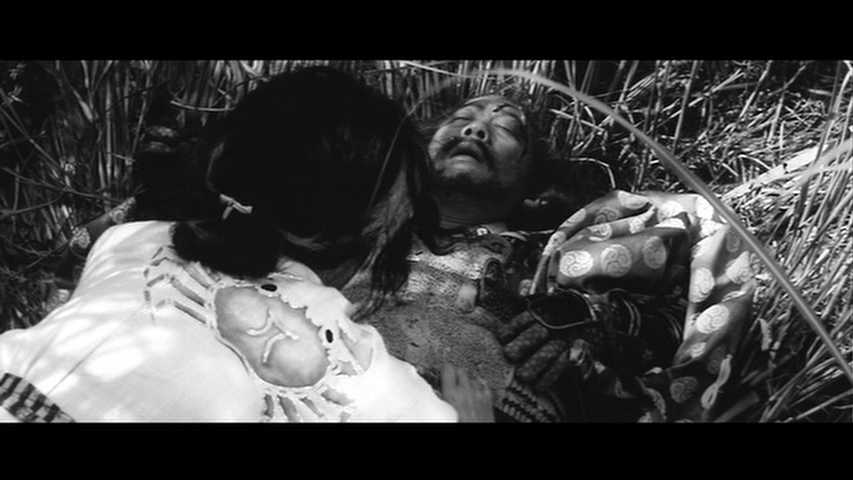
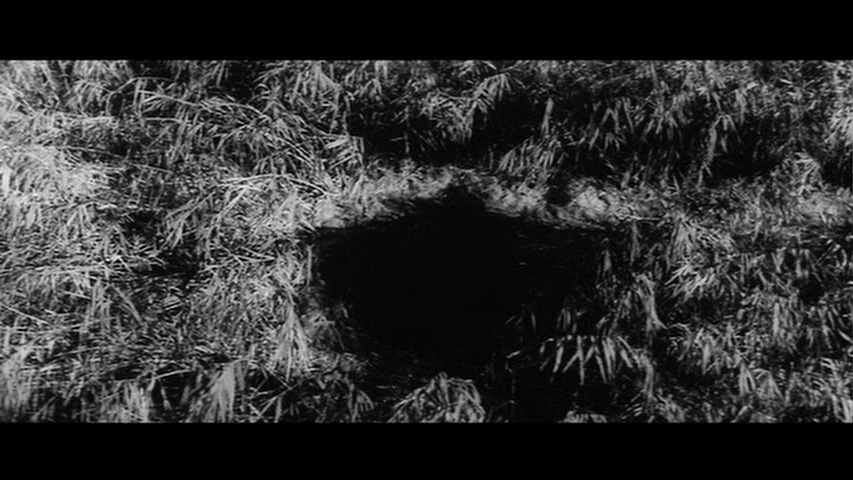
Onibaba is one of the best exercises I’ve ever seen in understanding how humanity can be dominated by our baser selves. More pointedly, the filmmakers create an allegorical space where we see what happens with people whose humanity is reduced to pure survival. This stems from war and what always happens with war, a breakdown of civilization. In this case, we get two women who must kill stray samurai to survive (stripping them of their battle wear and weapons to sell) and then hide their bodies in a pit. What is so striking is when they kill their prey, filmmaker Kaneto Shindō makes them seem particularly vicious in what they do, their humanity so degraded that they have no qualms in killing, stripping them down, and dispatching their bodies into the anonymity of the pit.
What especially punctuates this slip into a more primal state of being is Shindō’s shots and sounds of the sea of flowing wild reeds, stressing the raw naturalness of the space, “natural” here registering the more primitive (de-evolved) nature of humanity. I should stress here that what is so provocative about this idea is that one could argue that it isn’t necessarily entirely a negative shift in being, the film giving us two very strong, empowered, resilient women, the younger woman (Jitsuko Yoshimura) not letting arbitrary and unnatural ideologies of decorum dictate her sexual sovereignty.
We also see this degradation of humanity in the merchant who scavenges for profit, taking whatever the women sell him for food and other basic necessities, a direct commentary on war profiteering, people who exploit war to make a profit.
The pit itself could also be seen as a symbolic signifier of this breakdown in civilization, the pit speaking to a literal lowness, along with dead human beings who are both savaged and disposed of as waste and who have savaged Others in their lives, all of which resonate a lower mode of being.
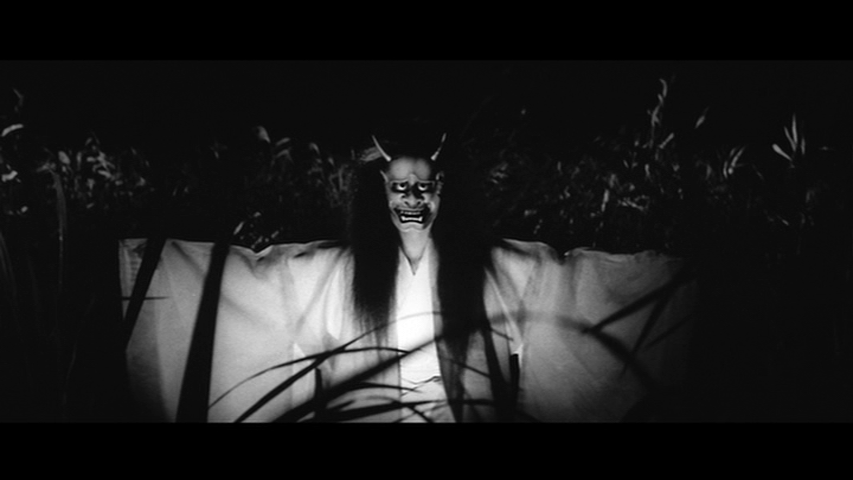
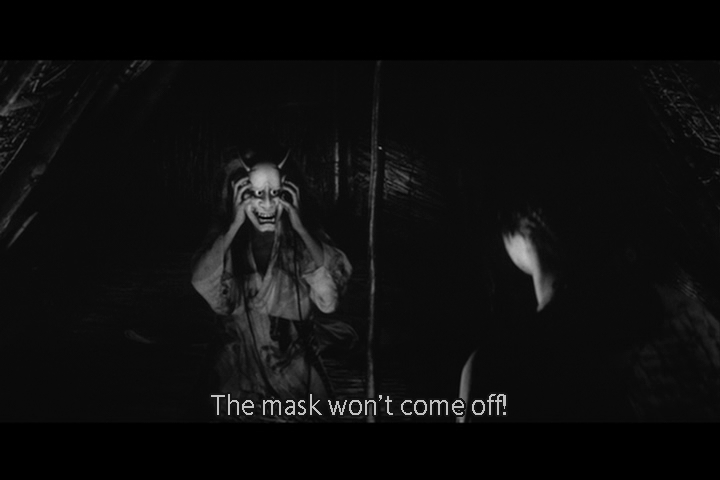
The punctuation of all this is the truly horrifying climax of the film, with the older woman (Nobuko Otowa) putting on a demonic mask that then she can’t get off, a marker of who she has become, a demon herself, one of those poetic justice endings that speak volumes about the “face” of immorality, her now demonic face registering the “return of the repressed” for all such figures who choose immorality over their humanity.

(52) Alien Earth (Television Series, 2025, Noah Hawley)
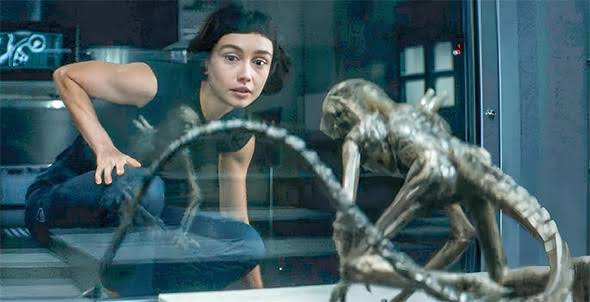
I must confess that I was so surprised by how much I liked this series. Though of course I am among the many who have enjoyed the first four Alien franchise films (yes, even the fourth one, a film I consider to be underrated), I also had become tired of the franchise in ensuing films, films that either seemed just more of the same or didn’t really go in an interesting direction. That’s why I was so skeptical of this new incarnation of the franchise, and I would have probably just skipped it had it not gotten such high praise, from both critics and fans alike. What I found so refreshing about the series was how it added some genuinely interesting new elements, perhaps even making the alien creatures (xenomorphs) secondary, at least in terms of the whole artificial intelligence thread in the series. But what won me over even more were the deep elements in the show.
For one thing, the series gives us a deeply disturbing dystopian future, one where oligarchic corporations run the planet. This bleak future both speaks to the direction our real reality is headed and acts as an allegory for what we are experiencing right now in our present time, especially in terms of how “Big Tech” is becoming so obscenely wealthy and powerful. Second, and most pressingly, the series gets at what this much power and wealth can wrought. For one thing, it can create being, the three big tech/corporations competing for what form being will evolve, Synthetics, Cyborgs, or Hybrids. But what is so disturbing, is that in creating its own beings, they also own it, shifting from humans who have at least some pretense of sovereignty to artificial intelligent beings who have none at all. That too can be an allegory for our present time, how people are more and more being born into a reality where they are more and more molded to the design of “Big Tech” and other moneyed interests.
The series also explores other deep elements including using sentient extraterrestrial life forms against their will (apparently these corporations desire to weaponize the extraterrestrials they have brought back to Earth), the real dangers of artificial intelligence (one of the Hybrids seems to go crazy and kills) though, also, interestingly enough, the potential for these artificial beings to be better than humans, which in itself is just too fascinating to think about, how we as spectators might actually desire them to take over, perhaps on some level spectators seeing humanity as a dead end.
Lots more to unpack with this interesting series, but I’ll leave it at that for now.
(51) La Llorona (2020, Jayro Bustamante)
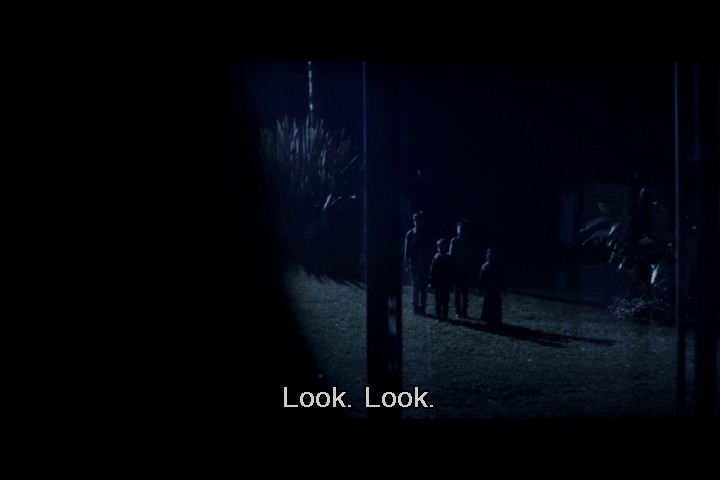
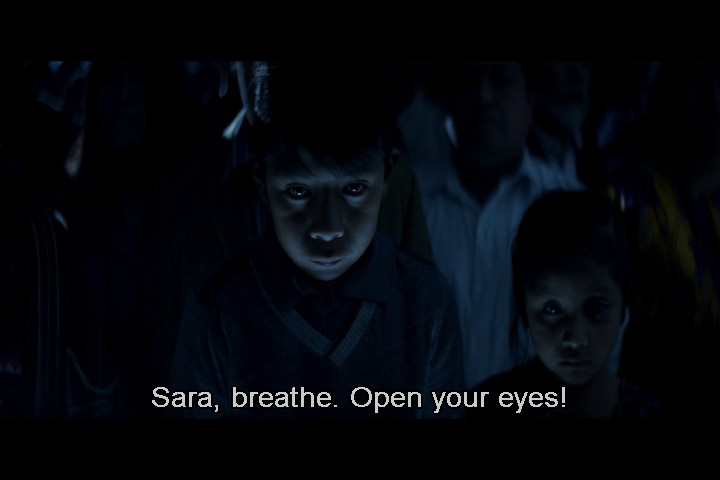
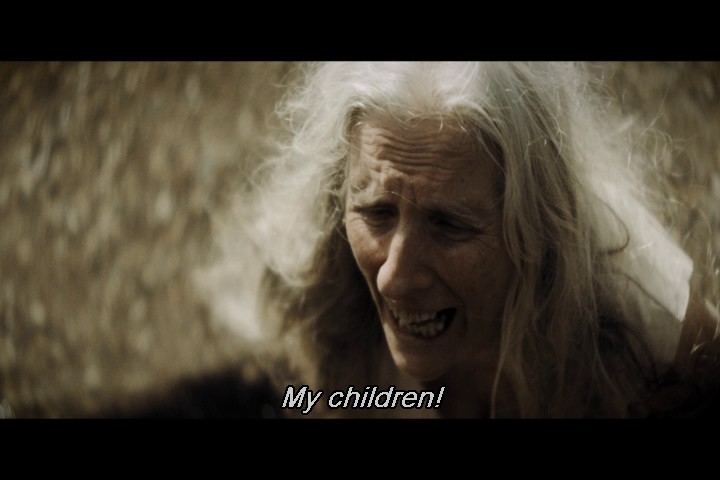
For me, the Guatemala horror film La Lorona is lacking in some regards — I didn’t think it used its horror elements that well (it really felt like a straightforward drama for a lot of the film), at least until the ending moments, and there were threads in the film that felt a little underdeveloped, e.g., the curious relationship between Sara (Ayla-Elea Hurtado) and Alma (María Mercedes Coroy) and the mysterious disappearance of Natalia’s husband — but overall, the film is just so profoundly interrogating, using both conventional drama and horror tropes to reflect on and comment on genocide, in the case of this film, the genocide of Mayan people (1981-1983) in Guatemala. In this context, the film sets up this interrogation in terms of the law (the allegorized fictional general/Julio Diaz is first found guilty of crimes against humanity and then acquitted), in terms of the people themselves (creating their own way of ironically imprisoning the general and his family in their excessive mansion), and in terms of a ghost (the titular “La Llorona”) who becomes the actual effecting activist that enacts accountability for the general and his wife.
It is this latter thread where the film truly comes into power, both in terms of the more subtle and organic Natalia (Sabrina De La Hoz) beginning to realize the true horror of her monstrous father and in terms of how Alma/La Lorona becomes the instrument that forces the wife of the general, Carmen (Margarita Kenéfic), to actually inhabit the truly unfathomable, horrific experiences of Alma, a way for Carmen to confront the shattering truth of being married to a monster. In this way, the film does something so profound, force all of us to put ourselves in the place of all oppressed Others. That Carmen also becomes the instrument of her genocidal husband’s death — presumably the instrument of Alma/La Lorona — deepens this accountability, for it means that Carmen has finally realized who her relation really should be with, not her wealthy and powerful and non-indigenous husband but rather the women who were especially oppressed and victimized by such heinous men. In this way, the film uses its “ghosts” trope not for scares but for something deeper and more profound, as a way to both empower victimized Others and create the “haunting” of any crimes against humanity atrocities inflicted on Others. For that alone, I appreciate the film so much.
For a more detailed analysis of the film, check out Francisco Goldman‘s essay “La Llorona: Turning Horror into Light.”
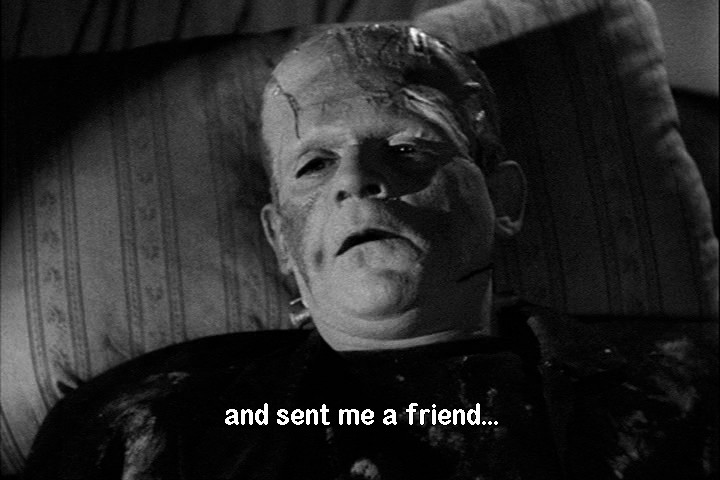
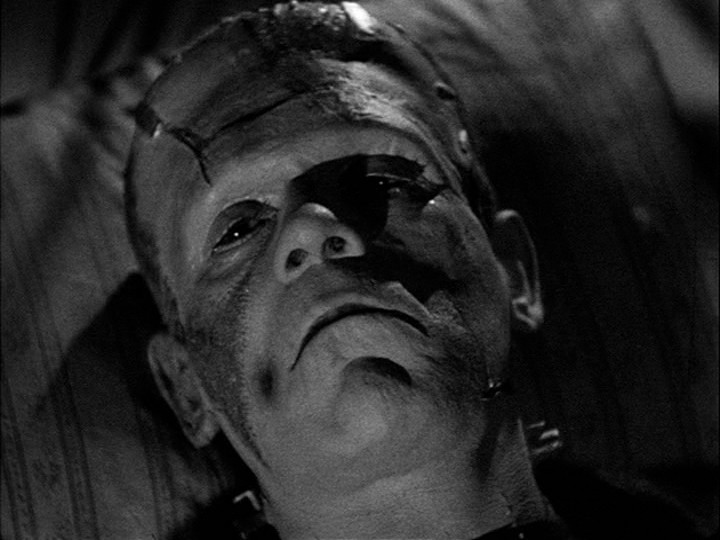
(50) The Bride of Frankenstein (Frankenstein) (1935, James Whale)
I tend to think of these two incredibly important science fiction-horror films, Frankenstein and The Bride of Frankenstein, as one film. While I understand that Frankenstein is enormously influential, it has always felt to me more of a precursor for the deeper and more interesting Bride of Frankenstein, though of course that scene when the “monster” throws the little girl in a lake and drowns her (in Frankenstein) continues to resonate and make what comes later in Bride more complicated.
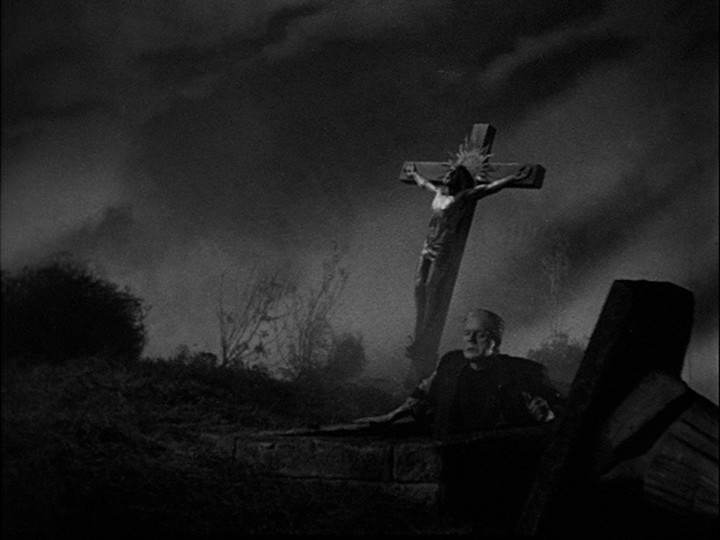
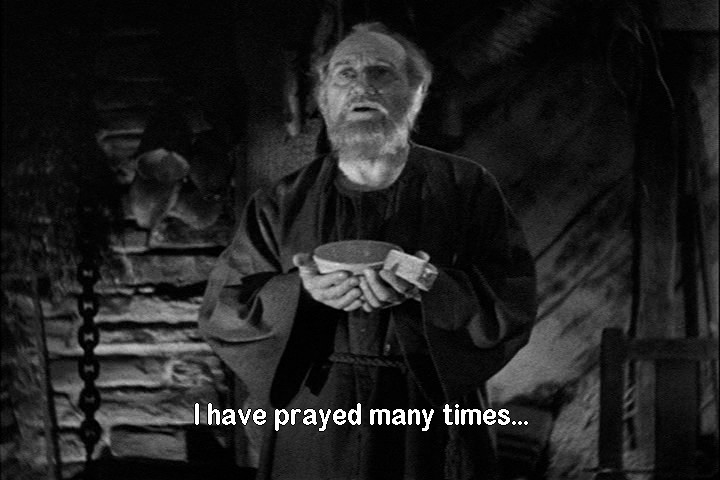
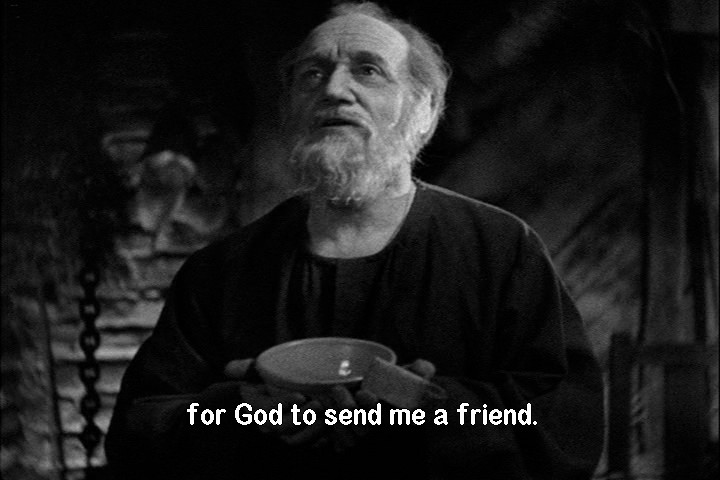
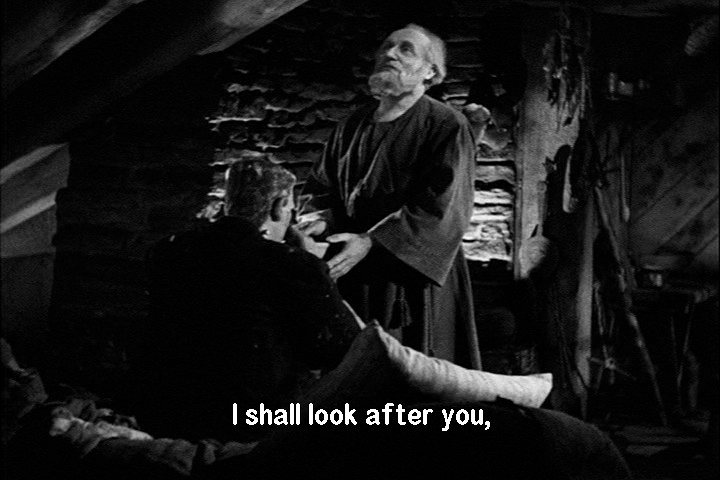
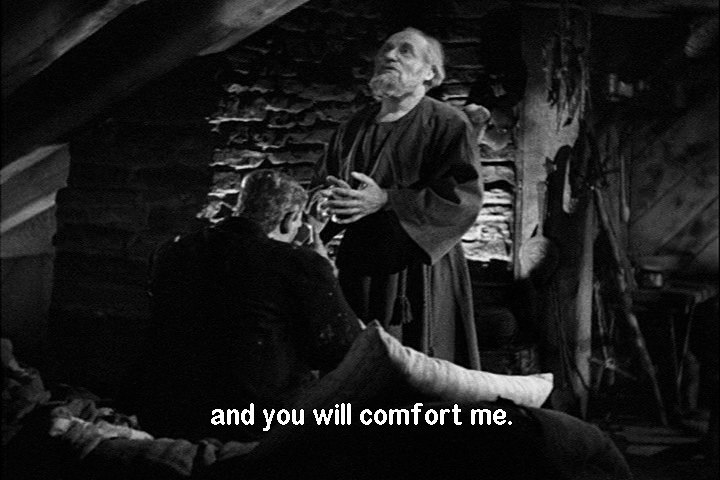
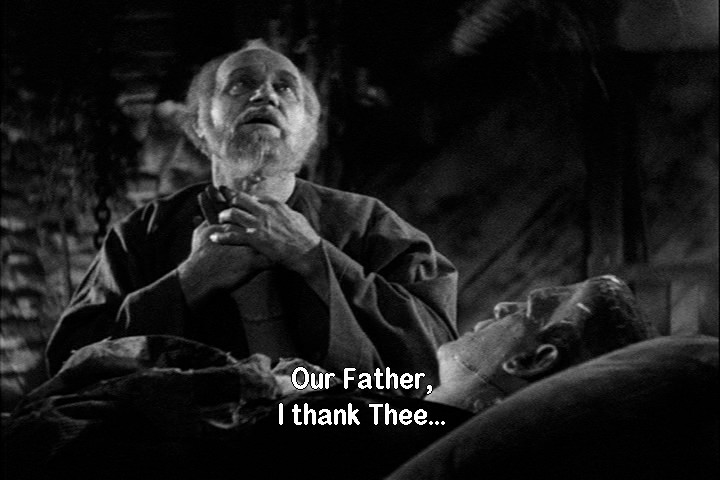
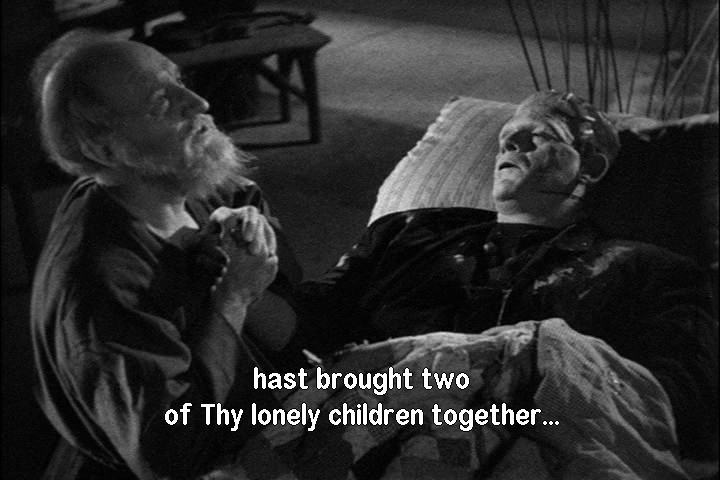
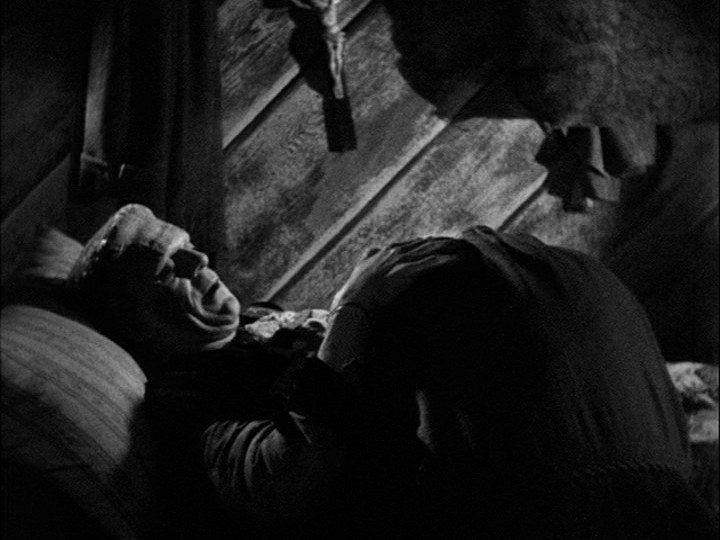
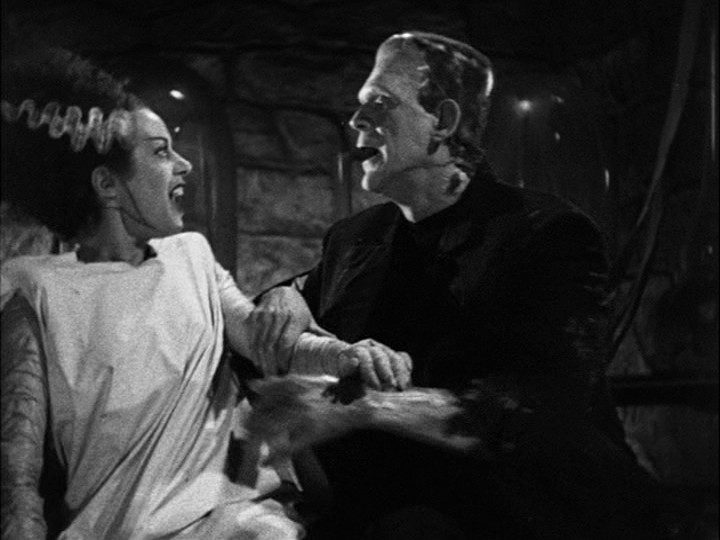
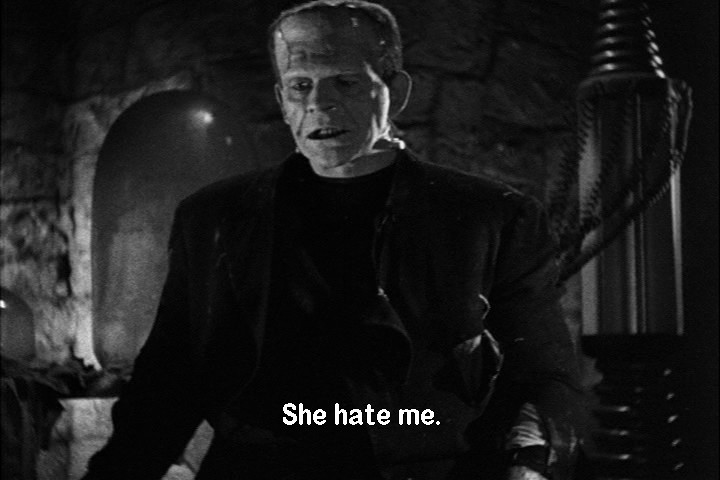
The other thing I just want to mention is that while I think Bride is an exceptional film, I must touch on how whenever I watch the film, I find the comedic elements in the film so annoying! For me, the weak parts of the film don’t negate what is so deep and complex about the genuinely profound moments in the film. More specifically, the remarkable thing about The Bride of Frankenstein is how well it turns horror into tragedy, gets at the pain and suffering of Othering. Through no fault of his own, the “monster” (Boris Karloff, so good as the “creature”) is created in a monstrous way, his visage, guttural growls, and misguided killings (at least the little girl in Frankenstein) marking him as a “monster” or Other that needs to be persecuted and/or destroyed. The sequence in the film that best gets at this is the famous, remarkable blind Hermit (O.P. Heggie) scene and what comes after. In the blind Hermit scene, we see the potential for what could be, the Hermit not “seeing” a “monster” but rather a (potentially) gentle soul who just needs unconditional love and understanding.
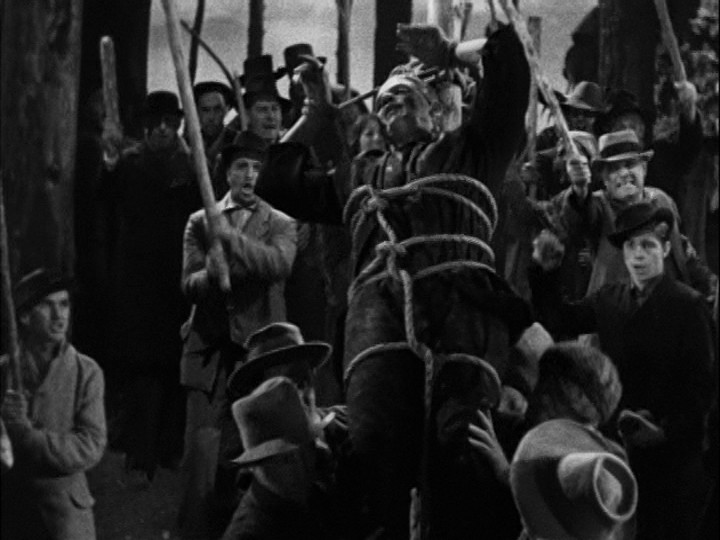
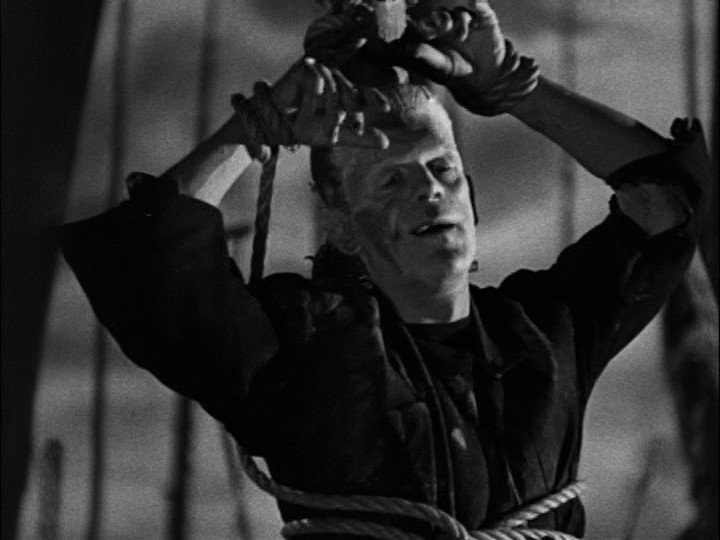
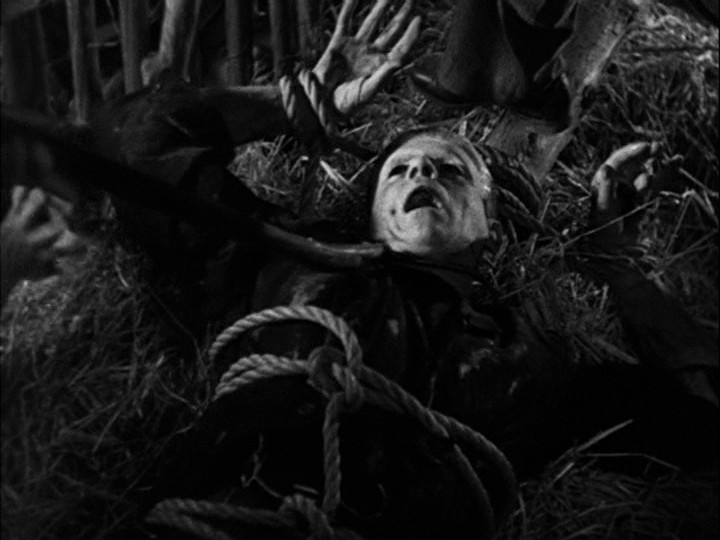
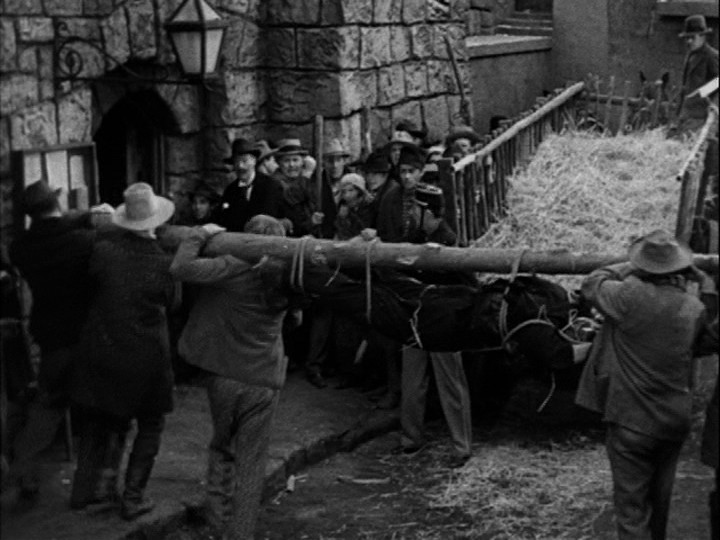
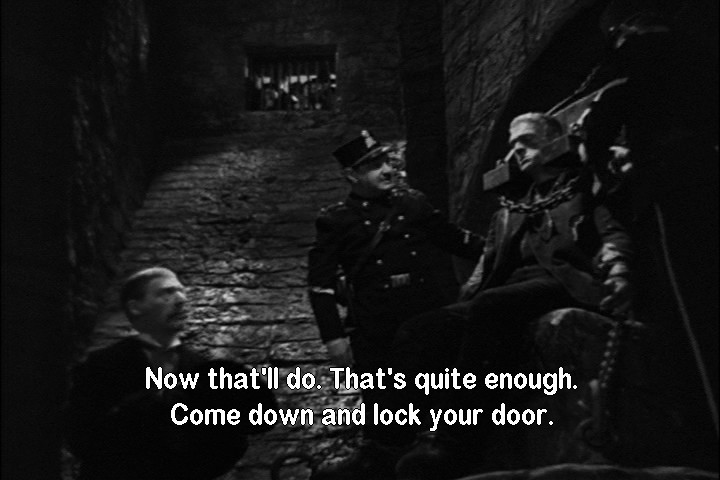
In an early sequence, when the villagers catch up to the “monster,” the film had already created an enormous amount of pathos for what we come to see as not a “monster” but rather a poor pathetic soul who never had a chance in the world. In this scene, the villagers-mob torment and torture the “monster.” Most pointedly, at one point, they put him on a skewer like an animal, a comment on his Otherness, the “monster” now taking on allegorical power, the way that the dominant social order treats those that fall outside the norms of society, seen as low, inferior, animalistic, dehumanized, disposable objects. Of course, as has been well documented, that director James Whale was LGBTQ suggests why he created a tormented, oppressed Other, all Others being able to relate to the “monster” — and LGBTQ individuals were seen as “monstrous” during this time period.
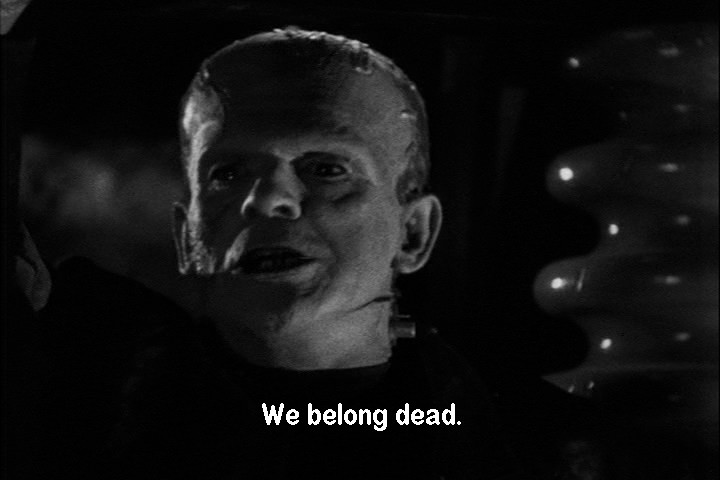
The ending of the film further stresses just how tragic the “monster” is, as his one hope for a companion — the titular “bride” (Elsa Lanchester)– rejects him and he sums up his tragic state of being with his final poignant words: “…we belong dead.”
(49) The Stepfather (1987, Joseph Ruben)
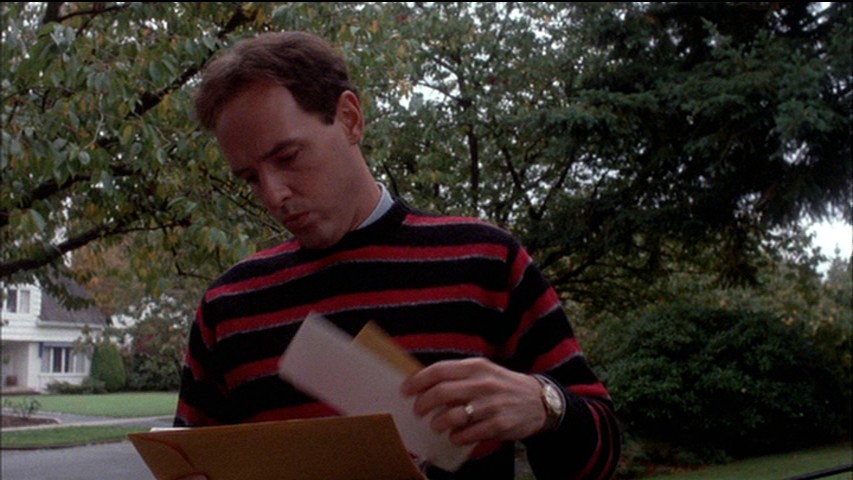
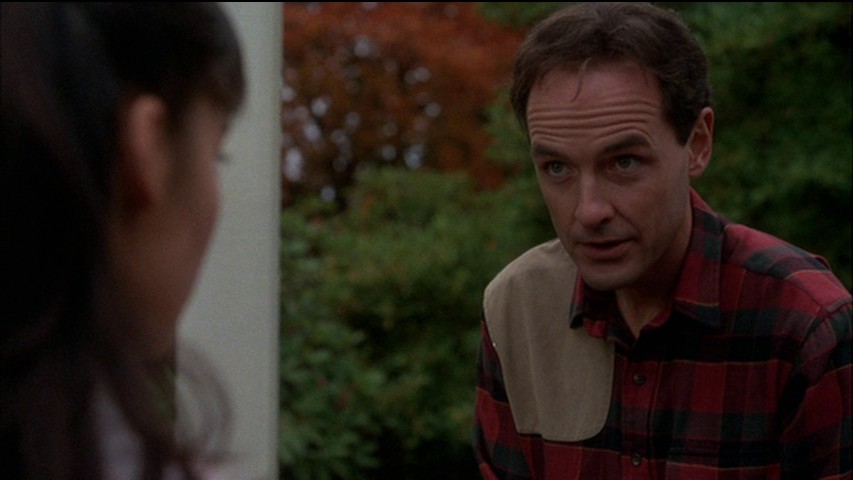
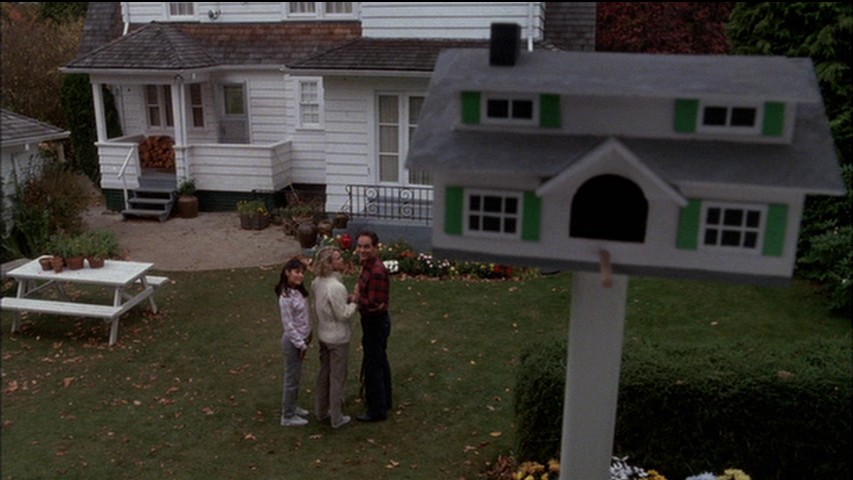
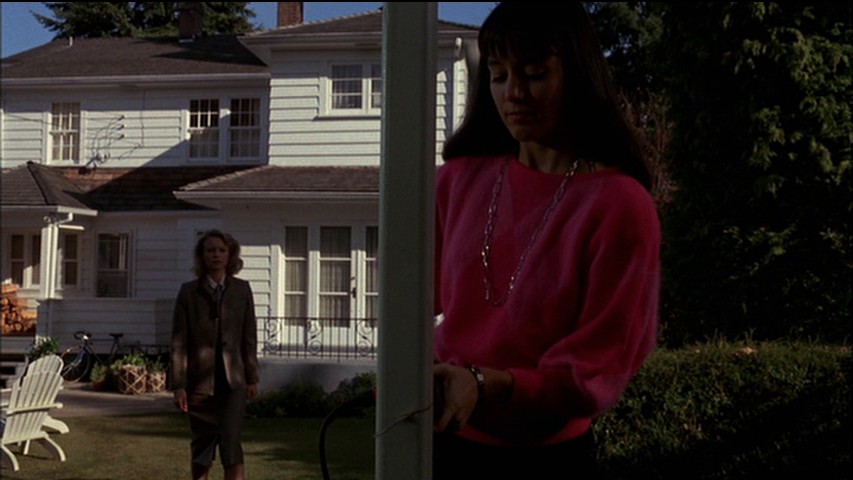
Setting aside the ridiculously gross gratuitous nude scene at the end of the film (so 1980s horror!), The Stepfather is a very interesting and deep horror film. Some people have called this film a satire, a satirical skewering of the whole conservative (Christian) “family values” that was so permeating during the 1980s. I don’t know if I would go that far (satire has specific tropes that I don’t think are in this film), but the film is definitely doing just that, offering up a scathing allegorical commentary on (Christian) “family values,” the traditional nuclear family, and patriarchy.
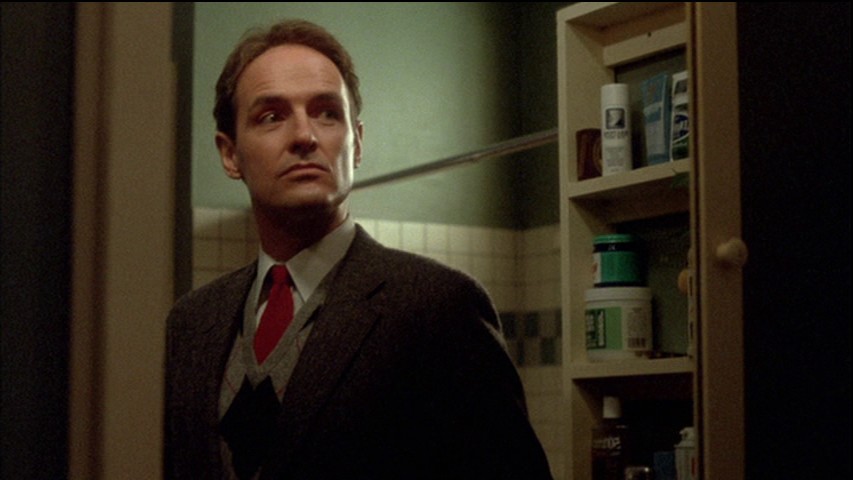
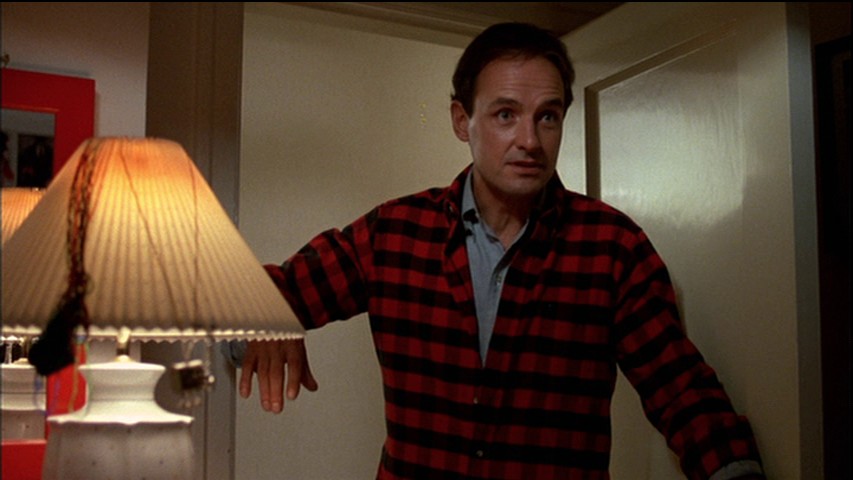
This commentary all stems from the premise of the film, the titular “stepfather” (called “Jerry” for most of the film, but I don’t think we ever discover his true identity, part of the point of the film, more on this in a moment) obsessed with having a traditional “nuclear family,” which of course includes him as traditional patriarch, “head of the household.”
Though I don’t think Christianity is ever actually mentioned in the film, the extreme focus on a nuclear family, patriarchy, and “family values” (the 1980s was when “family values” became a very loud cultural meme) very much makes Christianity an “absent cause” in the film. More particularly, “Jerry” (Terry O’Quinn) is psychopathically obsessed with having a nuclear family, which also suggests Christianity as an “absent cause,” since the nuclear family is considered divinely ordained. Further, his displays of “order”/control and desired adulation stress that at least part of this obsession is with him being a traditional (Christian) patriarch.
Where the film really goes deep is in making “Jerry” an allegorical figure, his exaggerated drive for a “nuclear family” and patriarchy reflecting how such toxic ideological norms are pathological in general, since there is nothing intrinsically “natural” about either, not to mention that such a fixation reflects how indoctrination by such toxic ideologies (fundamentalist Christianity, patriarchy, artificial “family values,” nuclear family as the oppressive norm) drives pathological behavior.
The reasons patriarchy is so toxic is because it is all about a patriarch (usually a man but not necessarily so) being all about control, power, dominance of Others, and when they aren’t obedient, punishment and other oppressive mechanisms are the main tools to bring them (back) into line.
We see this from “Jerry” in many ways, largely through him trying to dictate reality to Others, believing his way of thinking and being the only way of thinking and being. Of course, there are specific moments when we see his true self come to the surface, which we especially see when he catches Stephanie (Jill Schoelen) kissing a boy, him flying into a rage at Stephanie not behaving like he thinks she should (premarital young girls not having sexual desires), trying to exert his will over her, control her choices and desires. We also see his true patriarchal self when he goes to his “man cave” (basement) and manically screams his desire for “order,” “order” here defined as his dogmatic need to control people’s behavior, the expectation that his wife and stepdaughter will obey him.
Of course, even his slaughter of whole families also becomes the REAL of patriarchy, the exaggerated extreme of murder – the only “order” that is available to “Jerry” when all else fails – becoming the “return of the repressed” of patriarchal norms. That is, while of course most patriarchal (or toxic masculinity) men don’t kill their family, some do kill their family and certainly domestic violence is not uncommon, violence arguably part and parcel of patriarchy, patriarchal men believing they have the right to resort to violence (and other forms of abuse) against Others who don’t adhere to their pathological need for “order” and control. Finally, I just want to mention another interesting facet of “Jerry,” the instability of his identity, which especially comes late in the film when he momentarily is confused as to who he is. Again, though his case is an exaggerated one, exaggeration can be a way to see the REAL of toxic ideologies, in this case how when one becomes wholly immersed in what one is supposed (conditioned) to be, that creates in such people a fragile and unstable identity, the need to constantly use Others in whatever way that reinforces what is both an arbitrary and unnatural identity in the first place.

(48) Island of Lost Souls (1932, Erle C. Kenton)
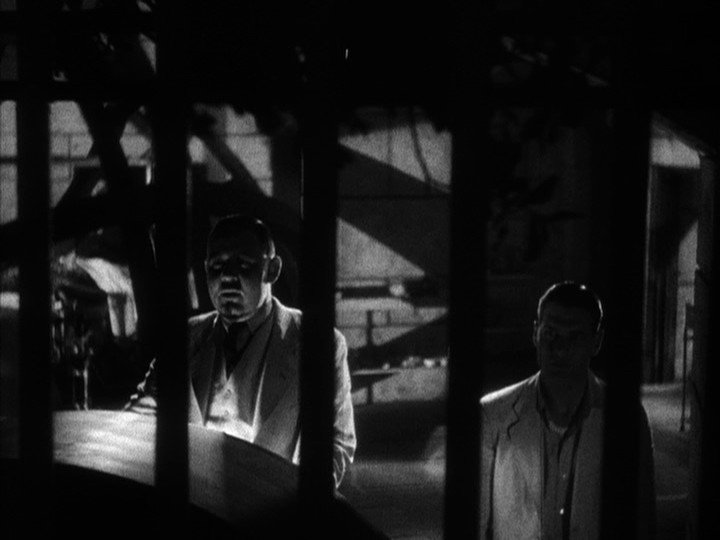
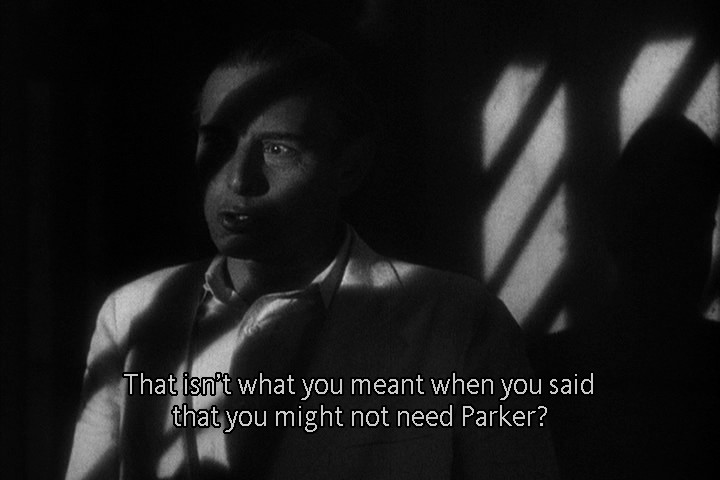
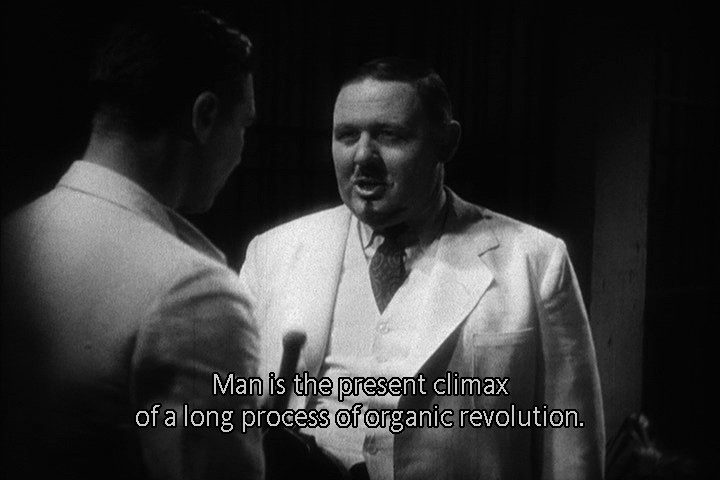
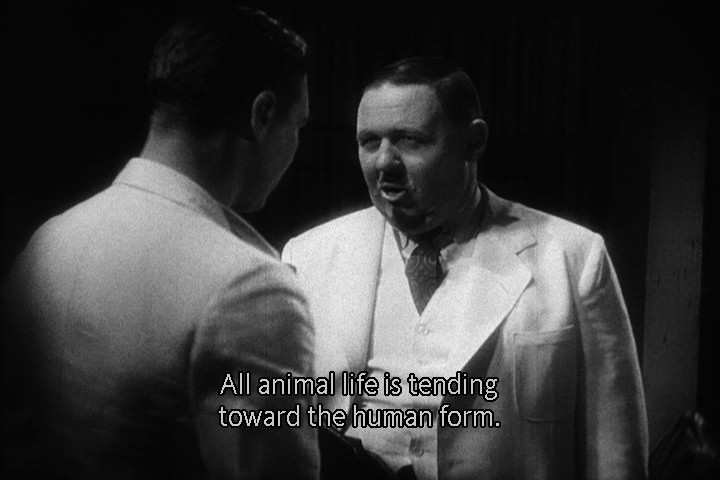
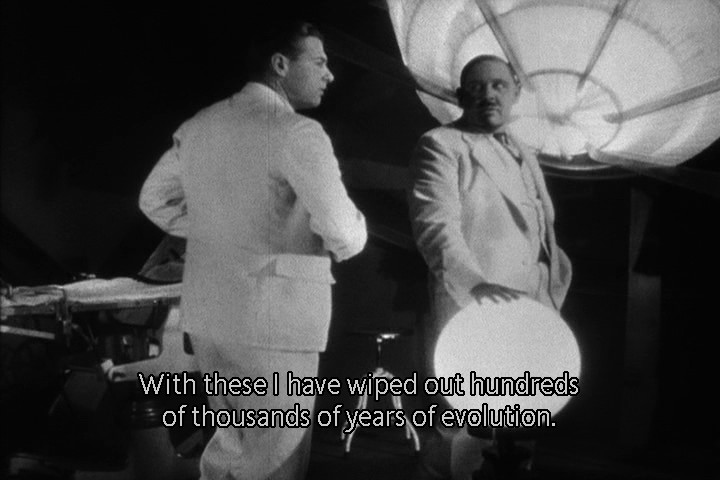
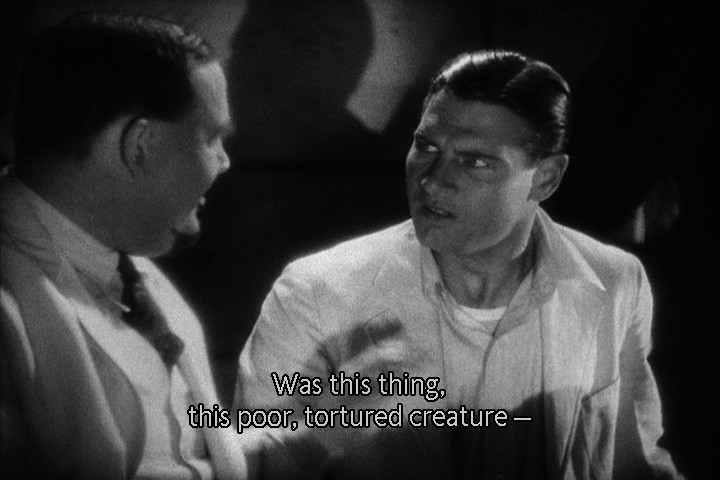
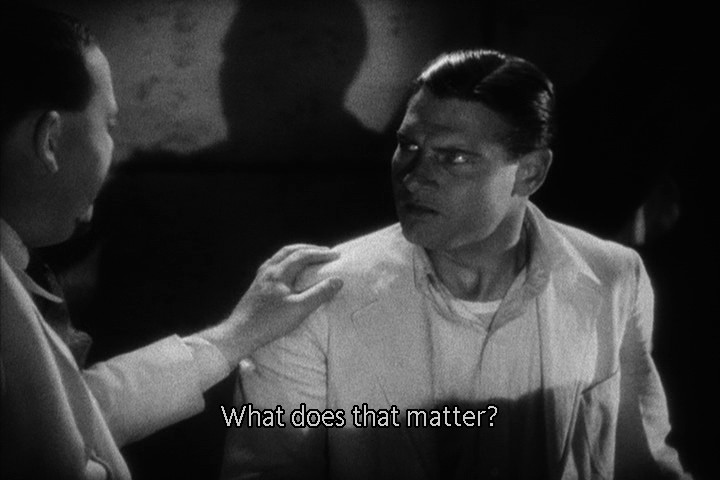
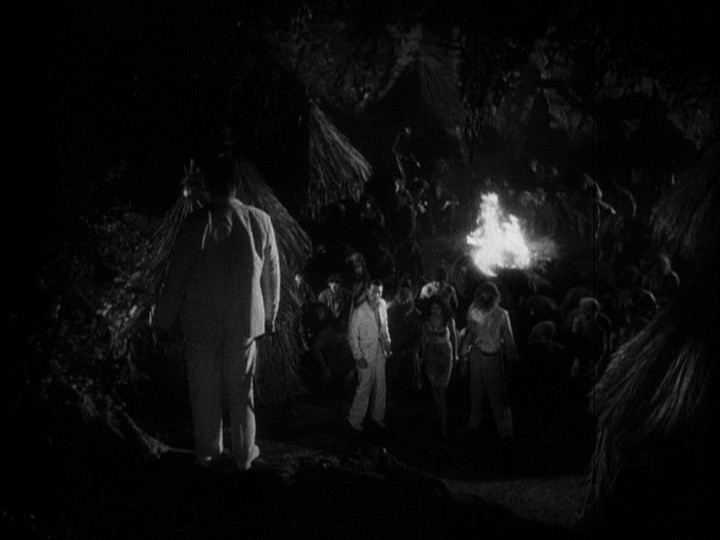
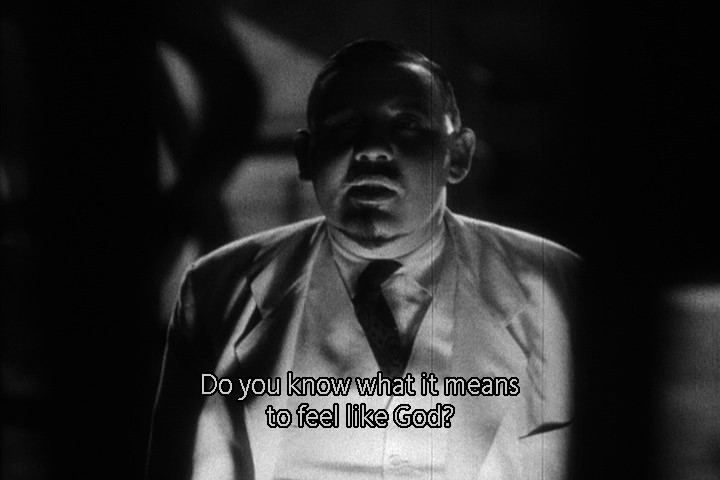
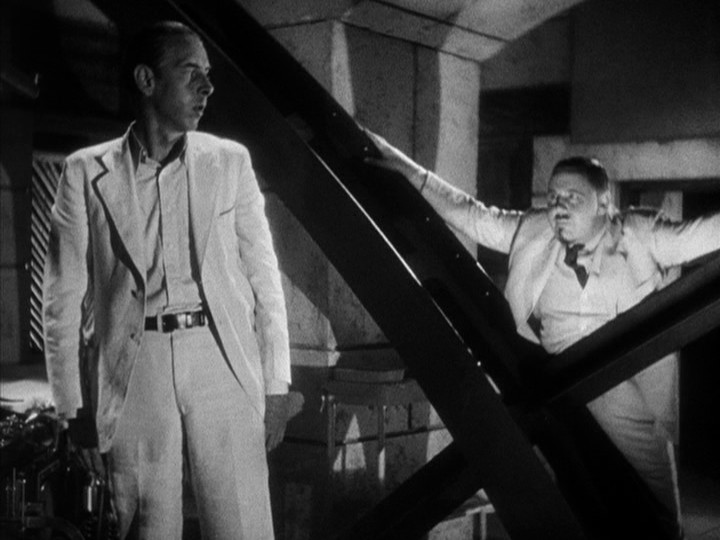
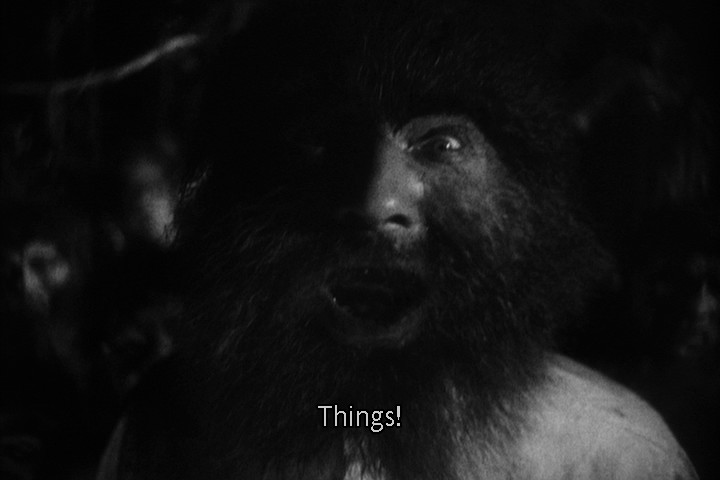
This film is truly remarkable. When I watched it for the first time not long ago, I wasn’t expecting much, but to my surprise, this film was wildly more radical than I could have ever anticipated. Most prominently, the film evokes white supremacy and the “white man’s burden” colonialism going on at the time that the film was made (and the novel was written). There is a way to read this film in a racist way, e.g., the creators of the film perpetuating the stereotype of seeing indigenous people as innately more primitive and primal, carnal, more “animalistic.” But I prefer to read the film in a more progressive way, the turning animals-into-humans becoming a way to read them allegorically, the metaphor of them being seen by their white colonialists/supremacists oppressors as lower life forms, animalistic. In this context, Dr. Moreau (Charles Laughton) is just such an allegorical character, representing white colonialism that enslaved, oppressed, tortured, and degraded indigenous human beings (called “natives” in the film) in every way possible.
In this context, what’s also so interesting about this human/animal binary in the film is that it becomes the “master” white elite, Dr. Moreau, who comes off as the “animal,” not the animal people. And, again, because Moreau is an allegorical (white colonialist) character, because of this stress on how de-evolved Moreau is, the film radically inverts this norm of seeing Eurocentric (white) people as more “civilized,” forcing us to see just how primitive white colonialism/supremacism is.
Even more provocative, the film boldly collapses the human/animal binary, stressing how though we like to think of ourselves as above the animal world, we are still a part of it, we are still animals. Of course, we are more evolved than our fellow animals — or at least ostensibly this is the case though so many of humanity’s actions make me think otherwise at times (!) — but I think it is just so important to remind us that just because we are more advanced than other species doesn’t mean we should think ourselves as above and disconnected from other species. That way of thinking is dangerous because it means we think we can do whatever we please with our fellow animals and more than that not worry about the repercussions of thinking us not dependent on the rest of the natural world for our very existence. Even more radical, especially for the time this film was made though even now, is the film’s overt stress on evolution, part of what got this film in so much trouble!
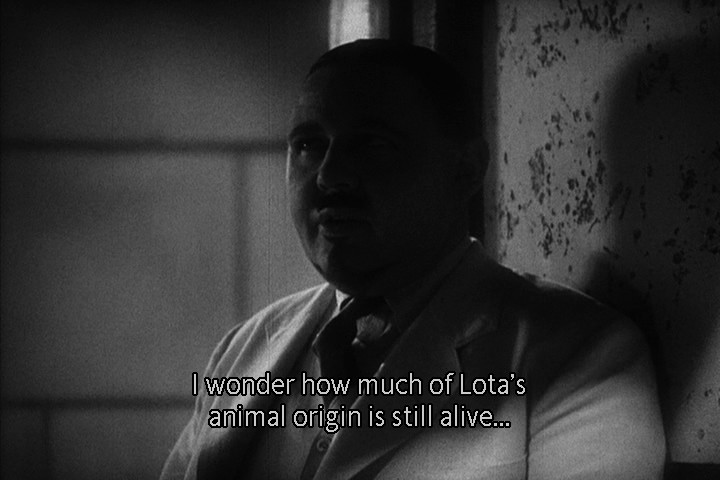
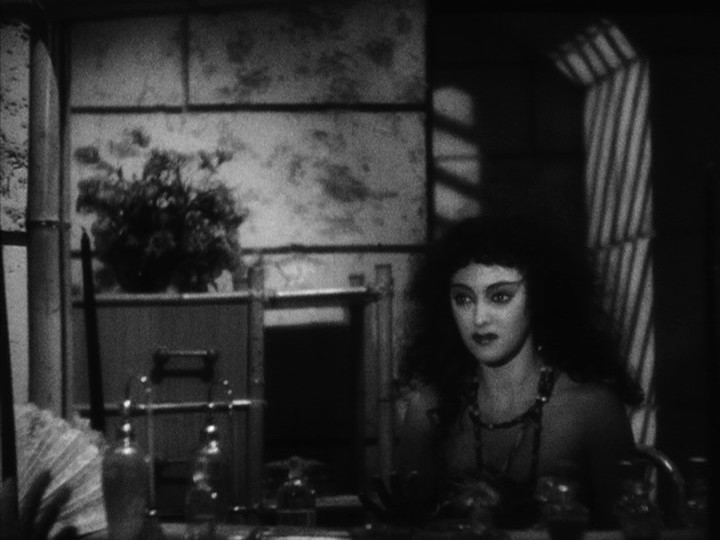
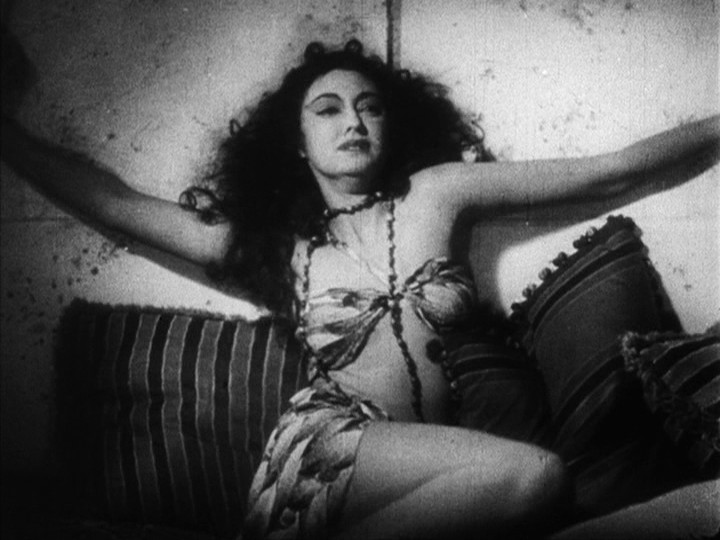
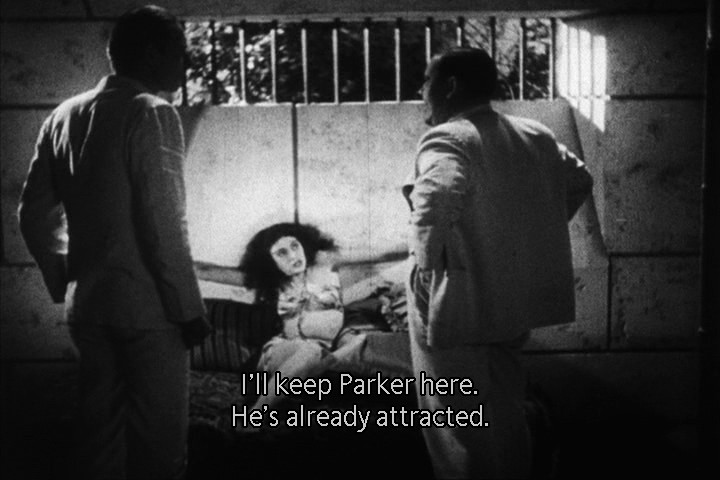
We also get another radical element in the film, how we like to make women somehow not part of this animal sensibility, instead making them the antithesis of animalism, as if they are not capable of that which the animal side of ourselves empowers us, the ferocity, the fierceness, the sexuality, the strength and power, etc. of that which we have historically attributed to masculinity. In this film, we get a woman animal-character, Lota “The Panther Woman (Kathleen Burke), who embodies what women could and should be, having all the same attributes of men, since we are all part of the animal kingdom. When Lota exudes her (overt) sexual desire and then attacks and kills Ouran (Hans Steinke), we see in this early moment, a kind of “return of the repressed” for women, what they can and should be, realizing their species potential, long denied them by toxic masculinity ideologies (patriarchy, phallocentrism, hypermasculinity, sexist gender/sex norms) and fundamentalist (patriarchal) religions.
(47) Carrie (1976, Brian De Palma)
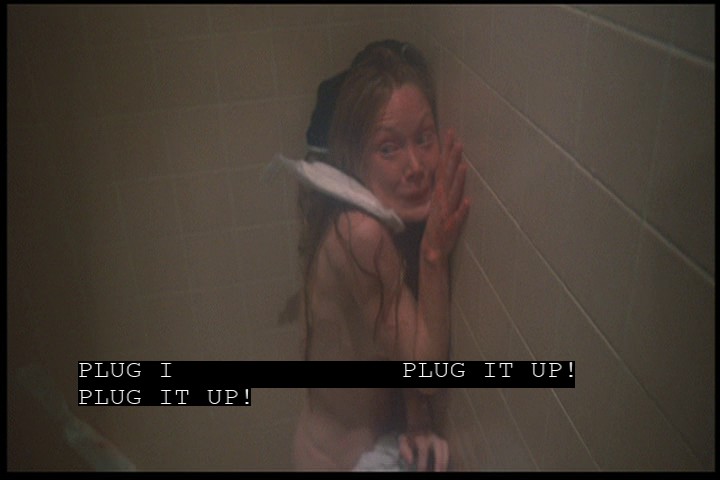
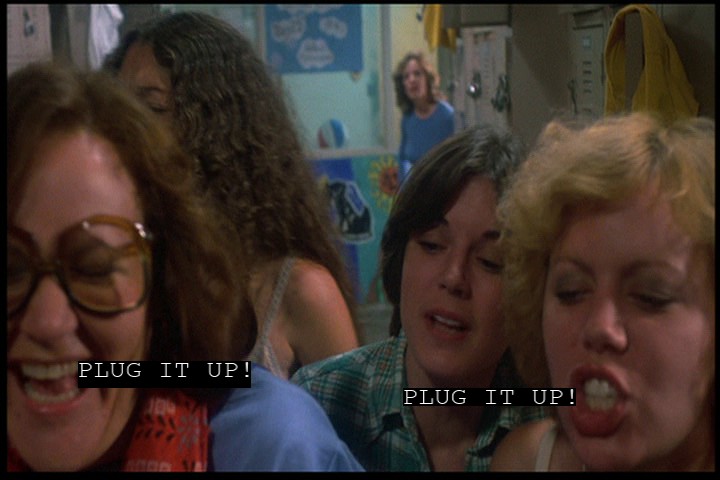
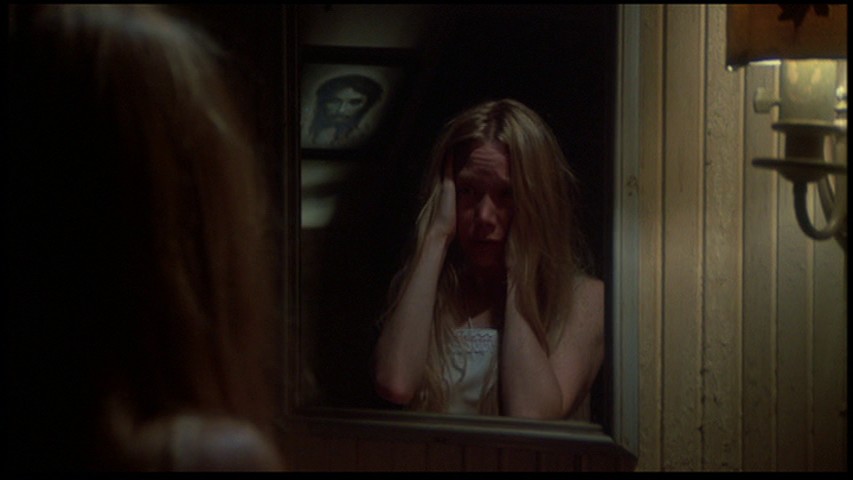
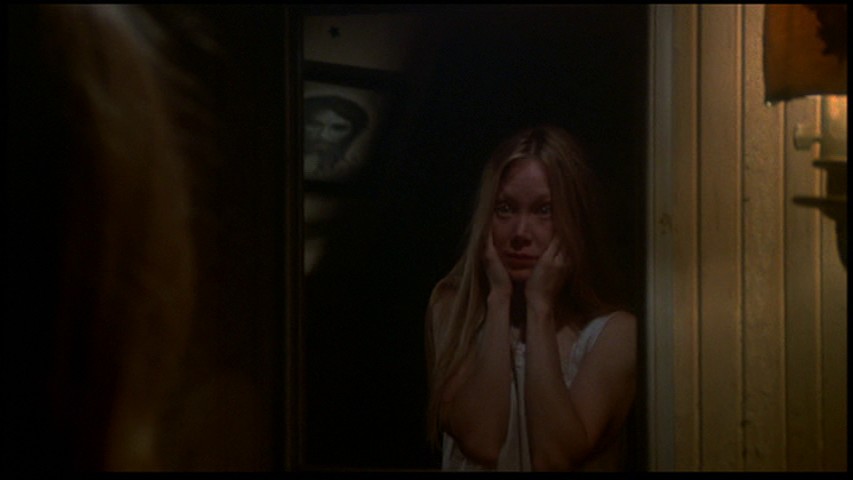
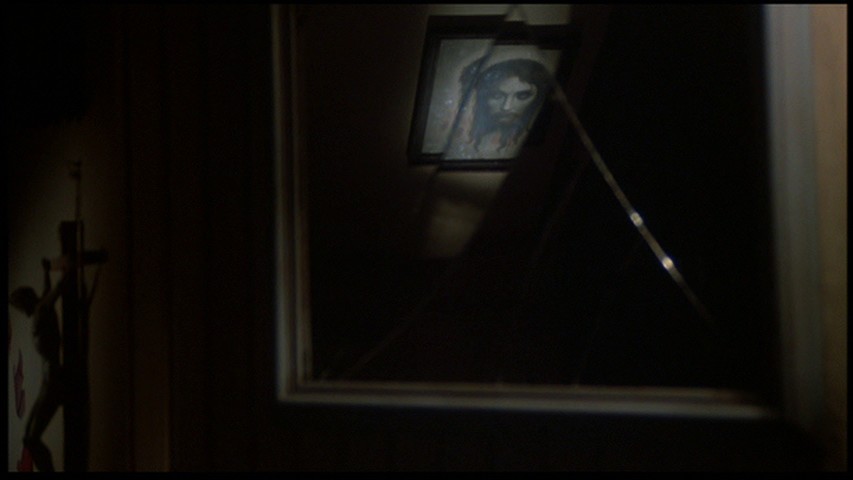
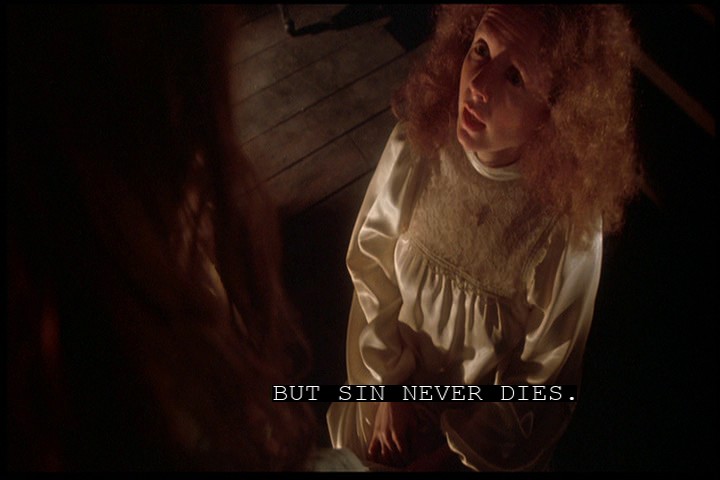
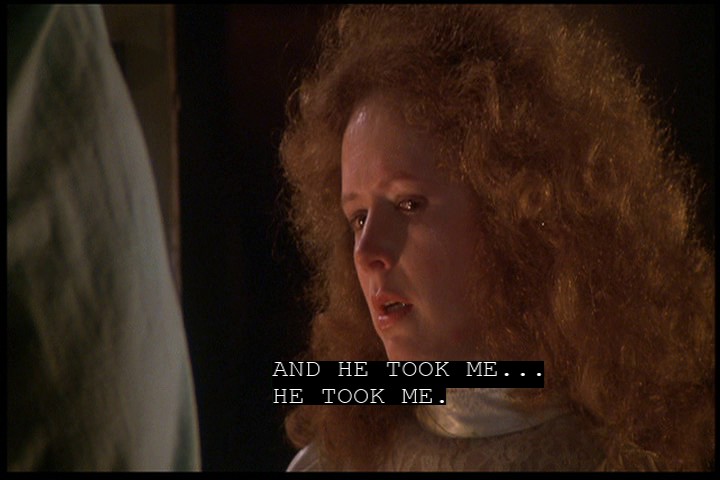
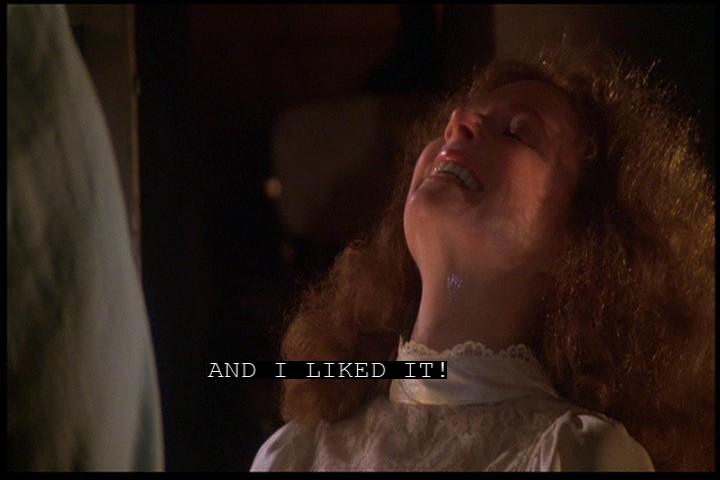
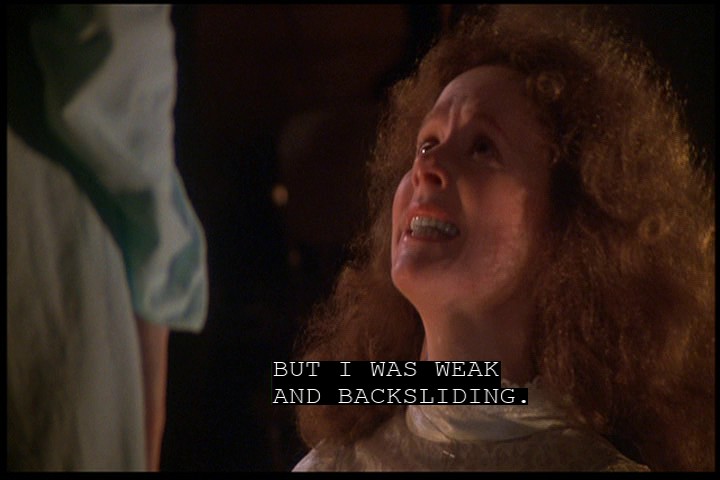
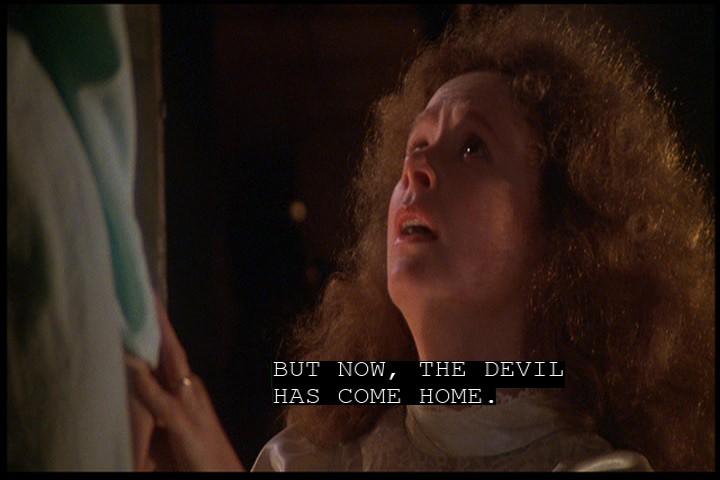
The deepness of this seminal film stems from two facets, the truly destructive power of religion/Christianity and how the dominant social order Others and persecutes those who are “different.” With the character of Carrie (Sissy Spacek), the film gives us so much that is endemic in our society. More pointedly, by suturing us into her story, we get the opportunity to do something we can’t do in the real world, see what is behind Carrie’s differentness, her horrible abuse by her orthodox Christian mother (Piper Laurie). In this way, the horrendous bullying by her classmates becomes all the more disturbing, a bullying that can only not only further traumatize Carrie but exacerbate her dysfunctional way of thinking and being. That the film gives us a snapshot of what is possible, the unconditional acceptance of her differentness, makes what happens at the end more of a tragedy than the typical nightmare/horror ending. The bullies trigger Carrie’s telekinetic power, leading her to lash out, reflecting the deep seated history of her being traumatically Othered and abused, both by her classmates and her abusive mother. Carrie’s (self) destructive act, then, allegorically speaks to the concrete repercussions that can happen when people are pushed too far, traumatized so deeply that they literally lose their minds. That the film villainizes the Christian mother is interesting, Carrie perhaps being one of the first films to truly reveal the damage orthodox (fundamentalist) Christianity can do to people, infecting cognition with unnatural suppression/repression of natural desires/selves, a kind of oppression of self.
(46) A Girl Walks Home Alone at Night (2014, Ana Lily Amirpour)
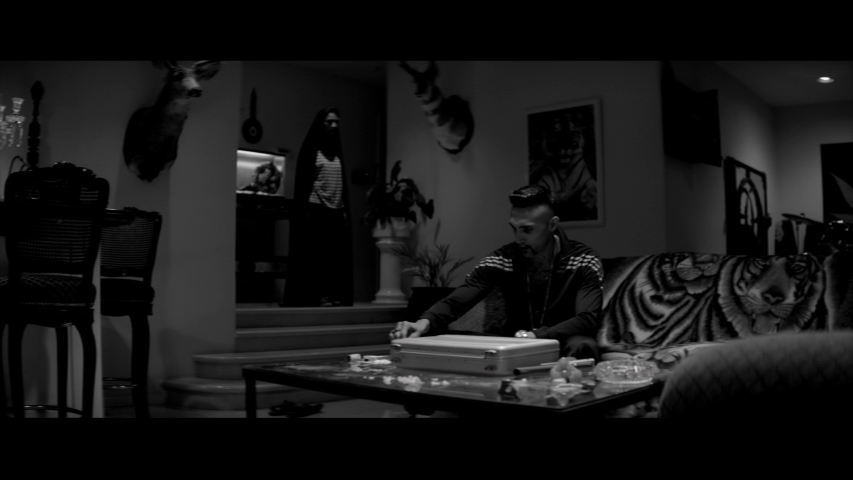
This wonderfully atmospheric, gorgeously photographed, and cogently symbolic vampire film immediately shot into my favorites horror list. But its visual splendor isn’t the only thing that makes this film sublime. Amirpour offers us a wonderfully subversive film as well, especially as she re-codes the (arguably!) oppressive signification of the hijab, suggesting the latent power of women within this patriarchal symbol. That isn’t the only marker of patriarchal oppression. Amirpour doesn’t only give us a wish-fulfillment narrative – of a woman who can both “walk home alone at night” and do so utterly without fear or anxiety – but also a woman who acts as an avenging specter over all of patriarchy as she looms large striking down phallocentric, hypermasculine men who objectify and dehumanize women as well as offering up “scared straight” lessons to young males. Symbolically, Amirpour also offers us up even more supporting illustrations of the destructiveness of patriarchy and phallocentrism, the metaphor of the oil dirges “penetrating” the earth and “sucking” the life out of it for profit and power, emphasizing how we are in effect lost to our singular self destructive consumption lifestyles, a contrast to our vampire’s consumption appetites (e.g., predatory men!), making the men she consumes allegorical, her consumption of them being more than about consuming toxic masculinity men (not men in general as she falls in love with a man!) but about consuming – or vanquishing – what these men represent, a history of toxic masculinity ideologies and toxic masculinity oppression, objectification, violation, and dehumanization of women.
(45) In My Skin (2003, Marina de Van)
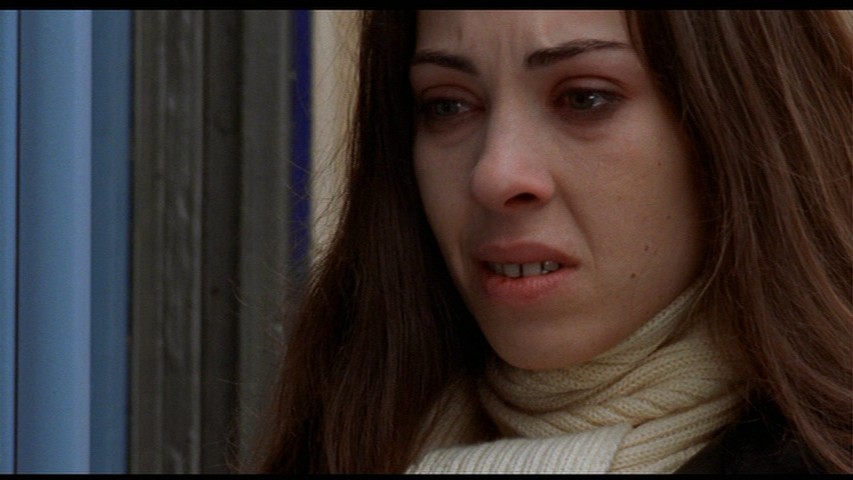
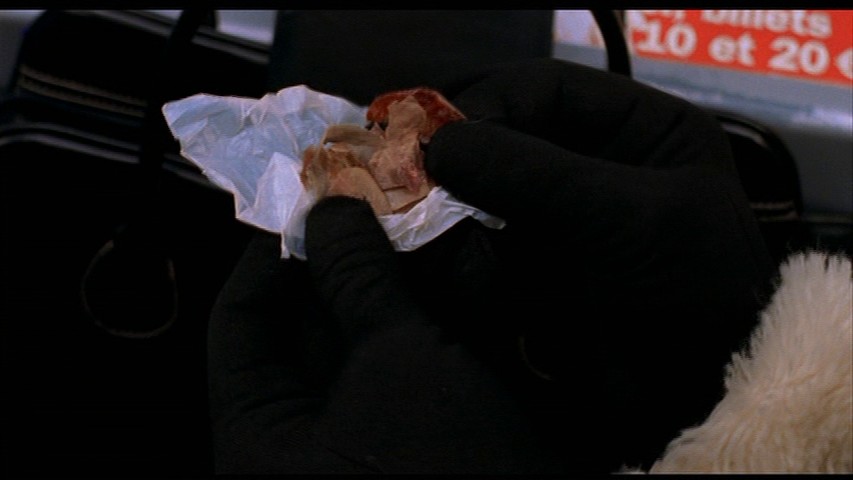
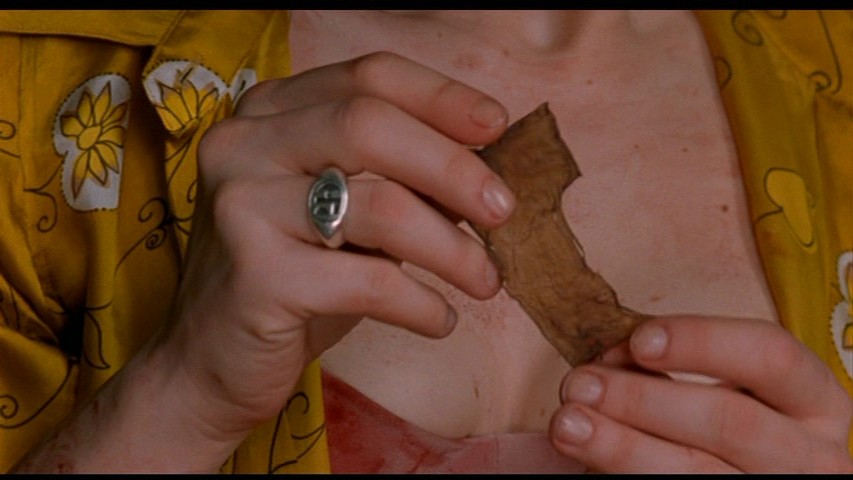
In My Skin might be the most disturbing and difficult to watch horror film on my list. When it was first released, it was grouped with the “New French Extremity” horror movement, which at first blush seems understandable, since the film is very disturbing in its body horror depiction of our main character, Esther (Marina de Van), who cuts skin off her body and ingests some of it. On the other hand, writer, director, and star of the film, Marina de Van, categorically rejects this categorization. And I can see why, since her film really is interestingly sensitive in its focus. And that’s the facet of the film that won me over despite its disturbing nature, how it is ultimately a deeply personal film that gets at what is perhaps our most sad aspect of the human condition, self-harm, how some people will unfathomably hurt themselves in some way.
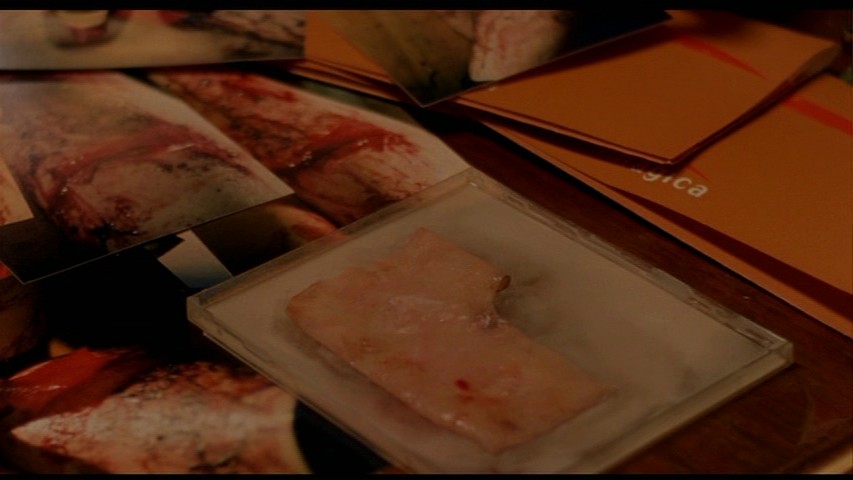
The hurting of one’s self, “self-mutilation,” usually takes the form of something like “cutting,” but de Van takes this focus a step further, to an extreme form of what is called “autocannibalism,” where people will literally ingest parts of themselves, though that usually means less severe parts of bodies such as cuticles, fingernails, and hair. In the case of this film, it means one’s own “skin,” which though rare, is another real facet of autocannibalism.
As is the case with those who self-mutilate themselves through “cutting,” Esther’s self-mutilation and autocannibalism stems from dehumanizing causes, an overbearing, self-centered boyfriend who, once he discovers her condition, makes it all about him and attempts to control her, and a corporate job that controls and dehumanizes people, the latter of which comes through in its vacuousness and its dog-eat-dog sensibility. In terms of the latter, moving up the “corporate ladder” and improving one’s life through materialist pursuits is the main goals of such an artificial (alienating, deadening) way of thinking and being.
In this context, then, Esther is the quintessential allegorical alienated figure, her lack of pain from her initial leg injury that begins this downward spiral, could be seen as reflecting her dehumanized (dead) body. The need, then, perhaps an unconscious one, is to in effect re-humanize herself, which means to regain control of herself and really feel again. In this context, the euphoria she seems to express while harming herself is about that, her strange feeling that these acts of self-harm are in effect taking her body/self back from a world that wants to reify (“thingify”) it.
In this context, I think the really disturbing and bizarre ingesting and saving her skin become clearer, the former speaking to Esther’s warped belief that ingesting herself is somehow a nourishing of the self and the latter becoming a way for Esther to hold on to these moments when she feels most human, ironically when her “control” of her self means harming herself. In terms of the ingesting observation, I think this point needs some elaboration. My sense is this is a synecdoche thing, Esther’s skin representing her self, and so, for her, her ingestion of her skin is in effect an act of ingesting her self. That is, she may be doing this behavior as a bizarre act of self-love, self-empowerment, a way of taking her (autonomous, independent) self back again.
One last thought: In terms of Julia Kresteva’s so-pertinent-to-this-film theory of abjection, the idea that that which is abject (repulsive) reflects something deeper about us as a people really comes through in this film. In this case, Esther’s self-harm reflects something deeply wrong with the symbolic order (our way of thinking and being, stemming from our deepest ideologies, e.g., capitalism, consumerism, toxic masculinity ideologies, and so on), that behavioral disorders at least in part, perhaps in large part, perhaps in some cases wholly, stem from our toxic ideological norms, which, in turn, is why we need to end them.
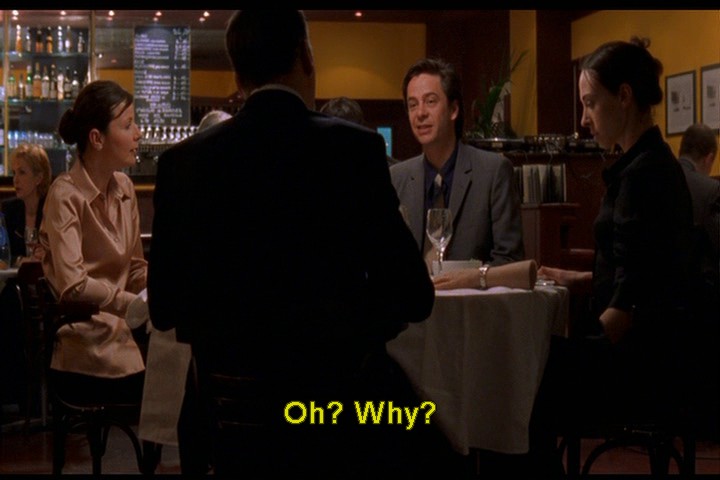
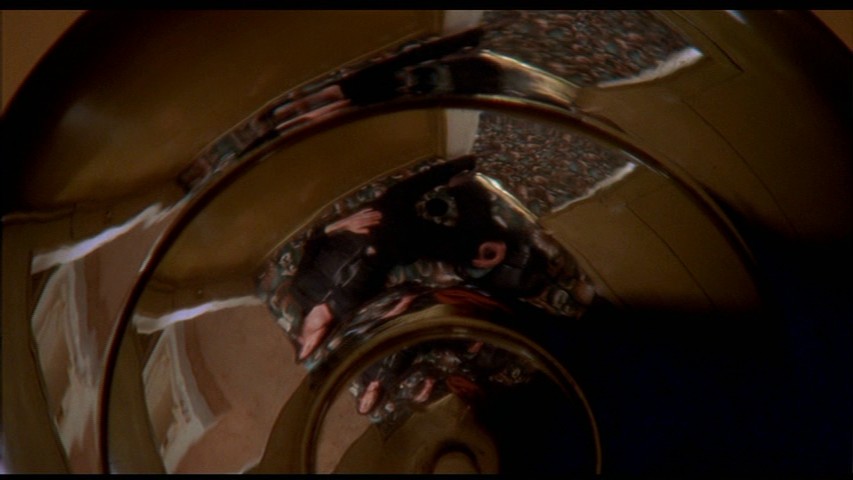
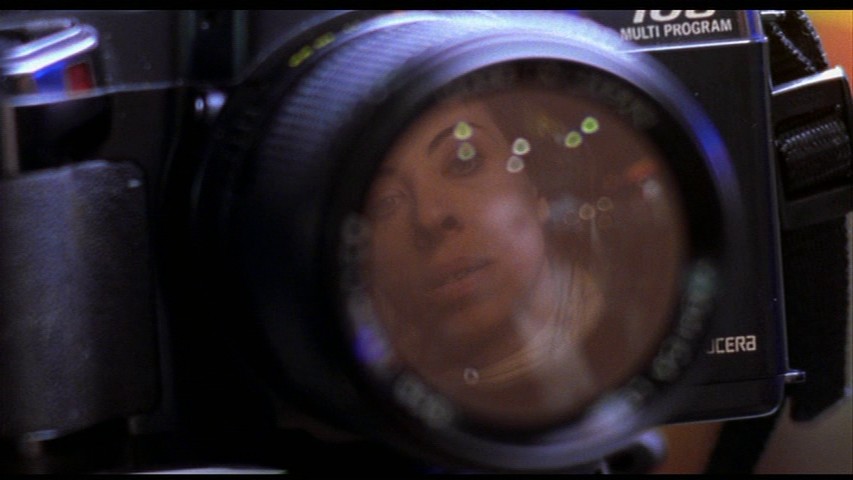
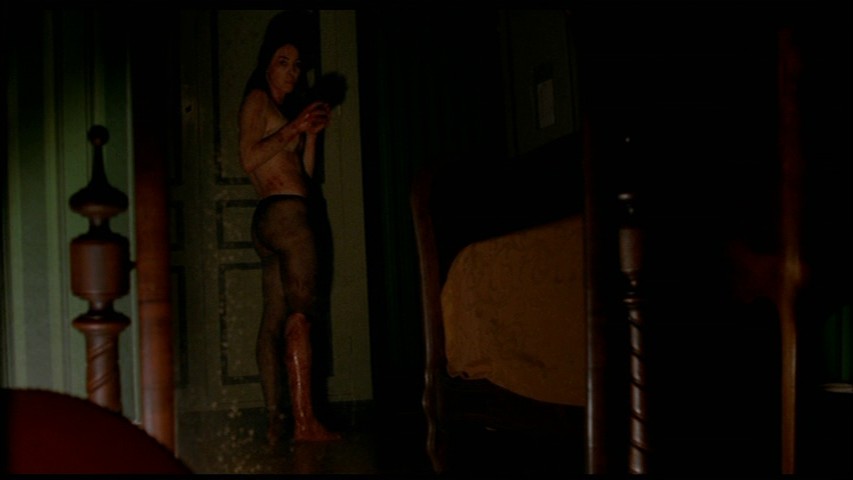




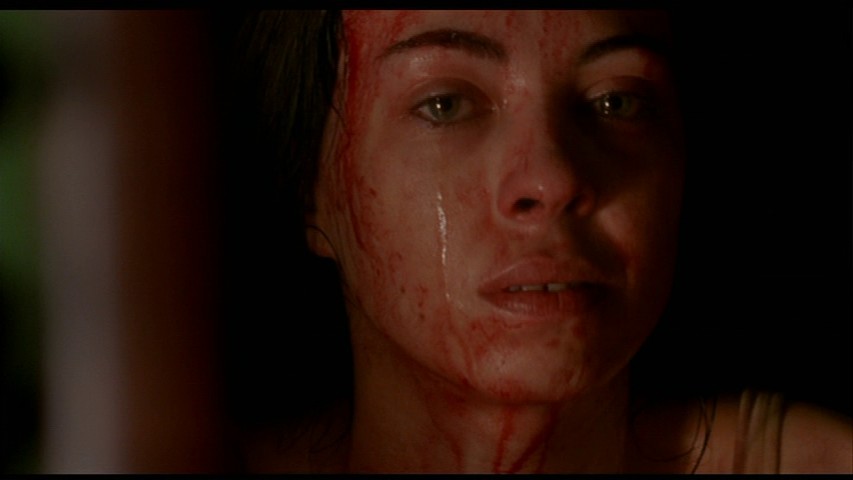
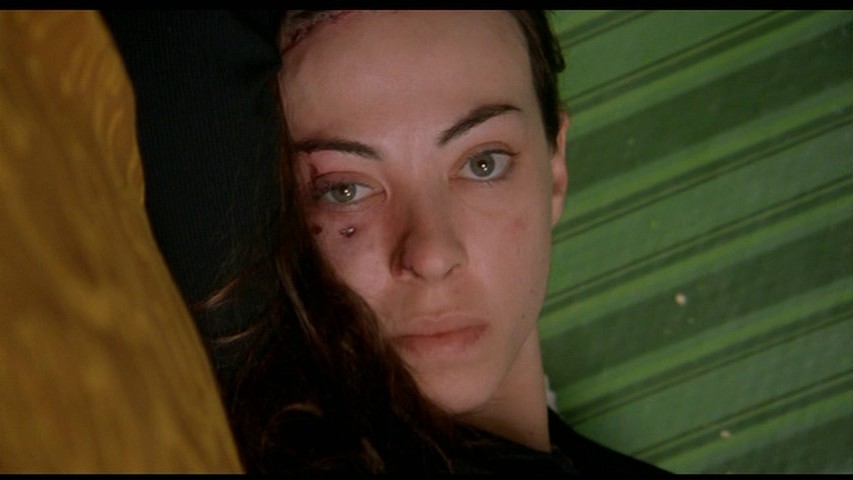
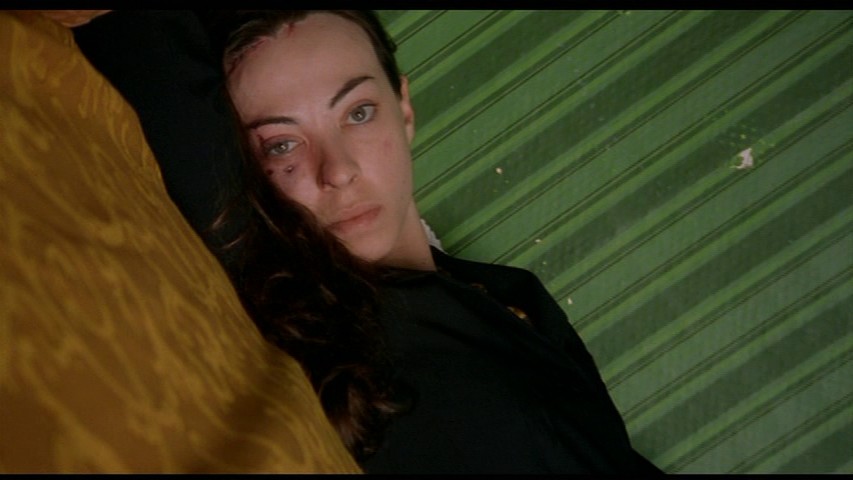
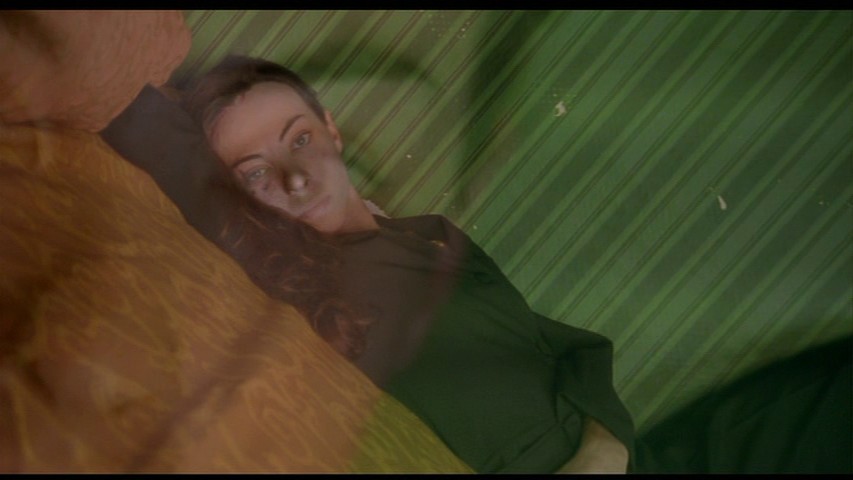
(44) Under the Shadow (2016, Babak Anvari)
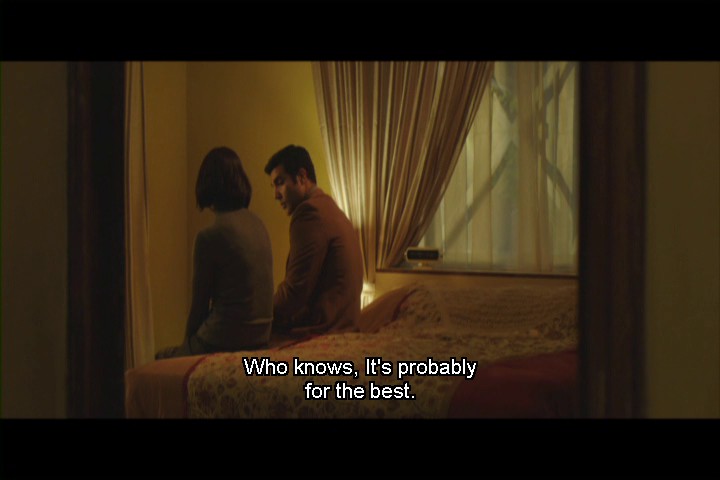
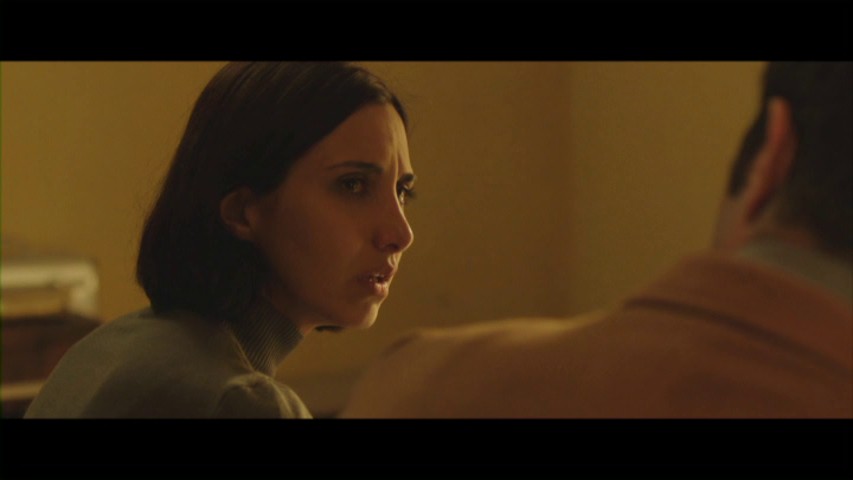
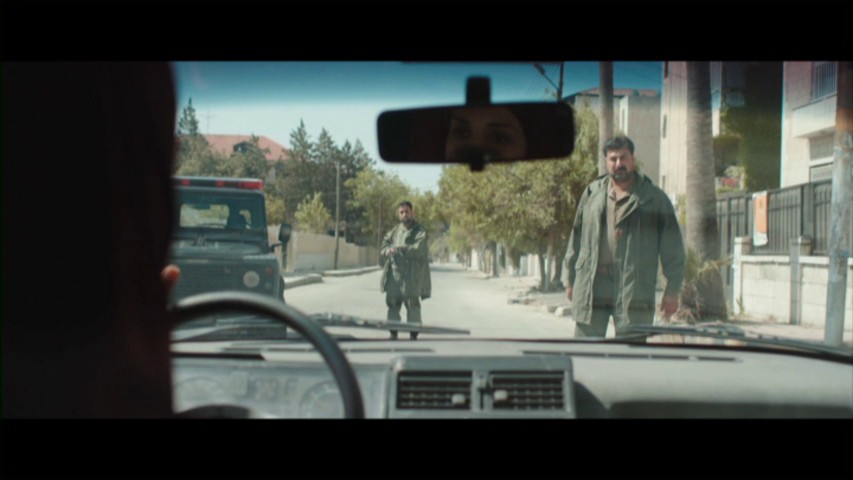
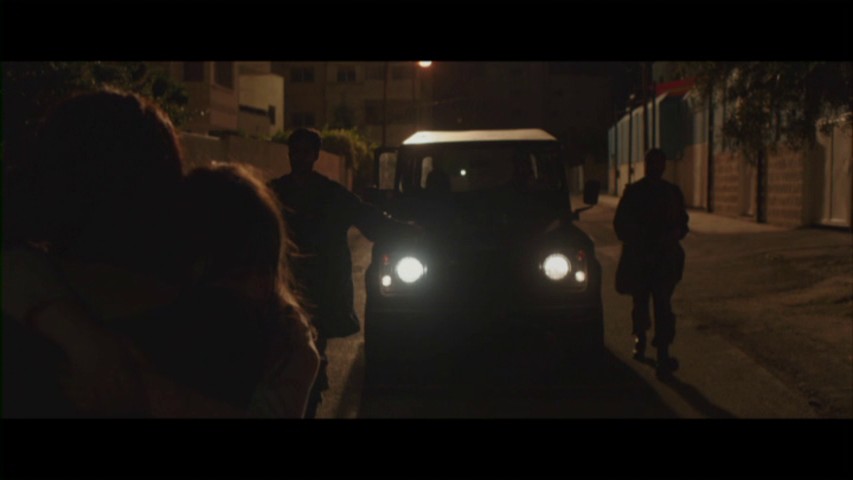
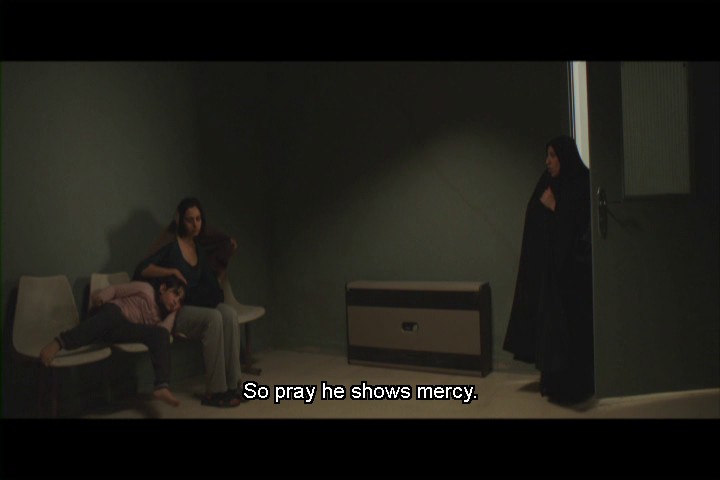
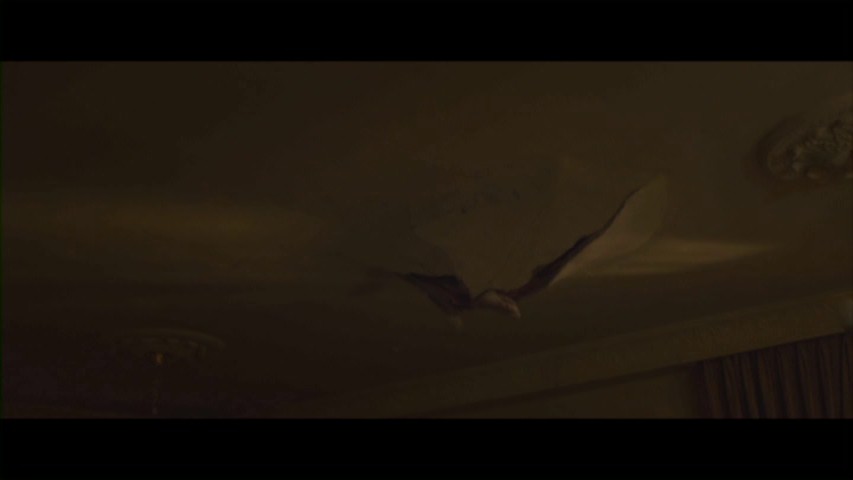
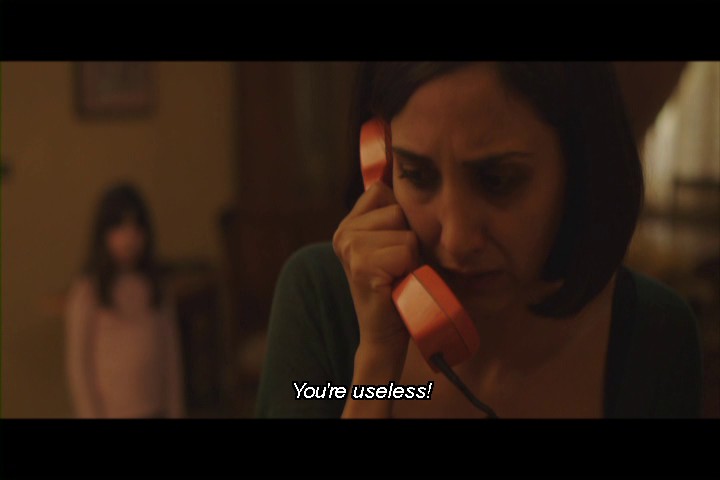
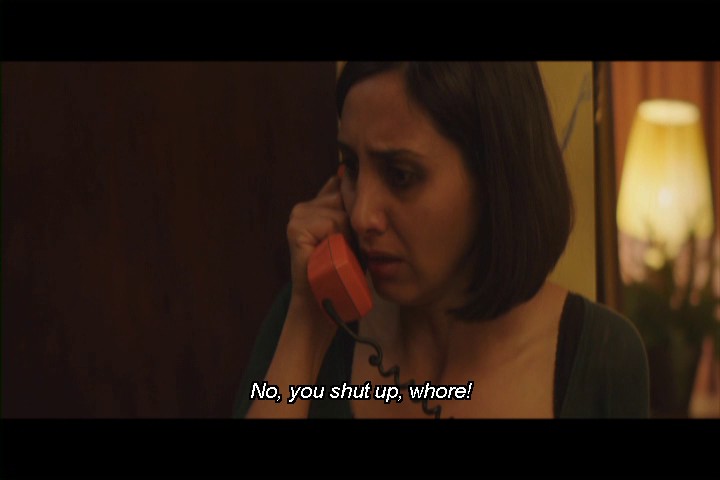
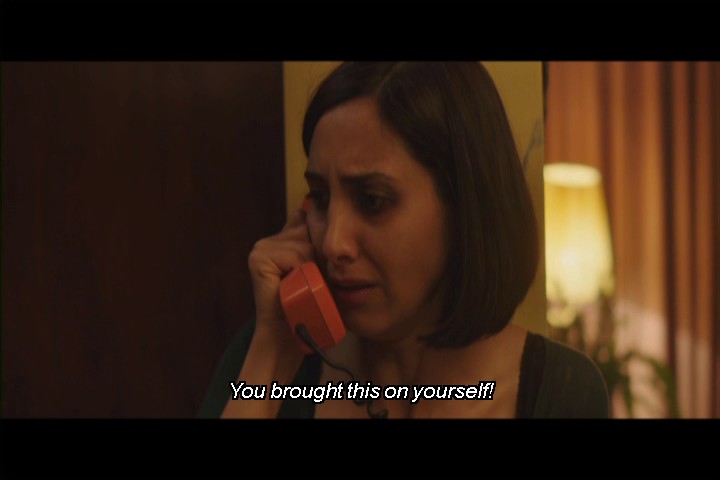
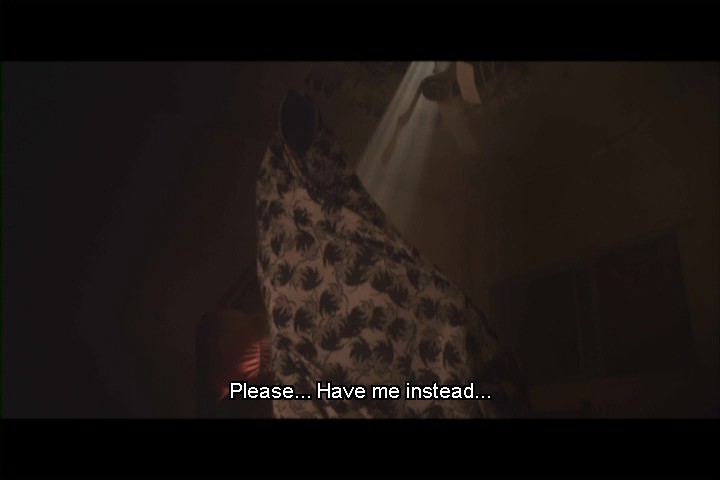
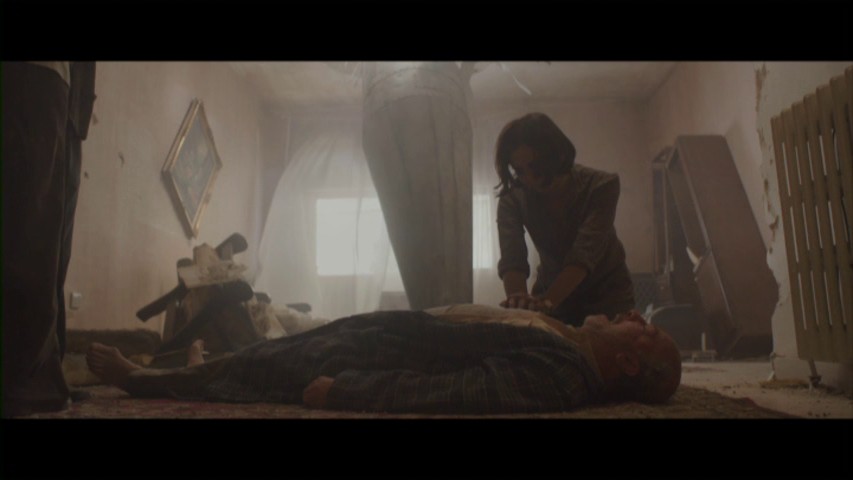
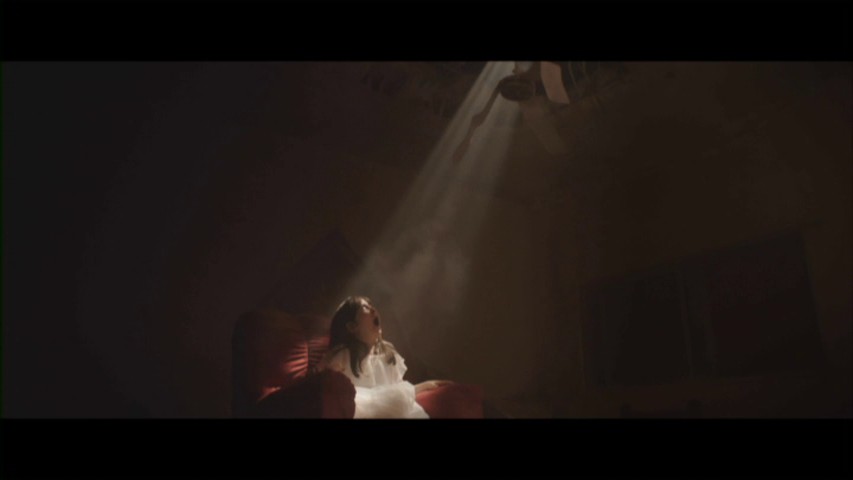
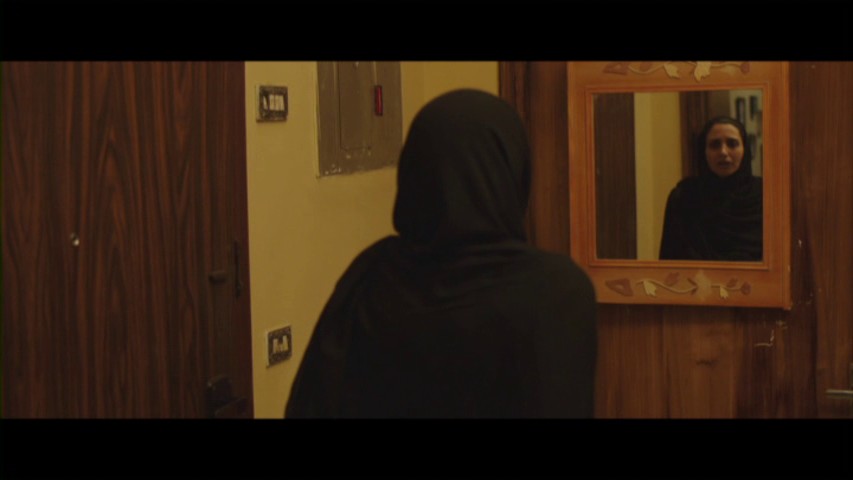
So, this film does something interesting, it creates a representation where the “monster,” the titular “Djinn,” is neither a psychological creature (not real) – or, in this case, a collective manifestation of many people (at least Dorsa sees the Djinn and others at least believe it is real) – or real. In other words, whether the Djinn is real or not doesn’t matter, its measure is in its pure symbolism, or, well, that and as it seems to be a real threat to our protagonists. In this context, the Djinn represents the anxiety and very real and traumatic oppression of Shideh (Narges Rashidi). As many writers have pointed out, the dead giveaway is the Djinn wearing a hijab, and, more than that, just being only hijab, the hijab in this case representing the extreme oppression of women in Iranian culture.
The filmmakers set this oppression narrative up in the early parts of the film. Shideh is not allowed to realize her dream of being a doctor, beginning her narrative of Iranian women (echoing other countries) not being able to self-actualize themselves. Moreover, even her husband (Bobby Naderi) ultimately seems to reinforce his desire that she give up this dream and just fulfill her responsibilities as mother and wife. That Iranian forces literally force women to wear a hijab when they are in public cements this way of thinking and being that doesn’t give women the freedom to be who they want to be, which includes dressing as they like, which does include wearing a hijab if that is their desire.
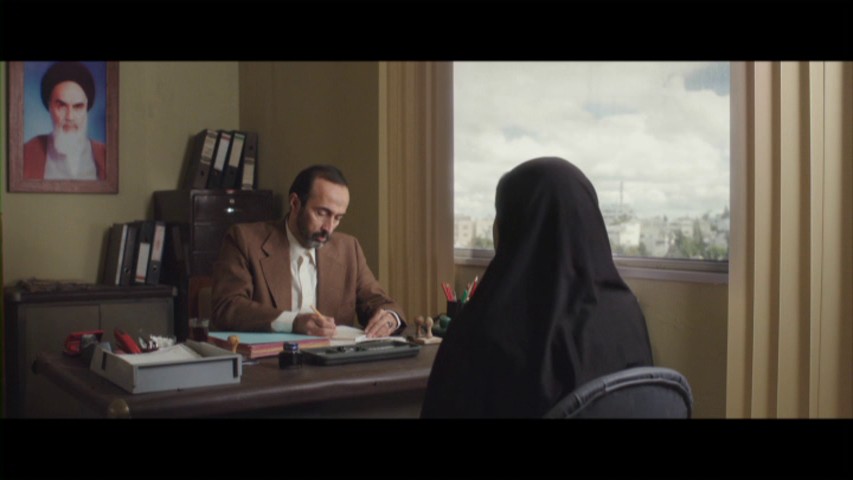
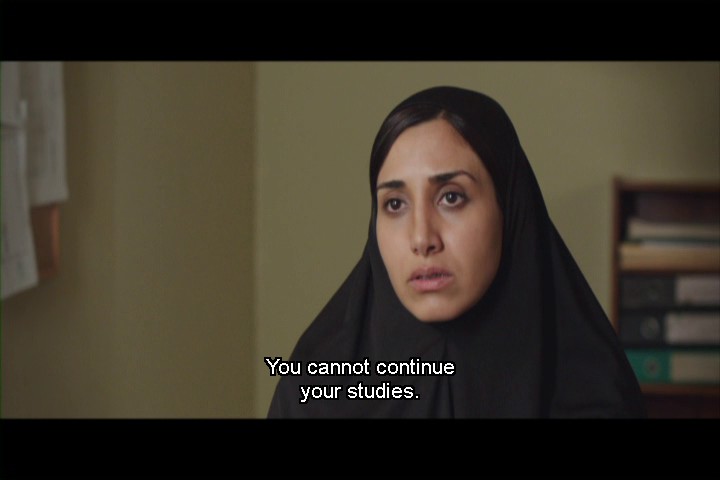
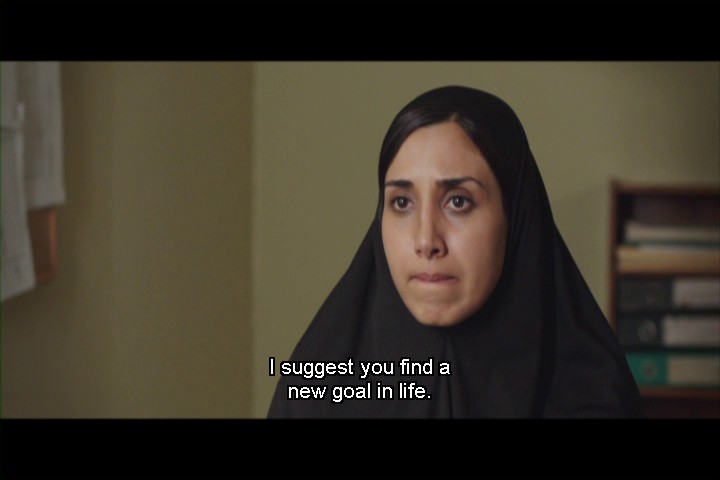
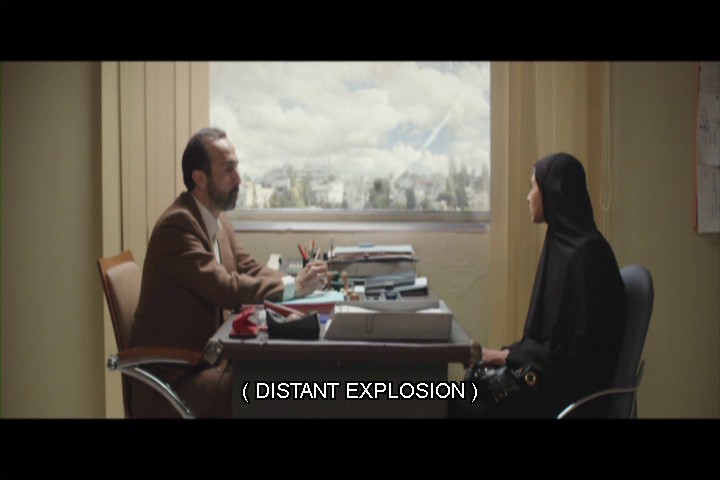
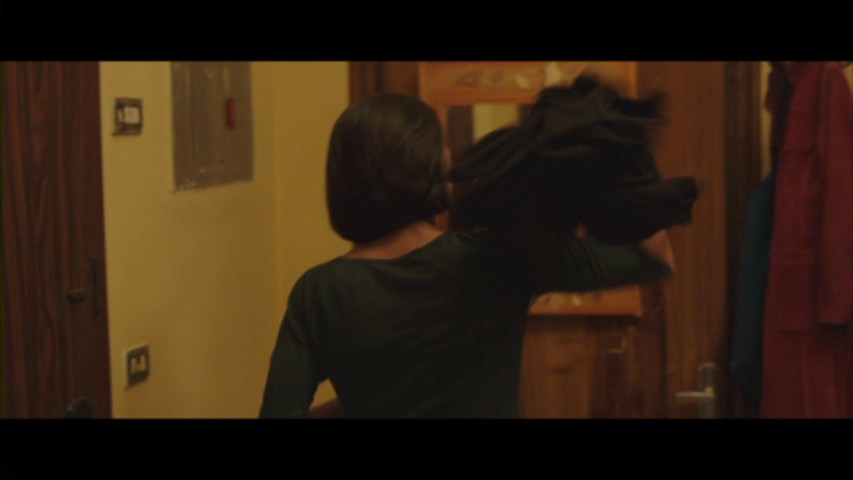
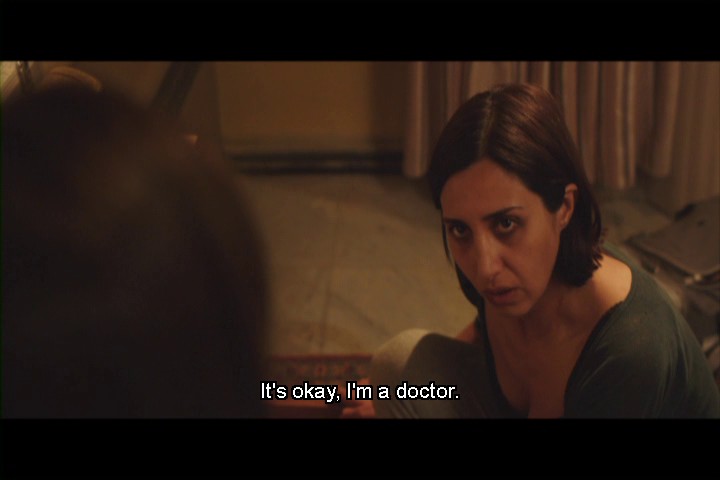
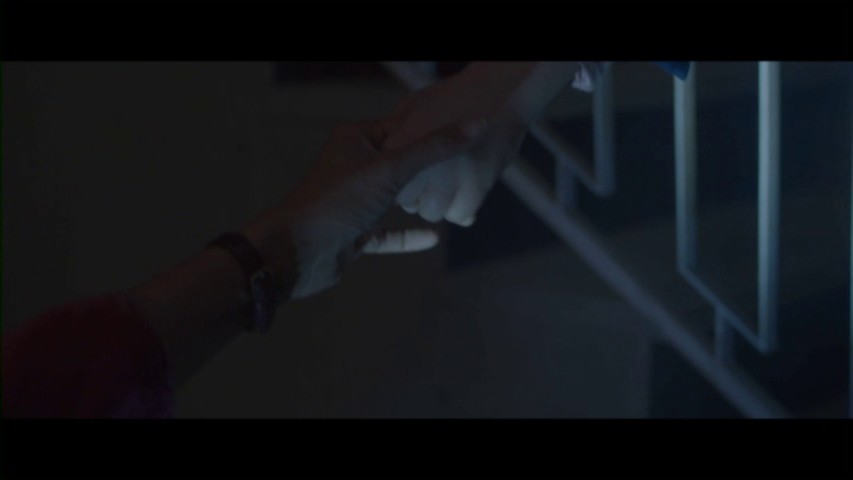
But the filmmakers don’t stop there, they also brilliantly link war itself to this toxic masculinity narrative, making this film not just about a single woman being oppressed but about the toxicity of toxic masculinity ideologies themselves. We especially get this in a brilliant early shot where the dean of the university tells Shideh that she must give up her dream of being a doctor as a missile in the background lands and blows up (see below), linking the two forms of toxic masculinity ideologies, toxic masculinity men both dictating their control and domination of women and their penchant for a “strange love” of war and violence. Later, a character says that Djinns come with the missiles, another way of connecting the Djinn to warfare. Again, that the Djinn is all hijab – the hijab representing women’s oppression by toxic masculinity ideologies – and that the Djinn becomes a voice for toxic masculinity ideologies and men (it constantly tells Shiden that she is worthless, a bad mother, and so on) punctuates how it becomes a literal manifestation of Shideh’s battle for determining her self and her very real psychological trauma inflicted by toxic masculinity ideologies.
In terms of the latter, that becomes the real power of this film, Shideh’s fight for her daughter (Avin Manshadi) and her very self (determination) against the Djinn’s attempt at subjugating her to its will and power, is a way to literalize the constant traumatic struggle with toxic masculinity ideologies. There is a lot I’m leaving out here but I’ll leave it at that for now.
(43) Train to Busan (2016, Yeon Sang-ho)
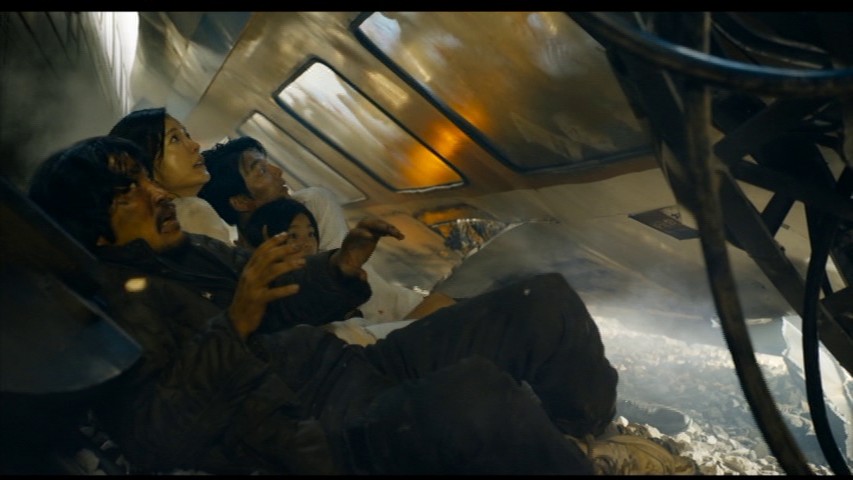
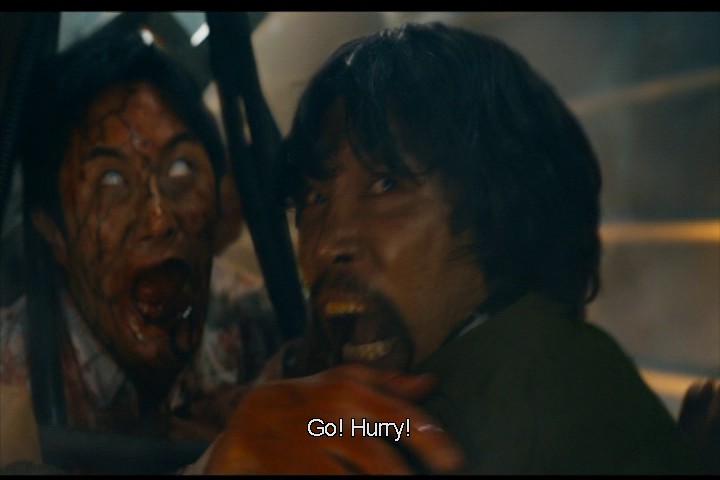
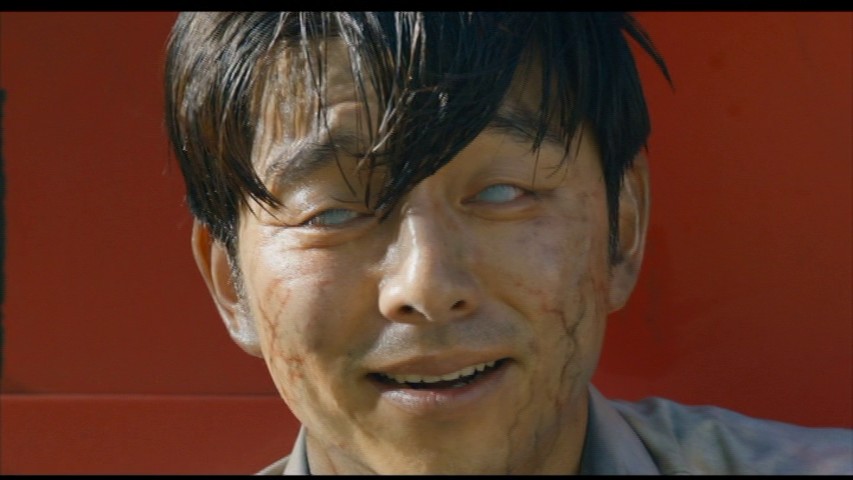
So, before I get to the deep element in this film, I must say, for me, Train to Busan is one of the most wildly entertaining zombie films ever. The zombies are genuinely terrifying, and the survivors are put in many incredibly intense situations, with few letups. Having said that, there were a couple of elements in the film that I didn’t like, the primary one being when one group of survivors forcefully isolates another group, fearing they may be infected, even though they obviously are not and it being clear by this point that anyone infected turns pretty quickly. This just felt like a glaring contrivance to create the scenario that follows. I also didn’t like that so many of our ending survivors die, not because I didn’t want any of them to die, but here too, it felt like a contrivance to give us the dramatic ending moment we get.
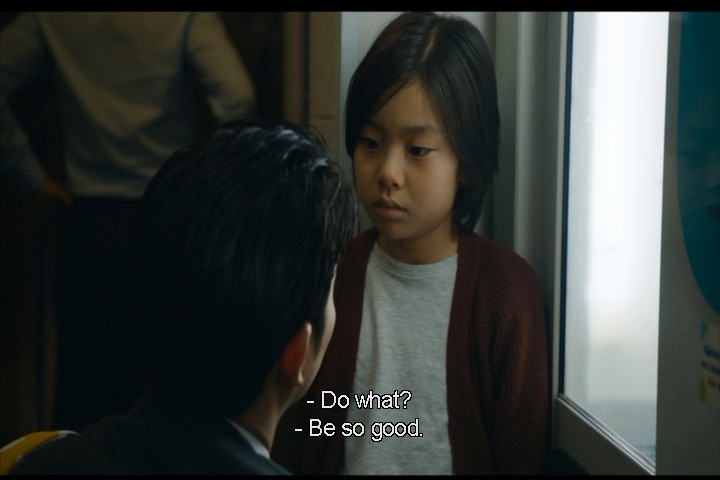
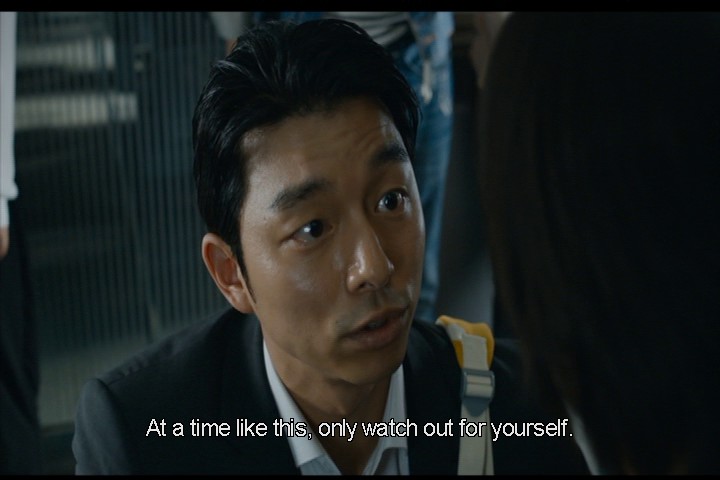
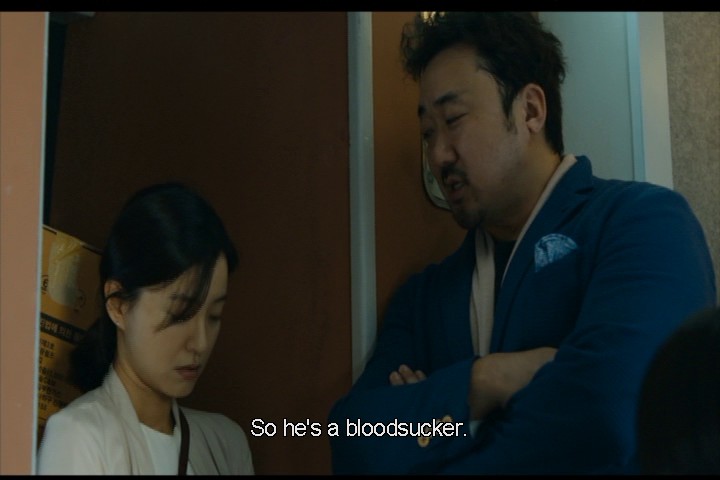
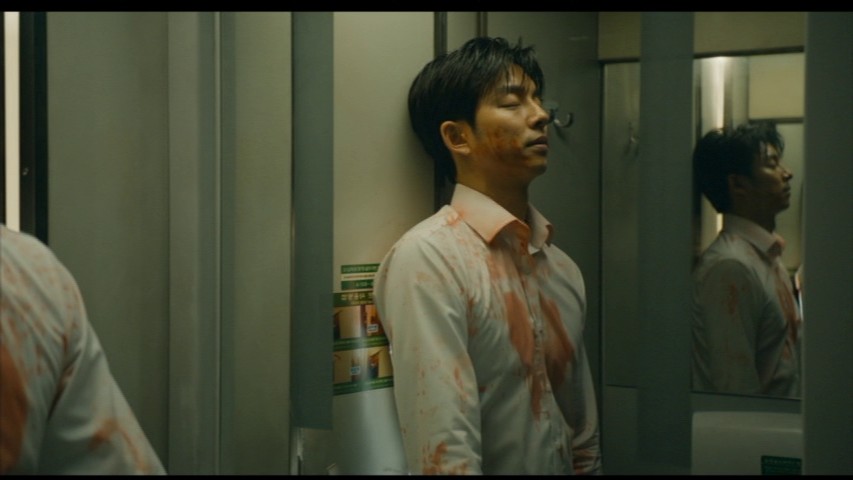
Where the film really has power is in its deep element, becoming a powerful testimony to a real world binary, between a self-absorbed individualistic humanity who only see other human beings as disposable and a collective humanity who see human life as a sacred trust. The former is especially allegorically represented by both the father, Seok-Woo (Gong Yoo), and especially the awful COO guy, Yon-suk (Kim Eui-sung). Moreover, the former is also represented by the backdrop of the father’s corporation, YS Biotech, the reason for this “zombie” plague. In the opening sequence of the film, we get a rancher who complains that some leak had led to the slaughter of his livestock, suggesting that this tech corporation is dabbling in biological experimentation, almost certainly for some profit making enterprise.
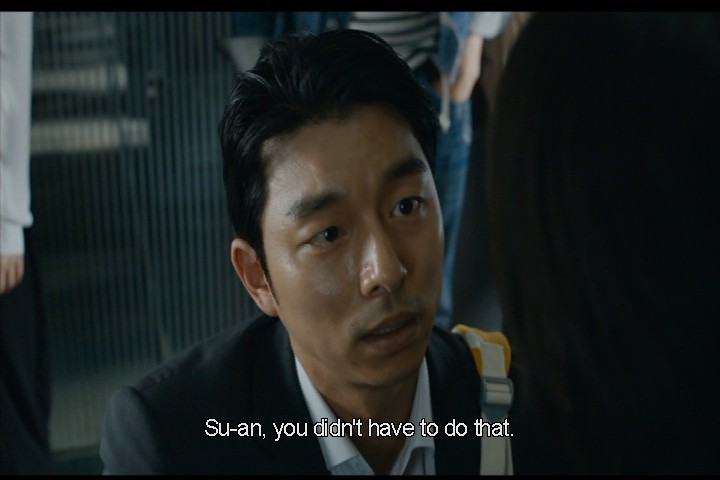
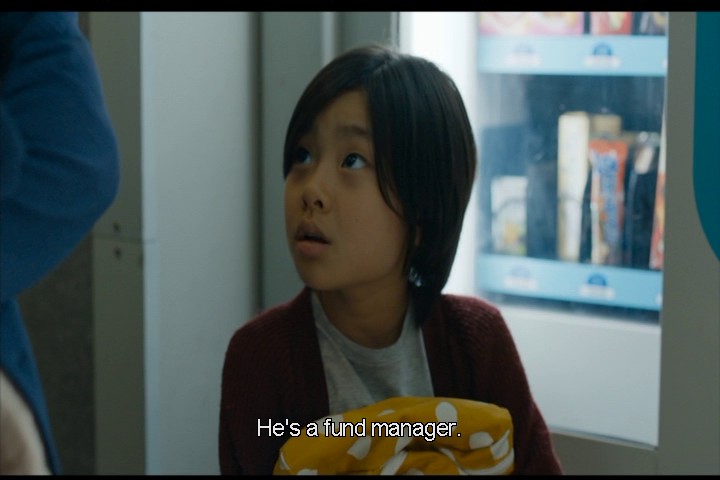
This putting profit and economic growth before people corporation becomes the absent cause in the whole film, not just the cause of this potential human life ending “zombie” pandemic but for something else as well. As we see with the father, and come to see with the COO guy, such a corporate/capitalistic way of thinking and being turns them into mercenary, predatory individuals, dehumanizing them even before they become dehumanized zombies. We see this early on with the father, who has put his corporation before his own family, punctuated by not attending his daughter’s all-important recital, where she is singing a solo song just for him. We also see this in the early film, when the father begins his survival by only thinking about himself and his daughter’s survival (we get this explicitly stated in a key scene, see below).
In this context, during the film, as the world around them becomes more and more dehumanized (represented by the zombies), the father becomes more humanized, beginning to put others before his own life. And that becomes the theme of the film overall, how when lives are threatened, it largely brings out the best in humanity, the survivors beginning to act as a collective, working for each other rather than selfishly themselves. In this way, films like Train to Busan give us a window on what could and should be, a humanity not contaminated by material/mercenary interests but rather humanistically working for the greater good of humanity.
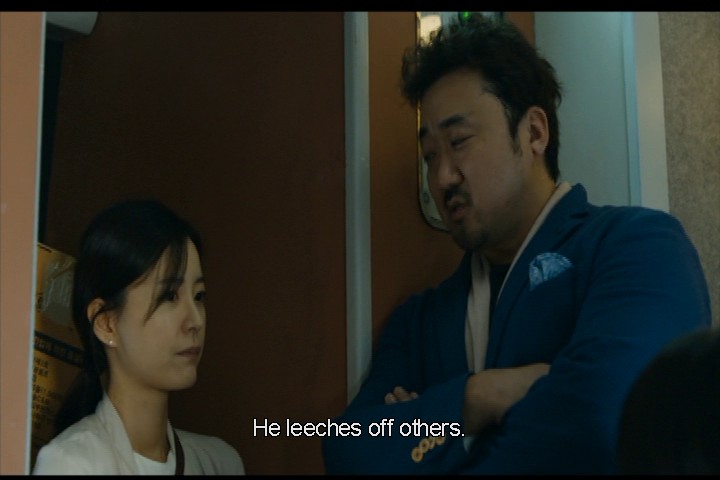
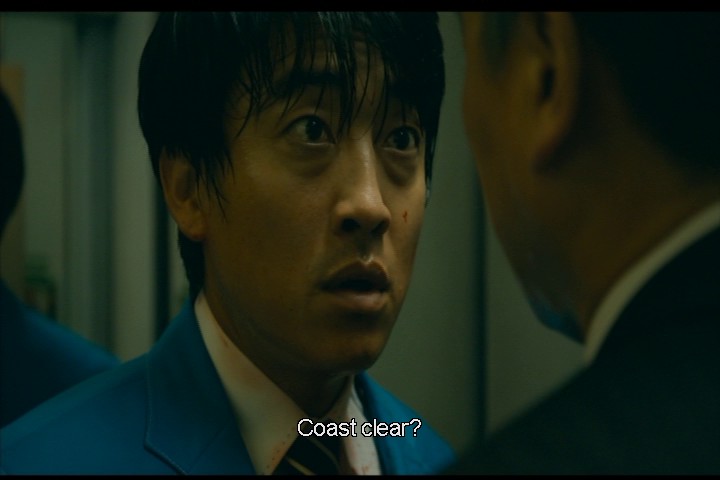
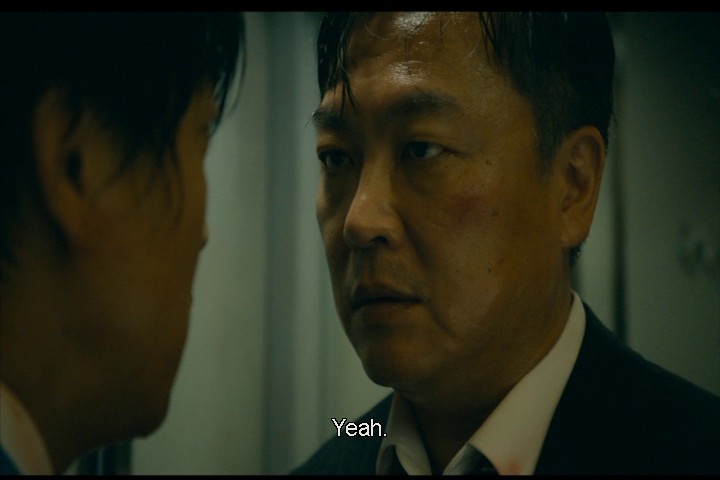
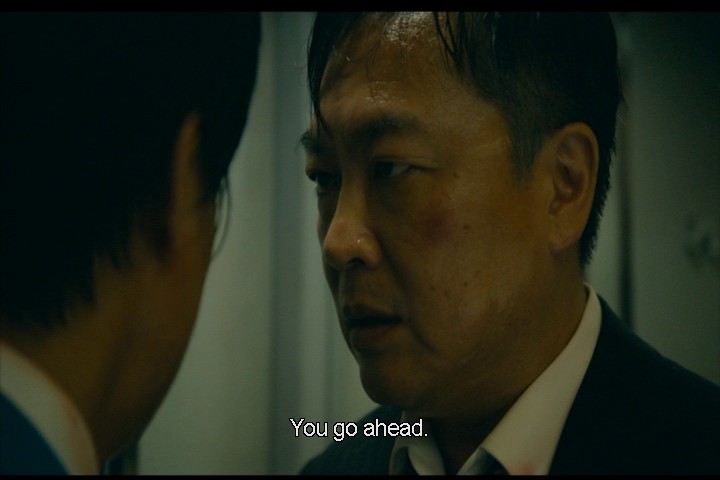

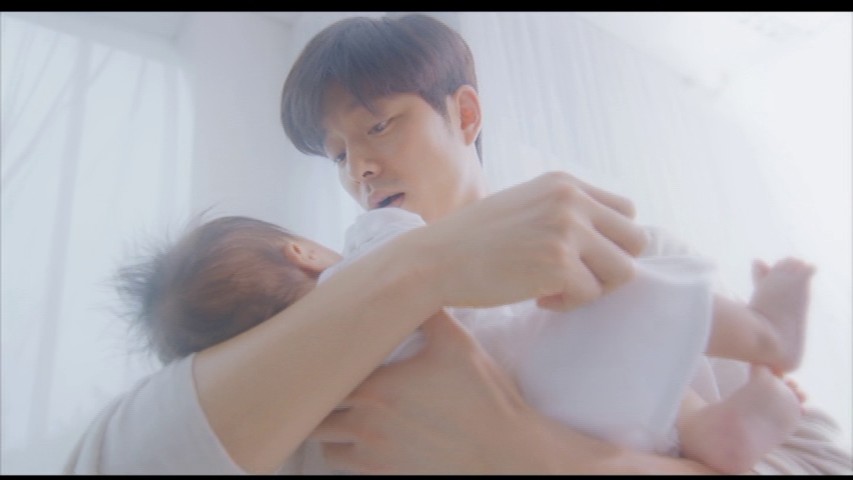
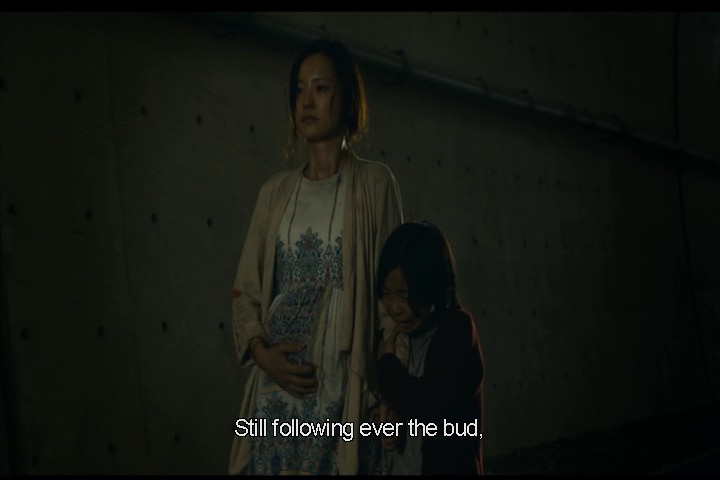
Train To Busan – A Masterpiece of Social Commentary
(42) Would You Rather (2012, David Guy Levy)
Before I get to my thoughts on this film, let me emphasize that I really loathe what has been dubbed “torture porn” horror films. I like this description because to my mind that is what these types of horror films do give us, human bodies being “tortured” in really horrendous ways for the sole purpose to titillate. To my mind, such films do real damage to us, moving us deeper and deeper into pushing the boundaries of how to stimulate us (for profit), while desensitizing us to violence against Others, a mode of being that might be degrading our empathy, which, in turn, contributes to acts of violence by those who are already mentally unstable. (This too is the “videodrome” signal, see my entry below!)
And I must sheepishly admit that Would You Rather falls into this “torture porn” sub-genre. However, I have watched the film a few of times now and I am convinced that despite it seeming to be a “torture porn” horror film, it is that rare “torture porn” horror film that is doing something deep and interesting, in fact using its tropes strategically, for allegorical effect. What this film does that I think is even more rare is use horror film tropes to reveal the monstrousness of capitalism, and make no mistake that capitalism is ripe for horror film tropes since it is in short a put profit before people, dog-eat-dog, survival of the fittest (e.g., sociopathic) system.
And that is what the film maps out so well, how capitalism (allegorically embodied by Shephard Lambrick/the Lambrick family) degrades humanity by making money the center of being — each character desperately needs money and will do almost anything to get it, including “torturing” Others, which, of course, is what we get on a routine basis in the real world. In other words, by making this film’s focus money as the object of exchange, the film gives us in a very concrete way what goes on more abstractly every day, that money dictates being, dictates choices, even if those choices mean enacting brutalities on Others.
(Before I go on to my specific analysis of the film, let just stress that despite my feelings that the film is giving us something deep and meaningful, I still have such misgivings about the film, wondering if the “torture” moments are just a little too gratuitous and if the implications of them are deep enough to justify them? This really is an open question for me, and I would love to hear any feedback on this point. In the meantime, I would caution people about this film, it is a disturbing film.)
More specifically:
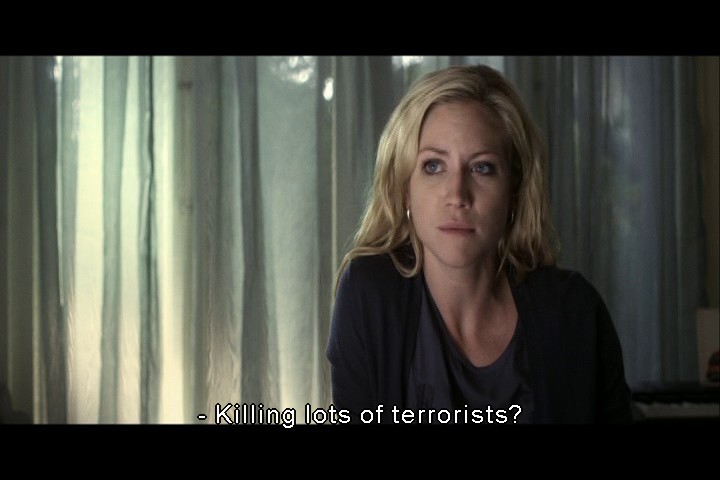
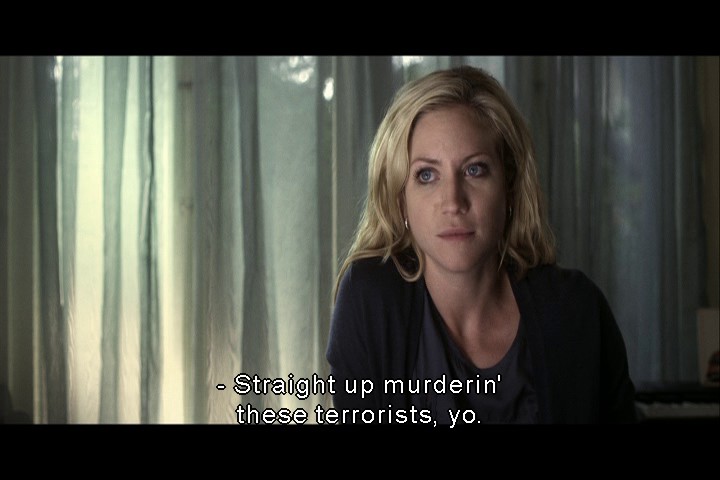
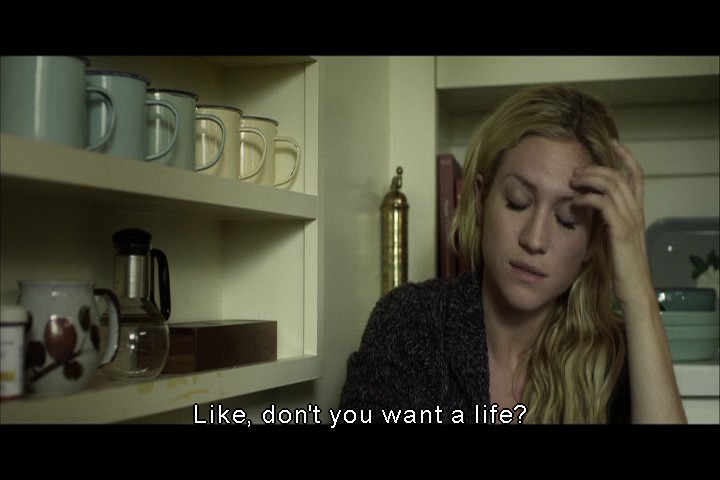
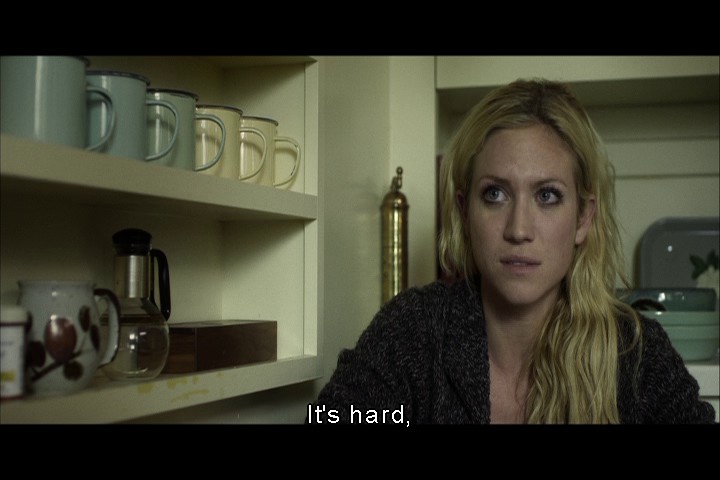
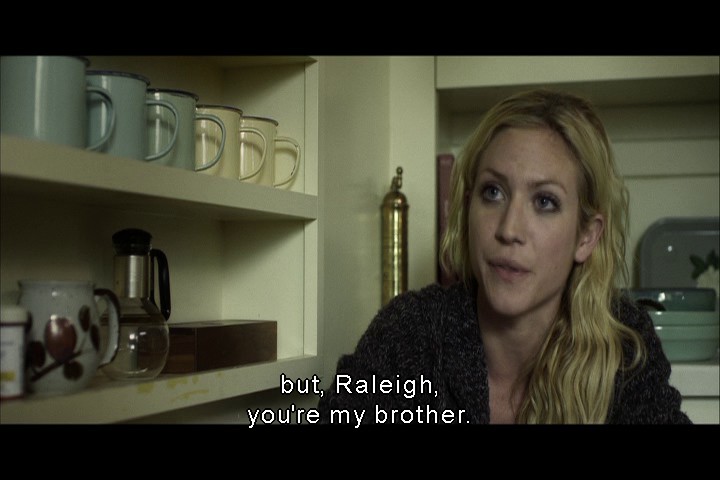
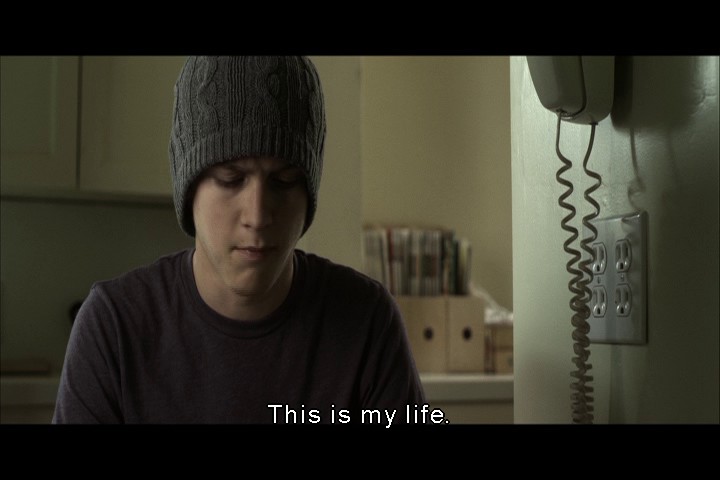
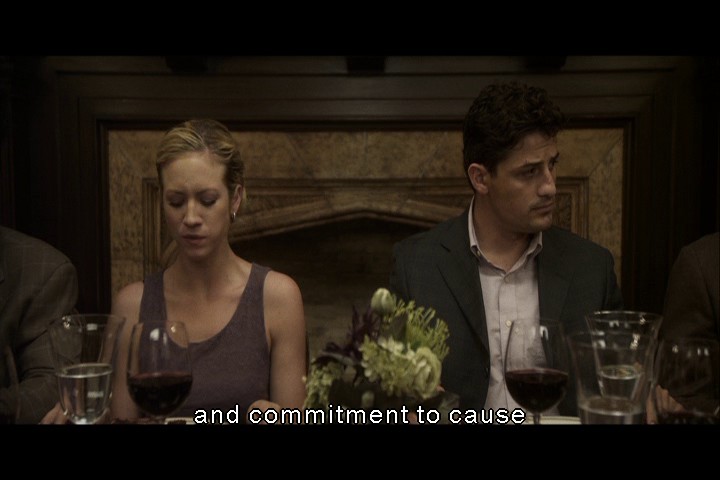
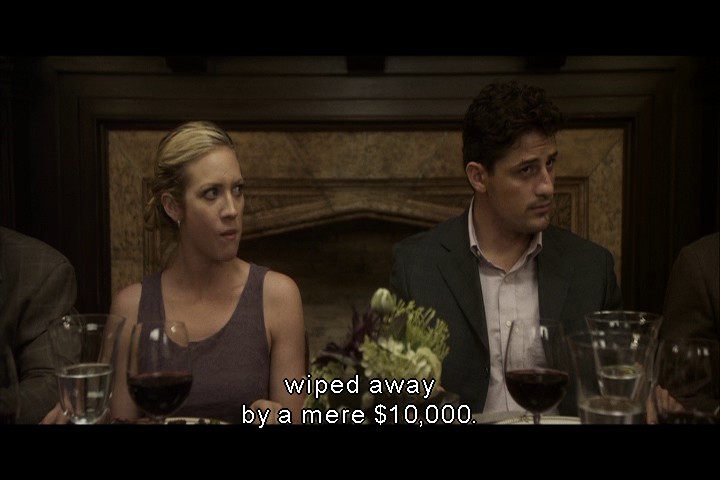
*The film begins with Iris (Brittany Snow) not being able to find a living wage job, which she needs not just for herself but for her brother Raleigh (Logan Miller), who has leukemia and needs a bone marrow transplant to live. These two scenarios are just all too common in this country, millions of people not making enough money even just to pay for basic necessities (never mind the luxuries we all need in life) and/or not being able to pay for expensive medical treatments.
*Of course, as we see with Iris and Raleigh, also like so many others, when such financial stress is placed on families, it leads to stress on their relationship, conflicts that should not exist for families.
*Out of desperation, Iris decides to take a chance on a very suspicious opportunity, again, something that is all too common for people suffering from similar financial issues. In addition, this opportunity is given to her via her doctor (Dr. Barden/Lawrence Gilliard Jr.), who knows fully well what he is getting her into, since he went through it before her. Having a doctor move Iris into such a horrific situation – one that is all too likely going to take her life – suggests an extremely disturbing implication, that capitalistic scenarios can turn just about anybody into a predator. (Yes, the doctor’s conscience does finally get to him, and he does try to make amends by saving Iris, but that he even initiated her likely doom still implicates him.)
*The space in which the “would you rather” horrors take place is a mansion, though interestingly mostly used for “holidays” and “events” for killing, the allegory here just so telling, the mansion itself signifying wealth and power and the offhand comment stressing how wealthy elites equate times for celebration and familial connections (“holidays”) with the psychopathic stimulation that comes from killing people.
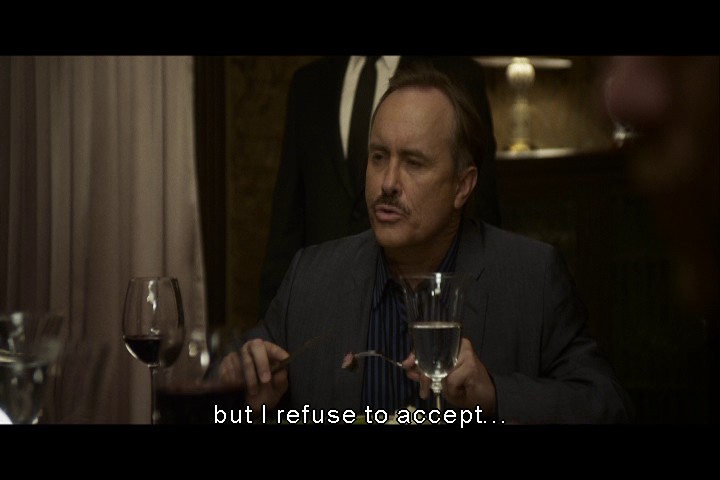
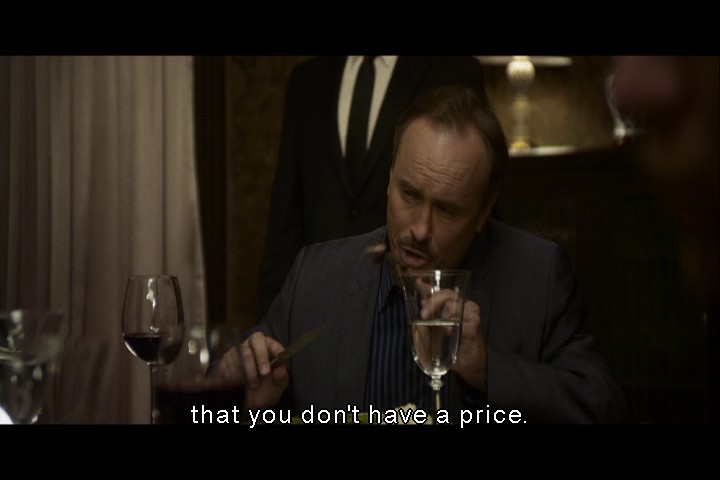
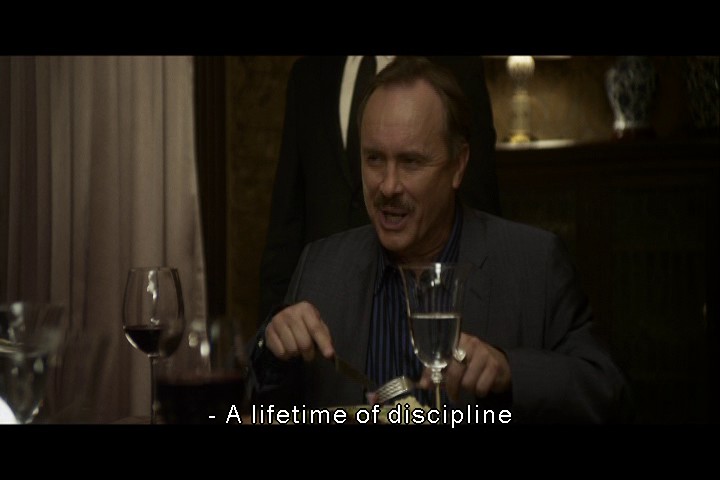
*As I suggest above, the individual who runs this vile “game,” Shephard Lambrick (Jeffrey Combs), is a truly sick psychopath, but he presents a glossy surface, suggesting benevolence and decorum, his REAL being something much darker. In this way, Lambrick is a deeply allegorical figure, representing so many other wealthy elites (capitalists) whose REAL is sociopathy/psychopathy. The crux here is that Lambrick could help all the participants of this horrifying “game,” but he chooses instead to see them as disposable bodies for his stimulation and pleasure, adding to his allegorical symbolism.
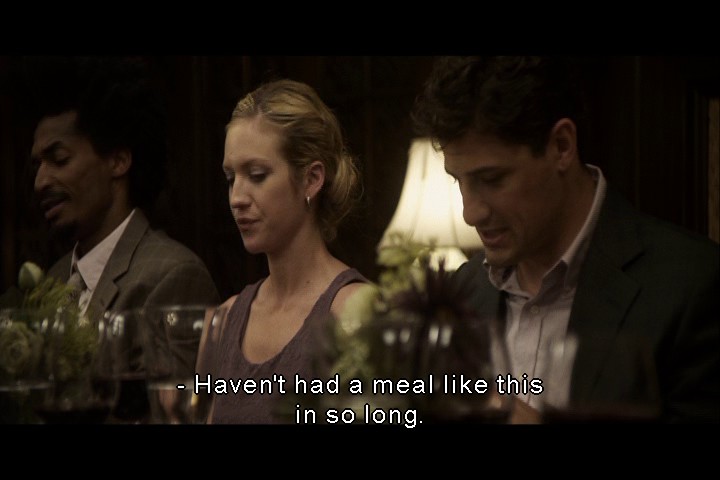
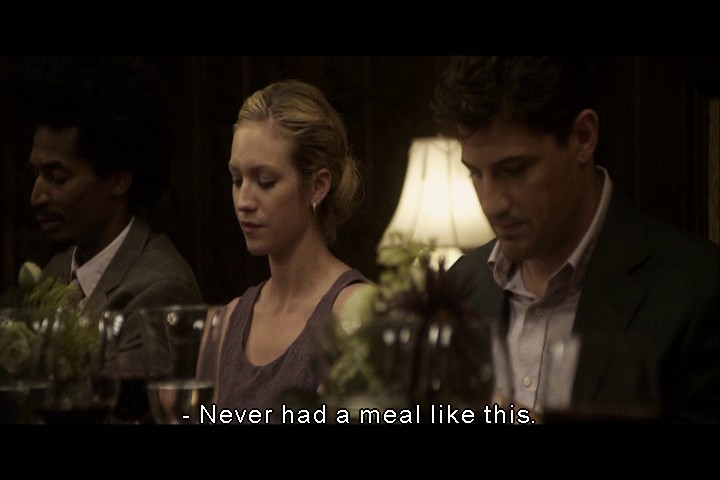
*The participants of this “would you rather” game are served a gourmet (elite) meal, which they can only get because they are to be in effect “consumed,” an additional way to contextualize how Others are seen as disposable, dehumanized.
*The micro of this “would you rather” game is displayed almost right away, when Lambrick offers money for the alcoholic to drink alcohol and the vegetarian to eat meat. In this way, the film asks the question of what people will do or must do for big money, the answer being just about anything, even if it goes against one’s sense of self.
*The “would you rather” game becomes the equivalent of capitalism: Like how capitalism is a mercenary, predatory, dog eat dog, survival of the fittest economic system/ideology, the “would you rather” game becomes the palpable allegory of that.
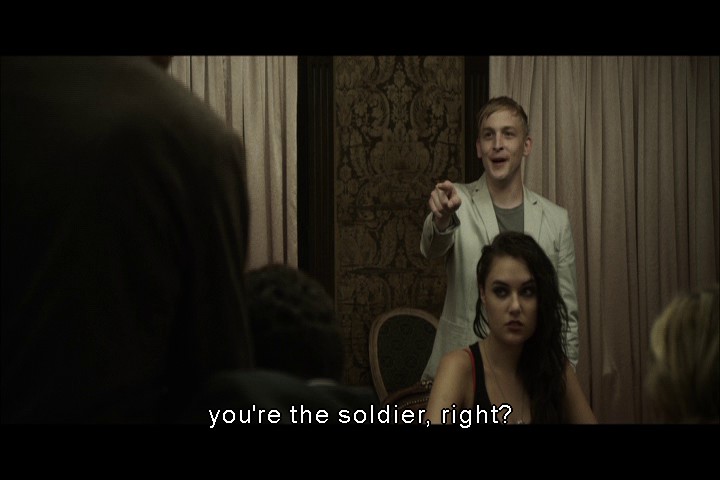
*The Iraq vet, Travis (Charlie Hofheimer) is beaten to death, reflecting the REAL of our military personnel/veterans, at least for those in power, in effect, disposable “whipping boys.” (See below for more)
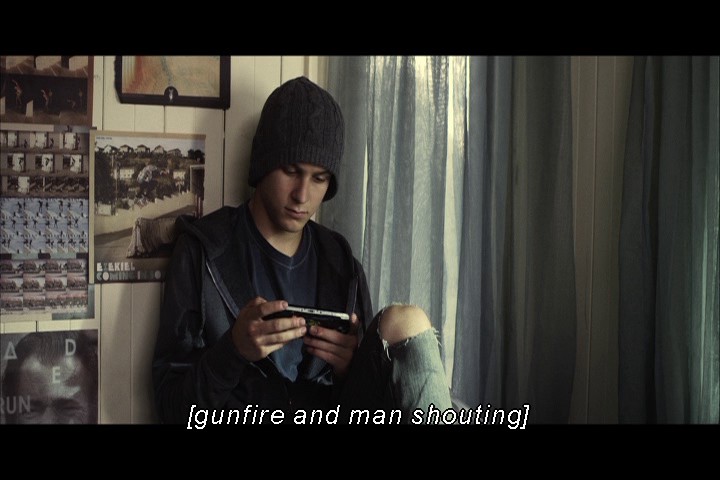
*Of the participants, the mean girl, Amy (Sasha Grey), is already a predatory, mercenary figure, though we get hints that she has been made so due to the extreme survivalist hardships of a capitalistic world. As capitalism is a predatory, mercenary economic system/ideology, it breeds such mercenary, predatory individuals. And that is the truly disturbing implication of her, how she represents sociopaths in our midst, people who are capable of sociopathic acts if such a situation presents itself. (See below for more)
*Outside of Amy, the rest of the group initially try to work together, help each other, at least giving us the hopeful potentiality of humanity, if we didn’t have capitalism.
*Lambrick’s son, Julian (Robin Lord Taylor), tries to rape Iris, making him the REAL of the father/family, a more explicit form of what the father is. Lambrick apologizes, furthering his allegorical status, the facade of something dignified, his caring facade cover for his monstrousness, just as monstrous as his predatory son.
*The “would you rather” choices are bad, between bad and worse and they can kill you, or at least harm you in some way, which is often the case for people struggling to survive in a capitalist society.
*Amy isn’t even given a chance to hold her breath, making the “would you rather” game innately unfair, also mirroring how our capitalistic system/ideology is inherently unfair, the “system” stacked against the lower/working class, also perhaps why she is so mean??
*Lambrick uses hypermasculine enforcers, again signifying how power uses such mechanisms to enforce their sociopathic acts. And here too the cover of genteelness is here exposed by the hideous REAL of these brute force actors.
*The ending climax of the film is just too horrifying. Our final two participants are of course Iris and Lucas (Enver Gjokaj), two good people participating because they believe they must do so to help their loved ones. Amy wins the coin toss and gets the final choice between dehumanization and extreme wealth, even if the extreme wealth is to save her brother. This is the filmmakers’ final denouement of humanity, for a few reasons. First, Lambrick and his henchmen again prove their dehumanized psychopathy by not only creating this unfathomable choice but then laugh and applaud (“We have a winner!”) Iris murdering Lucas. Second, here again, that this choice was ever possible reflects a deeply failed (capitalistic) economic system/ideology, failing all the participants, including of course Iris and her brother. Third, with this choice by Iris, we again get what people will do out of unnecessary desperation, her desperation reducing her to a dehumanized murderer. That the film doesn’t make this easy for us – instead of giving us say unlikeable Amy or some other horrible human being, we get good human being Lucas – makes Iris’s choice even more horrific, and, in turn, speaks to how it is common for good people to be hurt or even killed in a sociopathic (capitalistic) system/ideology.
What punctuates Iris’s unspeakable act is what the filmmakers do next, have her brother commit suicide, making Iris’s sickening murder done for nothing. This punctuation is telling because it hyper-emphasizes how Iris’s act was not just for nothing but that the act itself was always going to be a dehumanizing act. That it was done for nothing makes this plain, but in this realization, we can see just what a monstrous choice by Iris that it always was. Even if her brother hadn’t committed suicide, Iris would have had to live with her dehumanizing act, and because she is a good person, this would have almost certainly detrimentally impacted her life, the trauma of her act always staying with her and perhaps sullying her relationship with her brother.
(41) Teeth (2007, Mitchell Lichtenstein)
So, I must confess that when I did a rewatch of this horror-comedy film (I hadn’t seen Teeth since it first came out in 2007), I was expecting a gratuitously exploitative film. I mean, a vagina with teeth that bites predatory men’s penises off, that sounds like superficial sensationalistic bait! And while there is a little bit of that in the film – the comedy element in the film is informed by making the biting off of penises perhaps a little too funny and gleeful – to my surprise, the film is much deeper and complex than I expected.
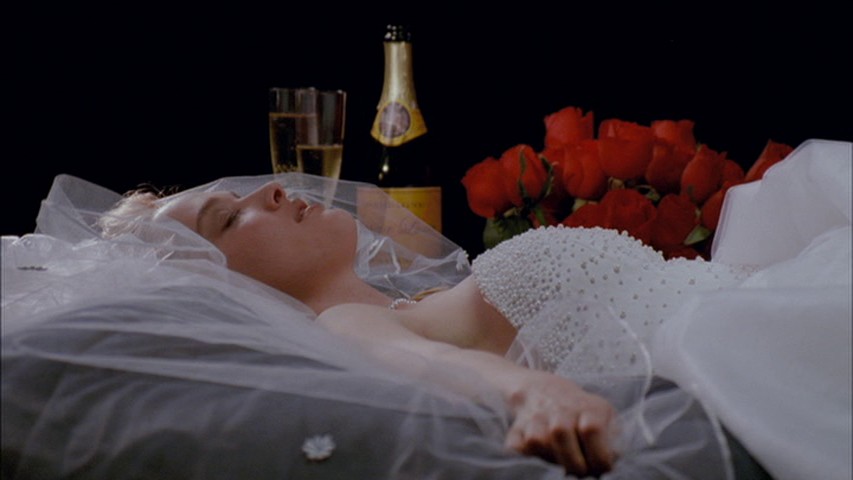
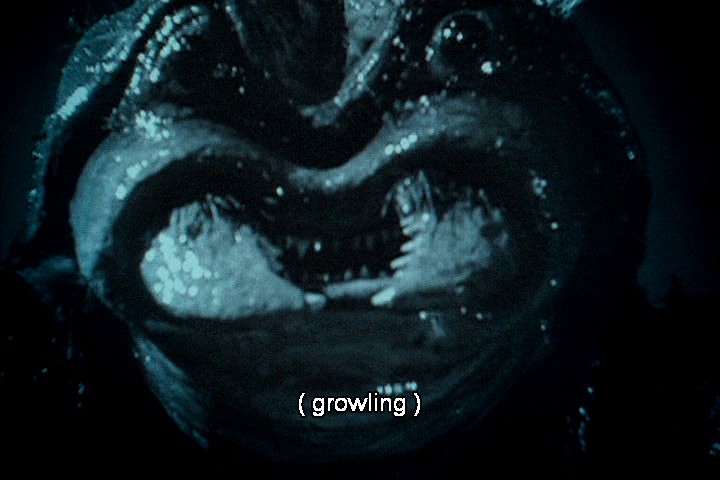
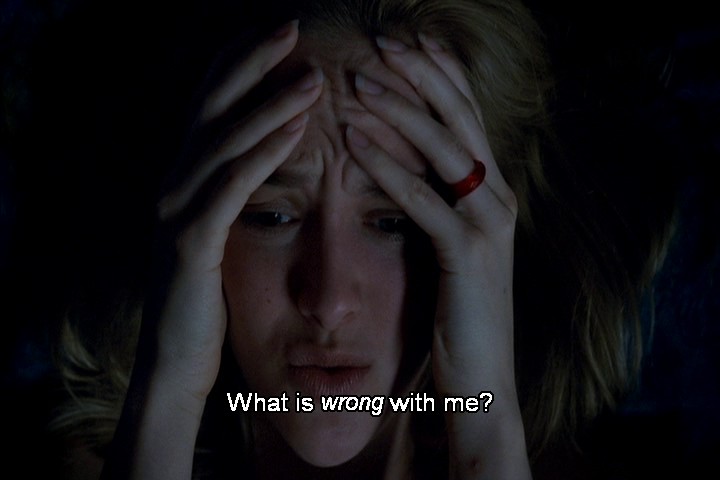
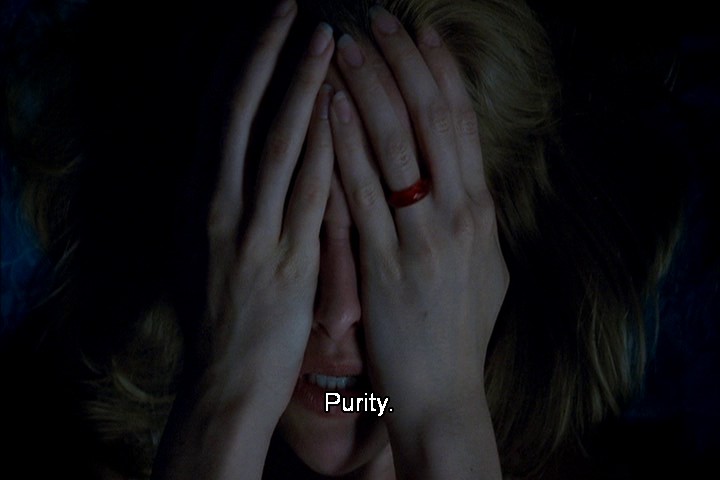
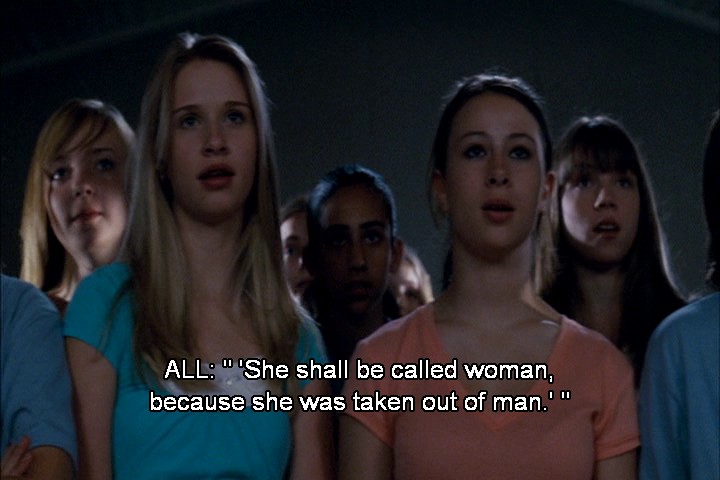
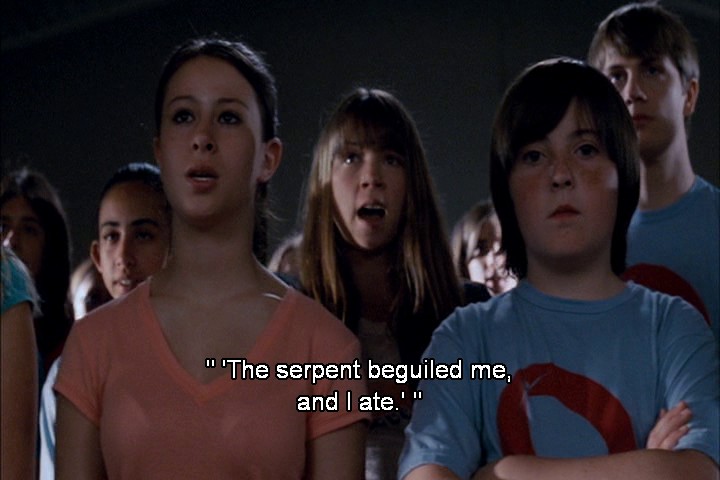
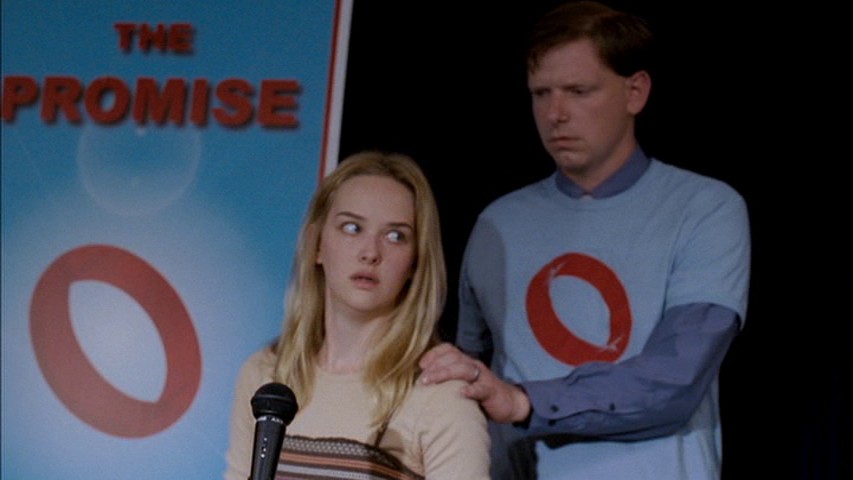
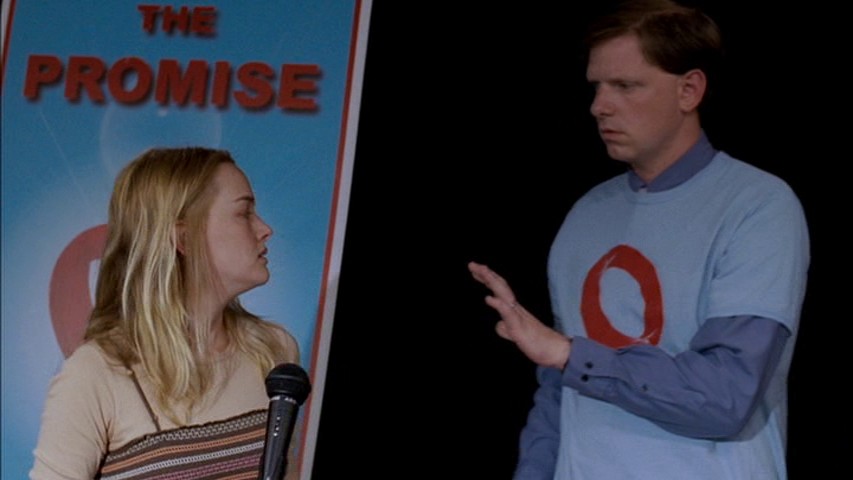
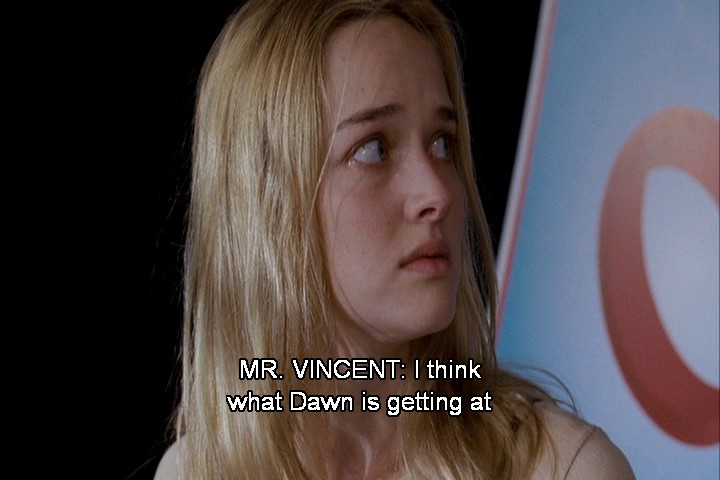
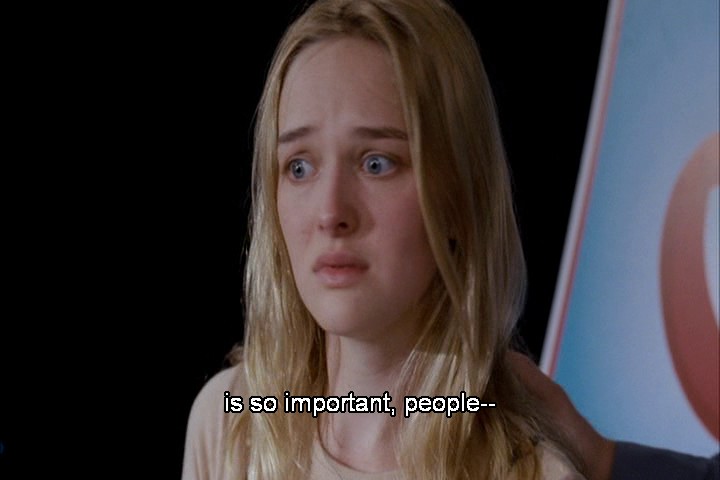
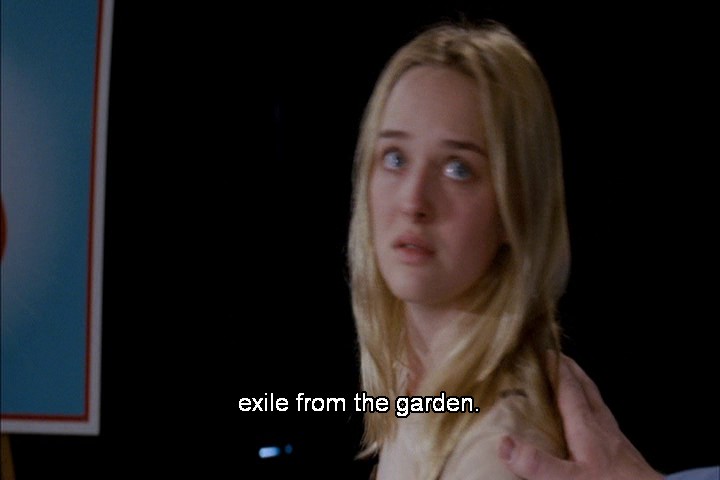
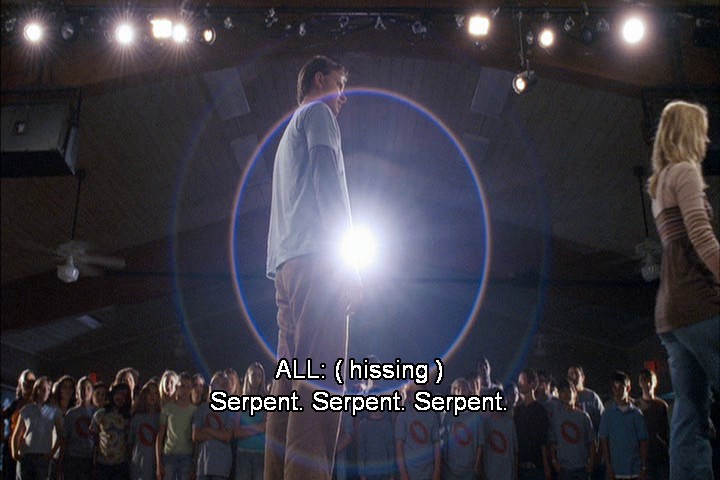
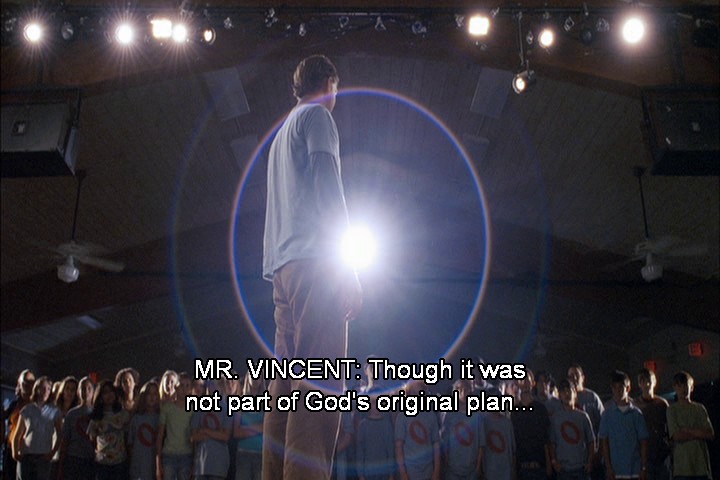
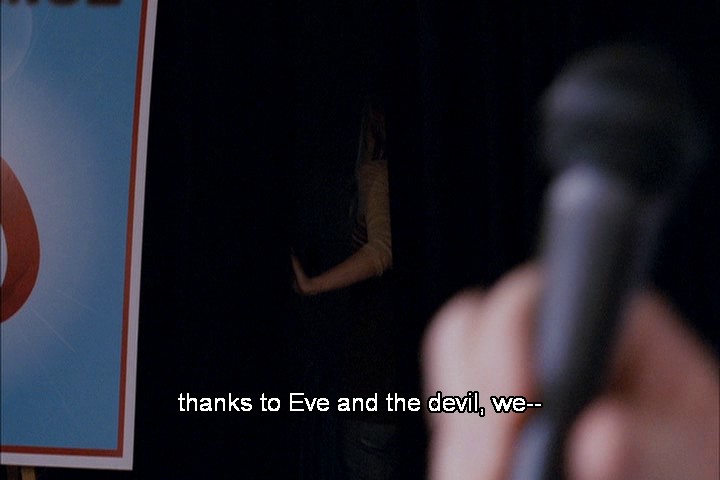
The deepest element stems from the Christian abstinence only program that our protagonist Dawn (Jess Weixler) becomes the star influencer. At one point, just after Dawn is raped by Tobey (Hale Appleman), a supposed fellow (“purity”) Christian, Dawn’s faith has clearly been shaken by her experience, not just that she was sexually assaulted, but by who did it, a young man who she had seen as a fellow devotee of the Christian abstinence commitment and her dream romantic partner, a man she had already seen as her future husband. Her confusion also stems from the burgeoning sexual desire she had for Tobey, her first conflictual experience between her natural (human/feminine!) sexual desire and her unnatural (Christian) dictates to suppress it. So when she is asked to do her usual abstinence only spiel after being sexually assaulted by a young male she unconditionally trusted, she can’t do it anymore, stumbling awkwardly through her talk. Her listeners, young people already indoctrinated by their Christian beliefs, respond in a very disturbing droning way (see below):
“She shall be called woman because she was taken out of man.”
“Bones of my bones, and flesh of my flesh.”
“The serpent beguiled me, and I ate.”
The abstinence adult leader later says: “Thanks to Eve and the Devil…”
All these sentiments speak to how women have been marked as “impure” from the beginning of Christianity. Moreover, women were also both created to be inferior and obeisance to men and objectified, dehumanized in general, Eve starting out as the rib of Adam, making Adam/men the dominant sex/gender, women seen as in effect an appendage of them. The abstinence adult leader, Mr. Clinton (Trent Moore), even links Eve/women with the Devil, suggesting that women aren’t just innately “impure” but actually immoral, the root cause for our history of representing women as “vamps,” “temptresses,” “harpies,” and so on. In this context, the film is really going for something deeper here, linking the predatory abuse of women not just to toxic masculinity predatory men but to predatory toxic ideologies, including religious belief systems that code women in this dehumanizing-objectifying way, and, I should add, Christianity is very much a patriarchal belief system.
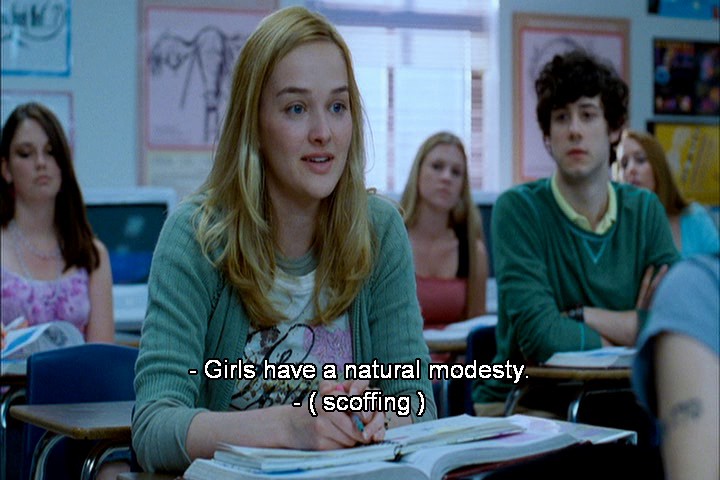
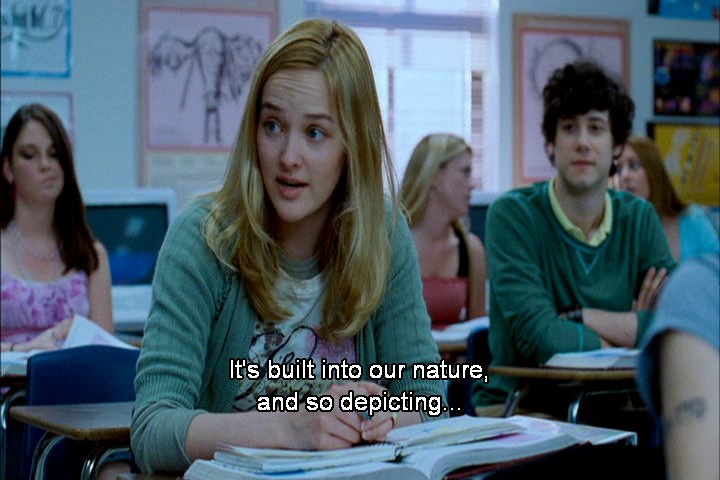
Fundamentally connected to this focus in the film, we also get the disconcerting moment in the film when a sticker has been placed over the vagina (during a sex education course), though not the penis. After the teacher stumbles through why this was done, Dawn says, “Girls have a natural modesty. It’s built into our nature.” In this way, the filmmakers are suggesting that due to Christian/fundamentalist belief systems and other toxic ideological ways of thinking and being (patriarchy, sexist gender/sex norms, “family values”), women’s anatomy and sexuality should be seen as different than men’s, as that which should be hidden, suppressed, policed. The consequences of this are twofold: In terms of sexuality, such a way thinking and being means that women cannot realize their full “species potential,” including of course exploring their own sexual desire in exactly the same way that men can.
Further, by hiding women’s anatomy, this becomes a way to fetishize women’s anatomy, e.g., we turn what should be just seen as natural and normal anatomy into that symbolic “taboo” that then becomes the locus for dehumanizing fetishization-eroticization-objectification.
Finally, I just want to say something about the so-called “vagina detanta” (a vagina with teeth), a way for Dawn to defend herself against toxic predatory men. Obviously, this imaginary creation (the film suggests that this is some necessary evolutionary adaptation) gives women a kind of wish fulfillment against the possibility of toxic masculinity predatory men sexually assaulting them. But such a symbol also creates the impossible-to-deny delight at seeing such men lose the symbol (penis!) of their phallic power, a way for them to experience what women experience, the fear of violation. Such a representational loss perhaps even reflects just how fragile penises are and thus how fragile and even arbitrary phallocentrism is in the first place, this idea that phallic power (represented by the penis) is the center of everything, that which gives toxic masculinity men their imaginary power over women. In this context, the biting off of the penis then has all sorts of allegorical power, from how this should be the direction humanity goes in – not biting off predatory toxic masculinity men’s penises, as tempting as that might be (!) – but rather ending phallocentrism (phallic power) once and for all. And that reflects how Dawn herself could be seen as allegorical as well, her ability to literally emasculate predatory toxic masculinity men reflecting women’s desire for absolute bodily sovereignty and ending phallocentrism.
(40) Jennifer’s Body (2009, Karyn Kusama)
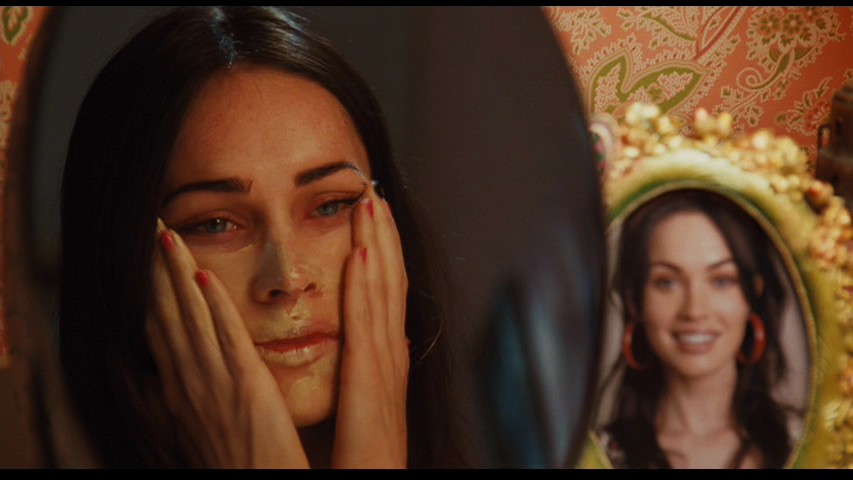
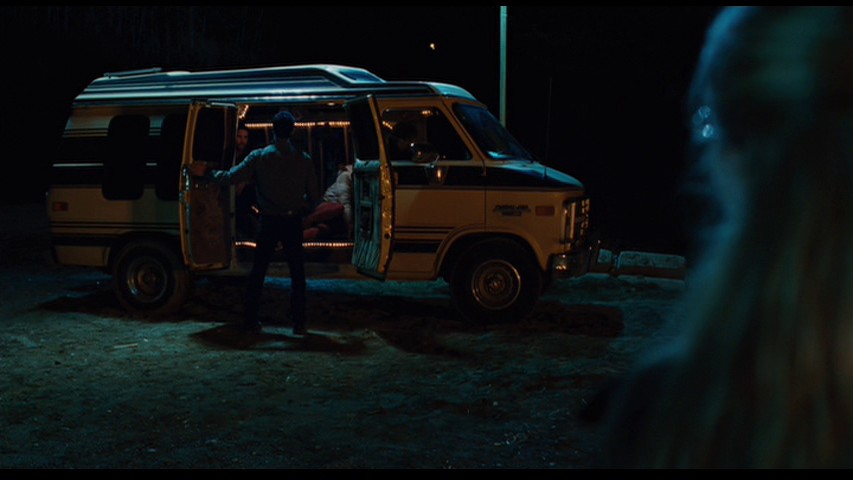
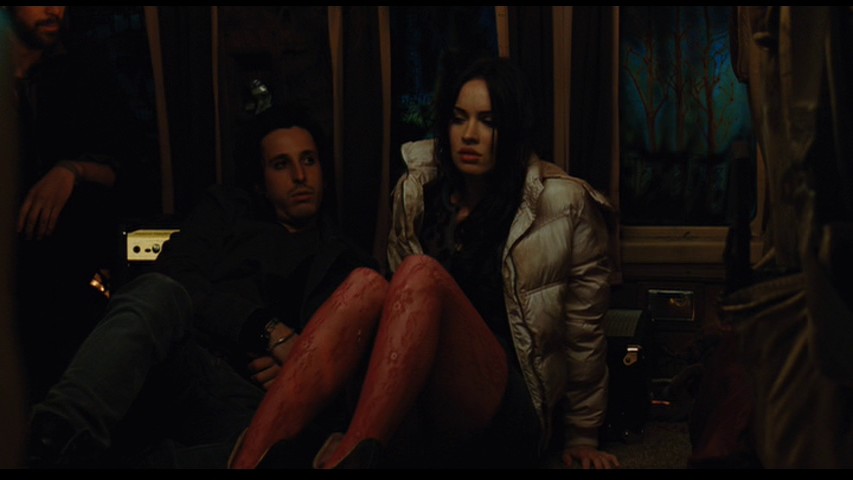
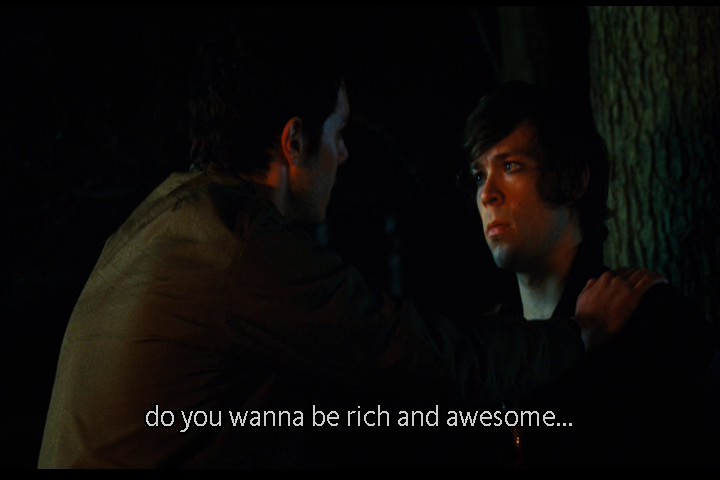
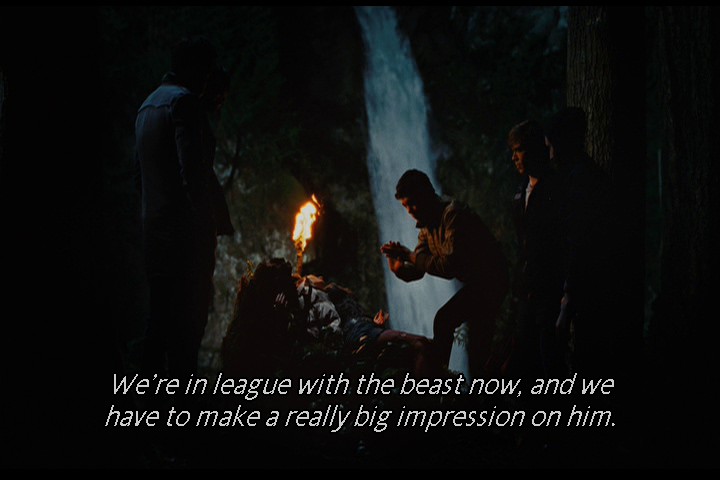
Okay, first of all, it is just criminal that this film wasn’t more of a success when it was first released. In addition to being deep, it is just such a well-written and directed film! Thankfully, it has recouped that loss with a passionate following in the ensuing years. Now, it has become something of a cult classic. In terms of deepness, in my view, though this film doesn’t perfectly get at feminist and especially queer themes, it is still a film that deeply approaches at least feminist issues, not to mention also interrogating capitalism as well. In terms of the feminist element in the film, toxic masculinity (patriarchy, hypermasculinity, phallocentrism, sexist sex/gender norms) is informed by the band Low Shoulder and its attempted “sacrifice” of Jennifer. This scenario becomes the quintessential allegory for how toxic masculinity men see women, as an objectified Other to be violated, to be used by toxic masculinity men for their own self-interest whatever that might be. In this case, the band uses Jennifer as a means to an end, to become rich and famous.
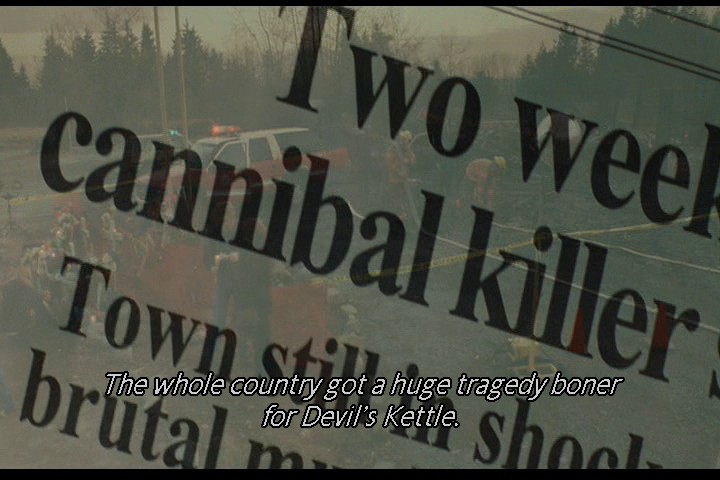
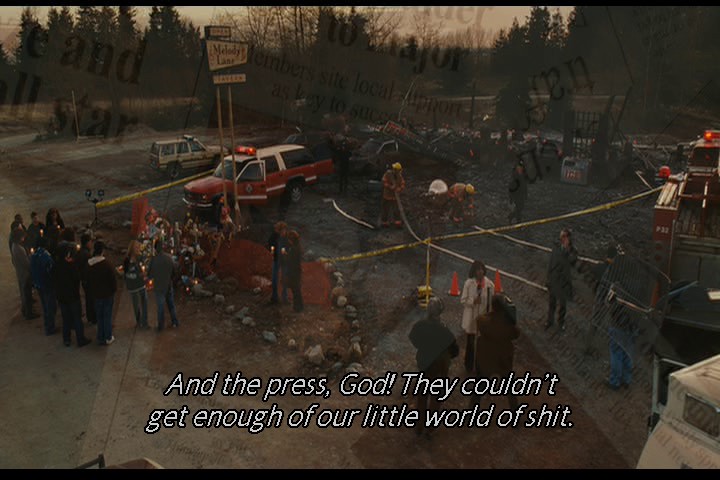
This focus of sacrificing Jennifer for fame and fortune informs the capitalism element as well, how this desire for fame and fortune dehumanizes people, making this pursuit singular, putting it before their fellow human beings. That the citizens of Devil’s Kettle (such a great double entendre with this name!) embrace this heinous satanic band — despite evidence that they are not what they seem — and then reflect a general sensibility of commodifying just about anything, including horrible deaths (by a fire) and murders and even tragedies/grief, furthers this anti-capitalism/anti-consumerism commentary in the film.
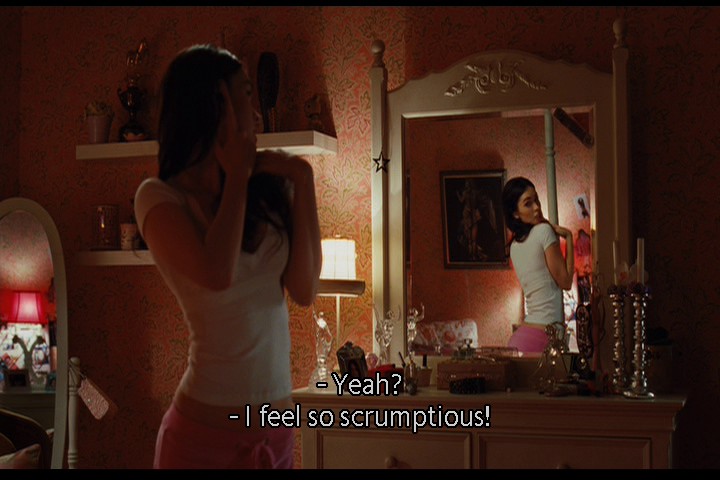
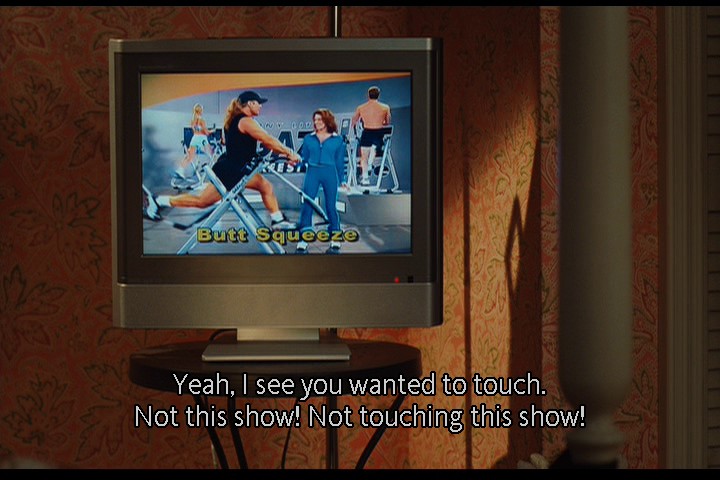
The anti-capitalism focus also informs the feminist focus as well, as the film stresses how women’s bodies are commodified, becoming the site of so much marketing for an unnatural body image, which comes through with many signifiers (see below) but especially with how Jennifer’s “body” is commodified. Indeed, Jennifer’s “body” is that which gives her value and not much else. One of the brilliant elements of the film is the title of the film itself, Jennifer’s Body, a way for us to know even before we watch the film that Jennifer’s body itself will be a focus in the film, with the consumerist/commodification elements in the film then more automatically informing commentary on Jennifer’s body, and, I might add, all women’s bodies since Jennifer becomes a deeply realized allegory for all women who succumb to this type of normalization of how women’s bodies are commodified.
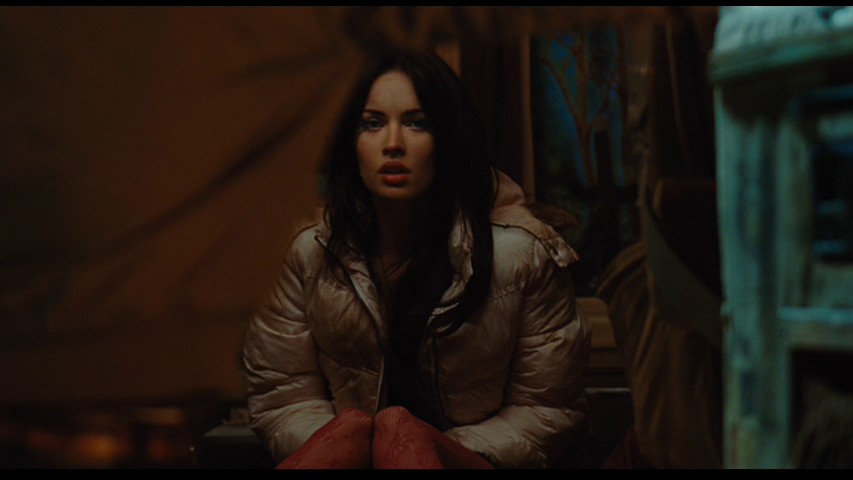
And here that means not just seeing women’s bodies as not sovereign but their psyches as well. That is, women — again, allegorically embodied by Jennifer — are represented in the film as seeing themselves as sexualized objects to be desired, that being their primary way of thinking and being, a deeply dehumanizing thing. That the sacrifice goes awry and Jennifer becomes a demonic succubus becomes part of the feminist thread in the film, as toxic masculinity and capitalism becomes the root cause of turning her into a dehumanized “monster,” though the interesting play here is that while her monstrous state of being registers how women are dehumanized in general (again, objectified or eroticized, etc.), the film also creates an inversion of what women can possibly become, a mirroring of toxic masculinity itself, seeing Others — in this case, innocent men — as Others to be consumed.
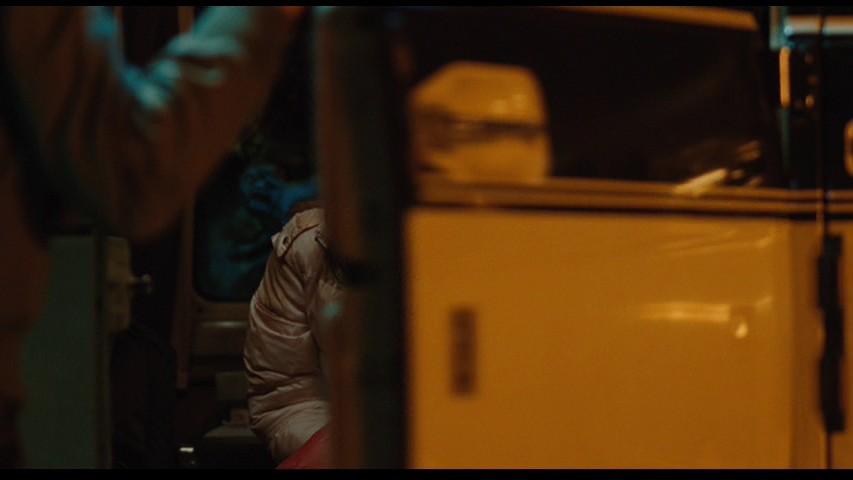
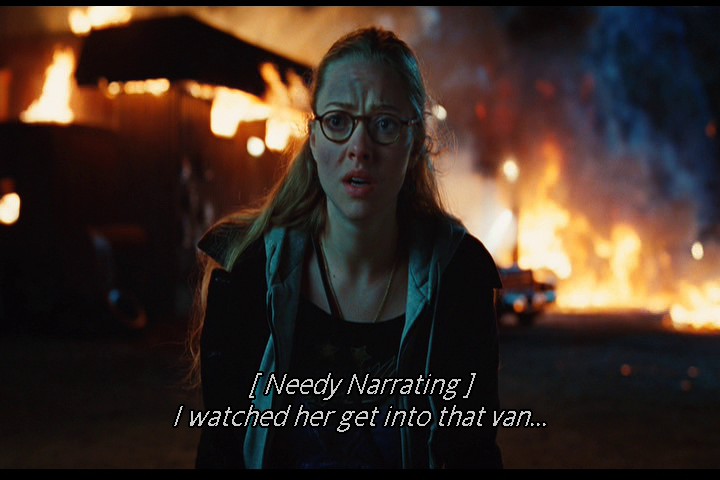
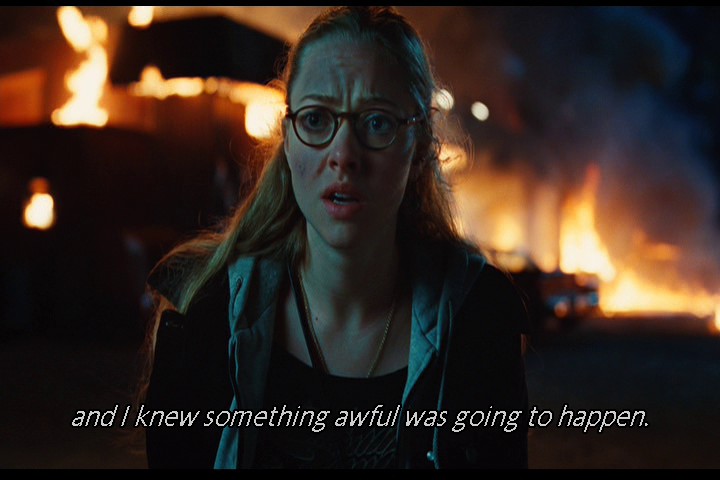
In terms of the queer element, I don’t have much to say about this since I think the queer element in the film is only modestly registered, especially that scene where Jennifer and Needy seem to be ready to consummate a long time simmering desire for each other, but, alas, Needy rejects this pretty quickly. I really wish the creators of the film had just gone for it and made Jennifer and Needy queer, that would have created a much more complex break between the two, not to mention give us an alternative to toxic masculinity ideology and I don’t mean lesbian relationships for women but rather what lesbian relationships can offer all women, an alternative to patriarchy.
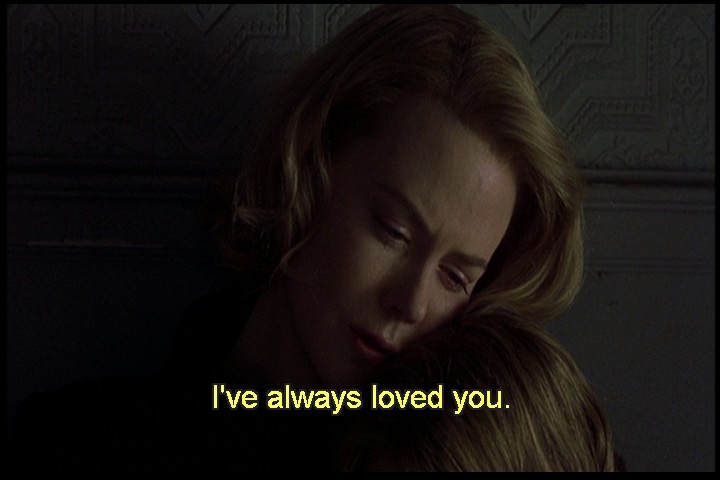
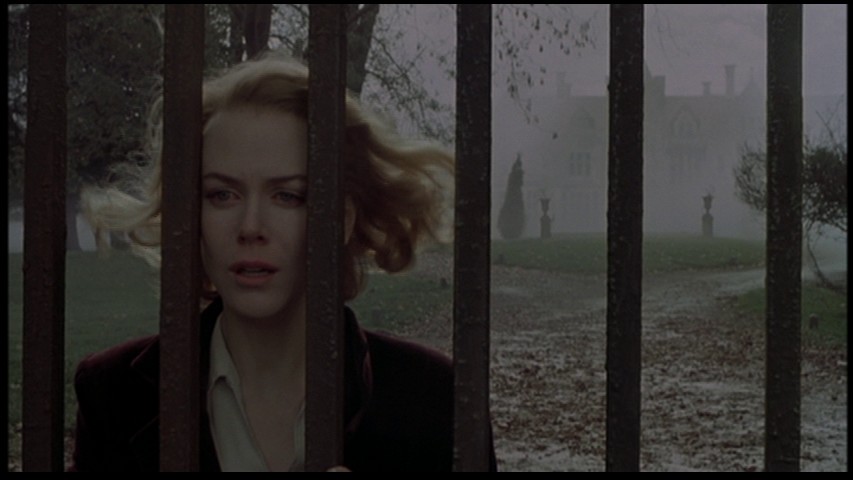
(39) The Others (2001, Alejandro Amenábar)
To my mind, The Others is an undervalued horror film. I think that because it came out in the wake of the enormously popular The Sixth Sense (1999, M. Night Shyamalan), and because of the similarity between the two films, my sense is that people saw The Others as a ripoff at worst or the lesser of the two films at best. However, to my mind, as great as The Sixth Sense is — count me in as a fan of the film – in my view, The Others is the much deeper and more interesting film.
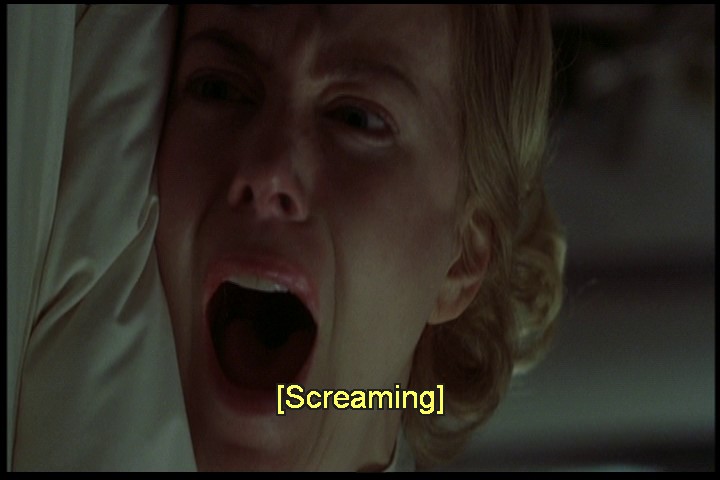
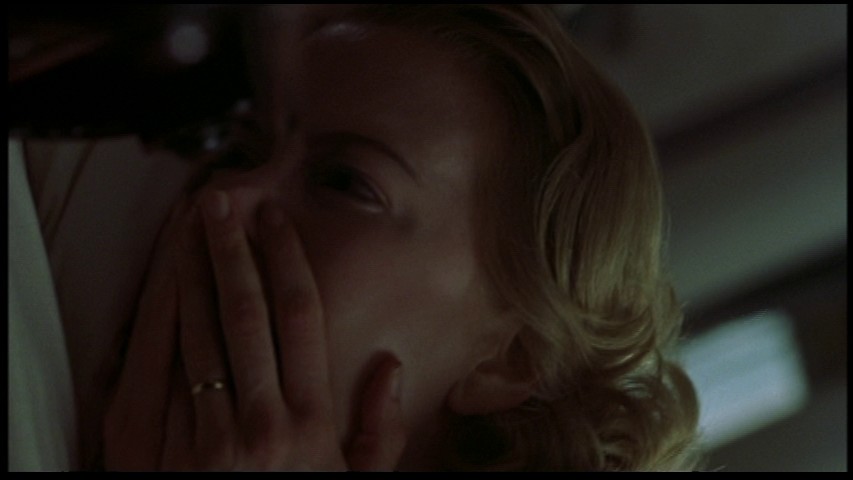
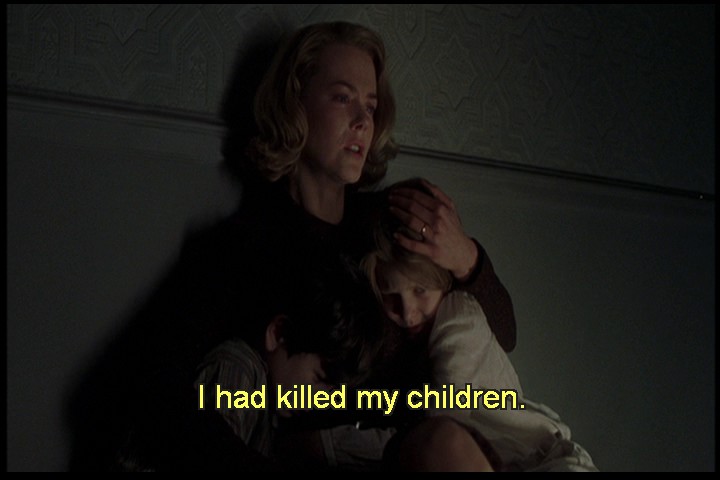
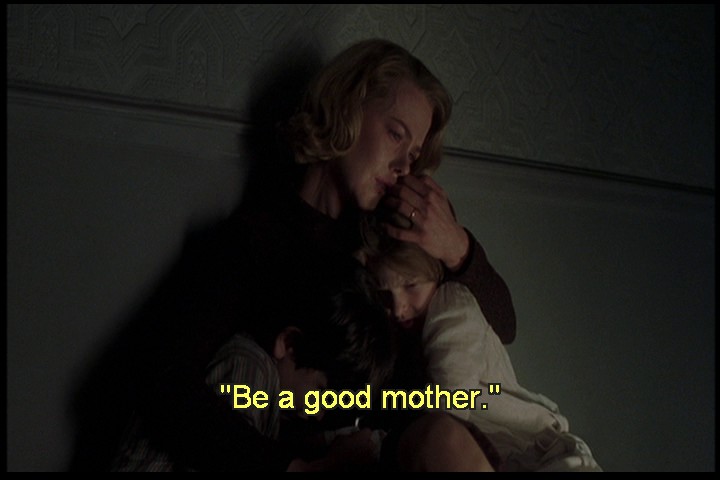
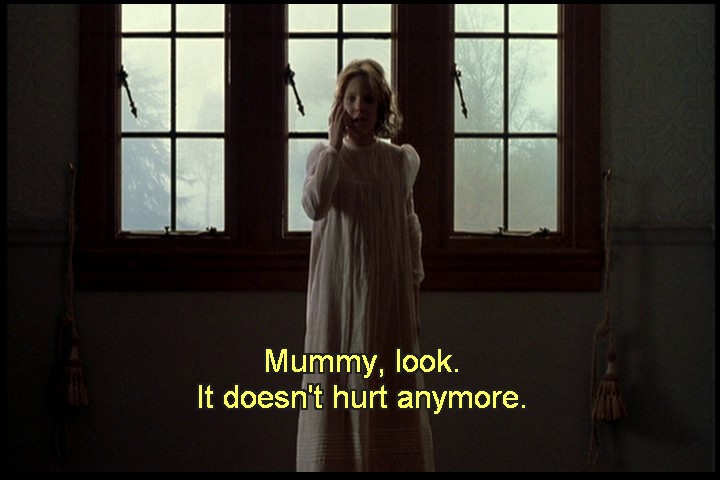
Though the deepness of the film is multifold, the one incredibly radical thing the film does is something so rare in mainstream cinema, explore the deeper implications of mothers who kill their children, revealing that it is the mental illness behind the killings, not that these mothers are “evil.” The film sets up this deeper implication by making it clear that in death — as “ghosts” — the deadly skin sensitivity to light for the children is gone. (Mr. Tuttle also mentions a relative of his whose rheumatism one day magically disappears, perhaps this relative also being among the dead??) The more radical leap the film gets at is that the mother’s mental illness is also gone.
In this context, we see that Grace (Nicole Kidman) is a good, albeit imperfect, mother who cares deeply for her children. We get hints at why she had become mentally ill, her husband (Christopher Eccleston) leaves for war – and apparently doesn’t want her anymore — and she must take care of virtually everything herself, both her children and a mansion of a home. In this context, we get hints that she suffers from loneliness and depression, not to mention living in a house that must be kept dark all the time. Adding to all of this is that she has no neighbors to speak of, and so she has few ways of alleviating her suffering. Indeed, at one point, she calls her home a “prison” she “couldn’t leave.”
The film doesn’t really explore this idea in any depth of course, but just by suggesting that it is Grace’s mental illness that kills the children not Grace herself is deep enough. In our society, we still don’t fully grasp this vital point, that we are slaves to our cognitive state of being, whatever that might be, and if one is mentally ill, then that will dictate choices made.
In addition to this element, there are a couple of other interesting deep points. First is the important stress that the afterlife seems to eliminate class hierarchy, with the “servants” only playing along until they finally end their facade and exert their power, the ending suggesting that there is no longer a master-servant sensibility and equality prevails. In this class consciousness framing, we see what should be, ending class hierarchy.
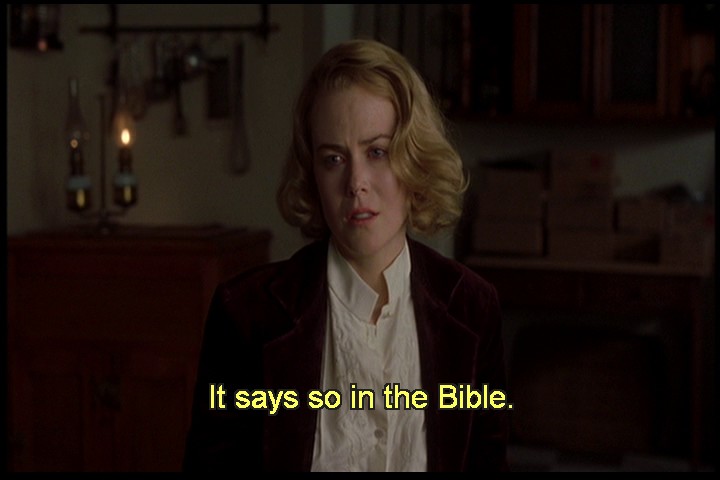
Finally, we get another provocative radical bit, Anne questioning the “truth” of at least some stories in the Bible, a way to question everything we think about, well, at least the Christian belief system.