Full Length Blogs Coming: For the top tier of my list, I am just going to write short blurbs for now (or, well, relatively speaking since a couple of my entries below have longish blurbs!). For films I have not already done that for, I am going to eventually write full blog posts for, so these short blurbs are a stand-in until I do that. Stay tuned.
(29) Midsommar (2019, Ari Aster)
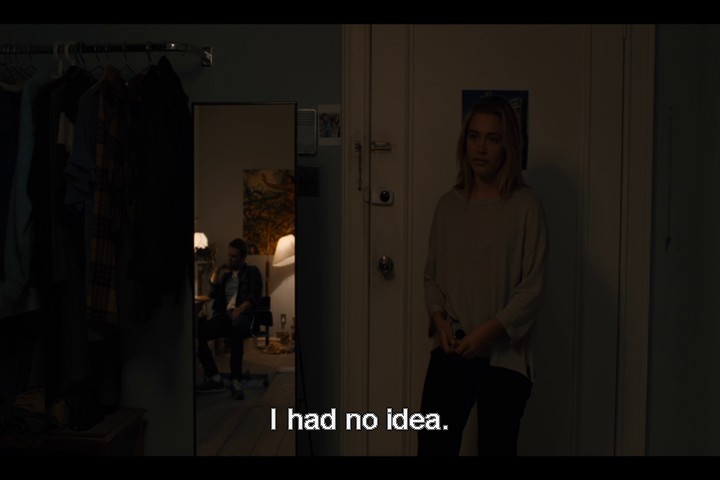
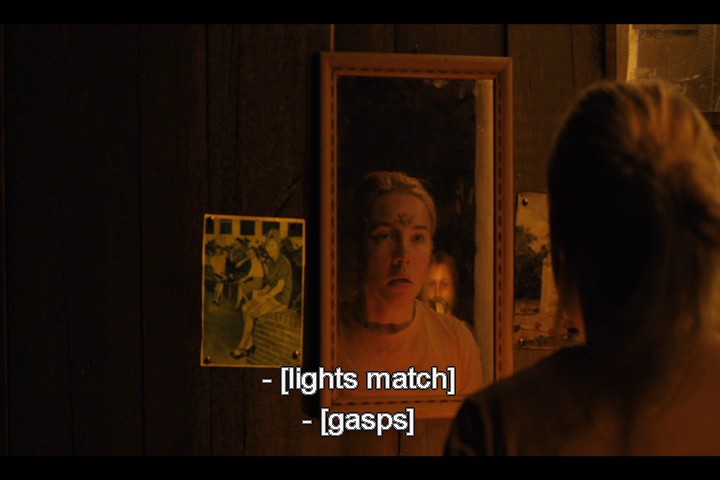
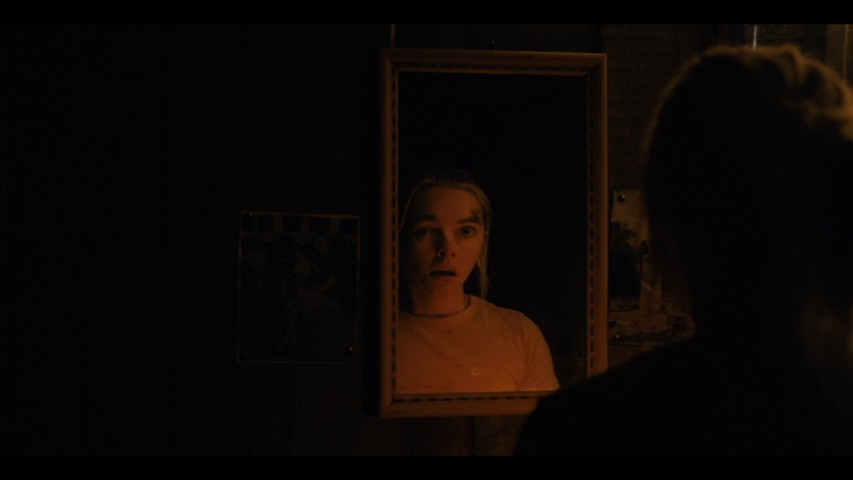
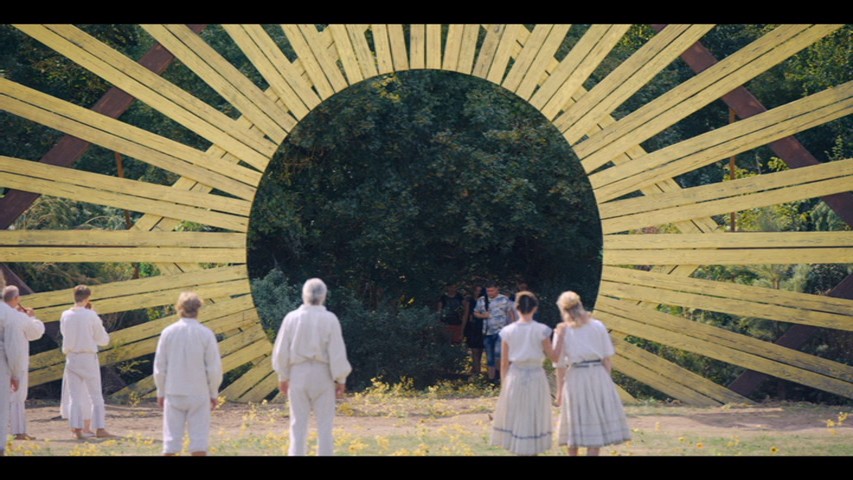
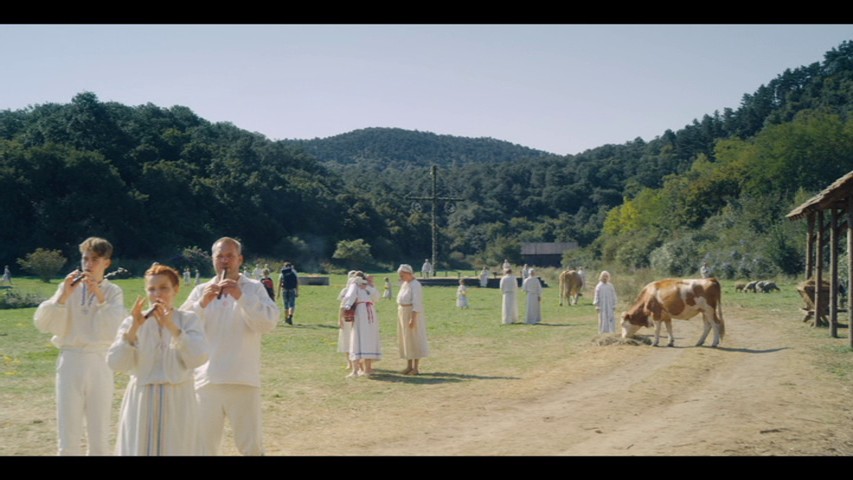
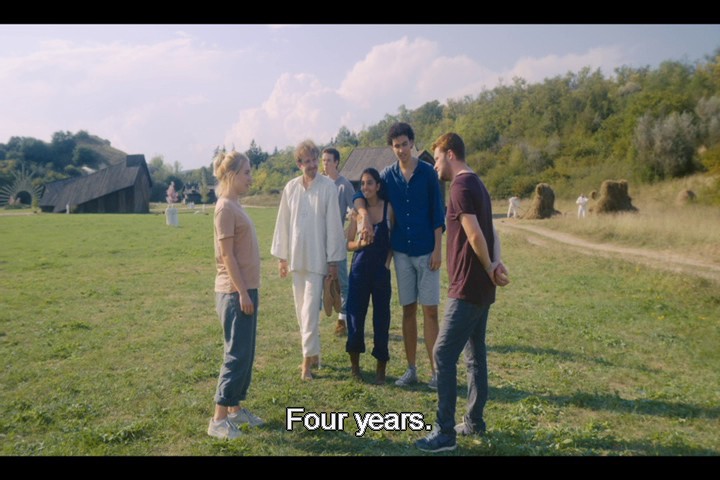
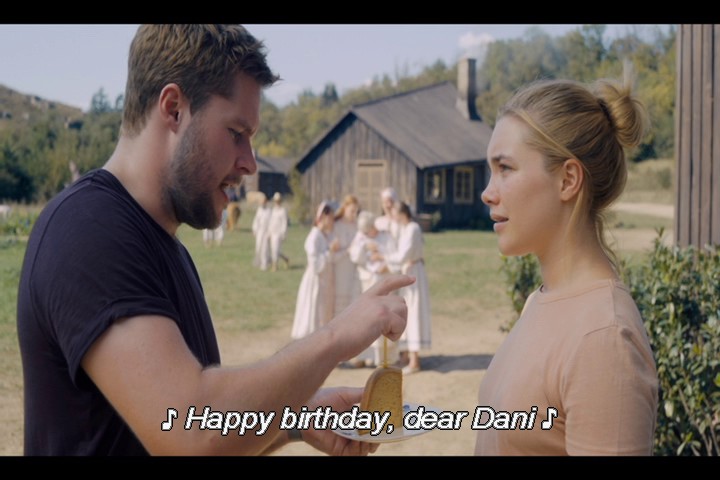
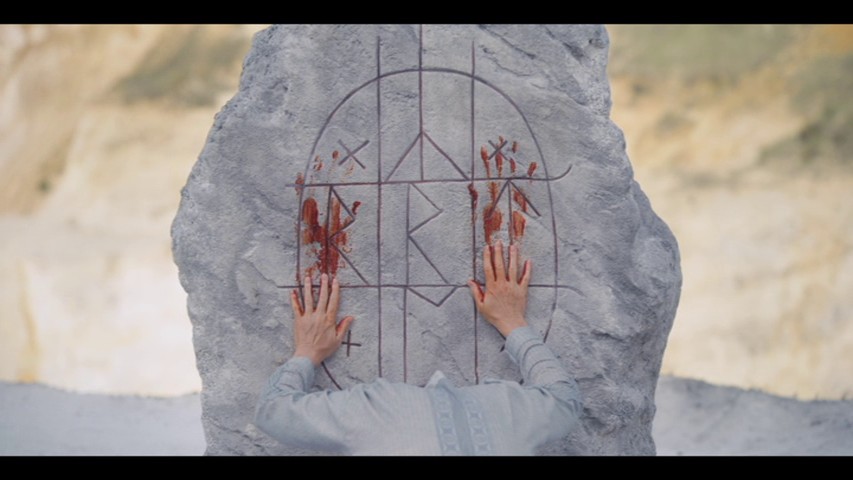
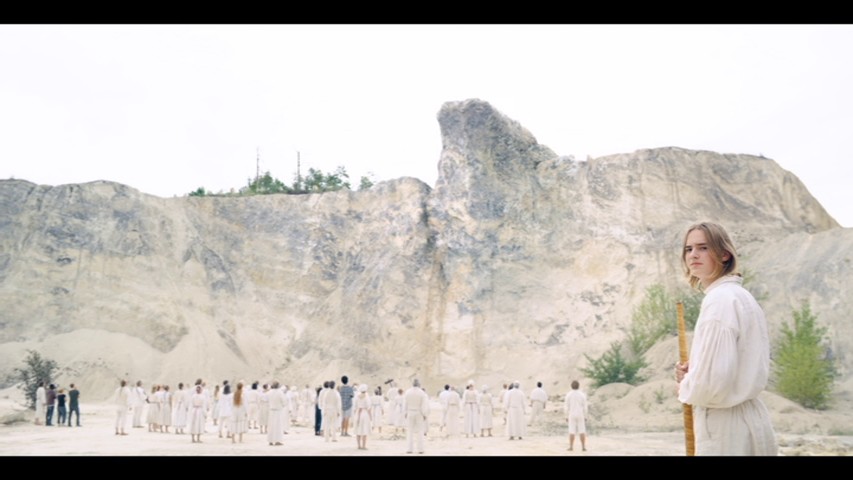
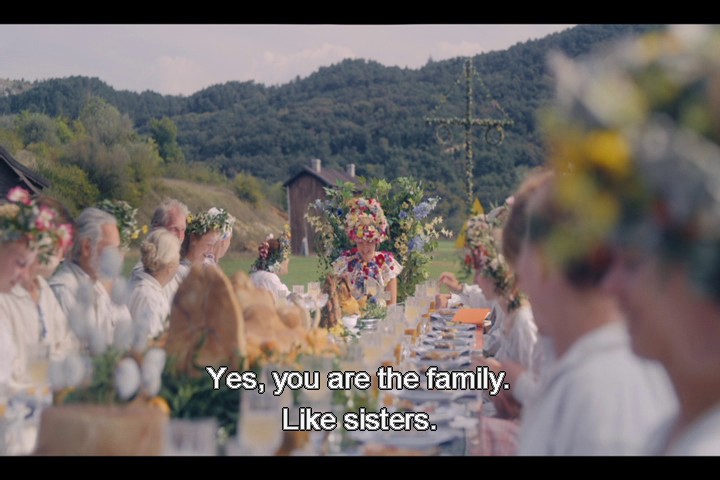
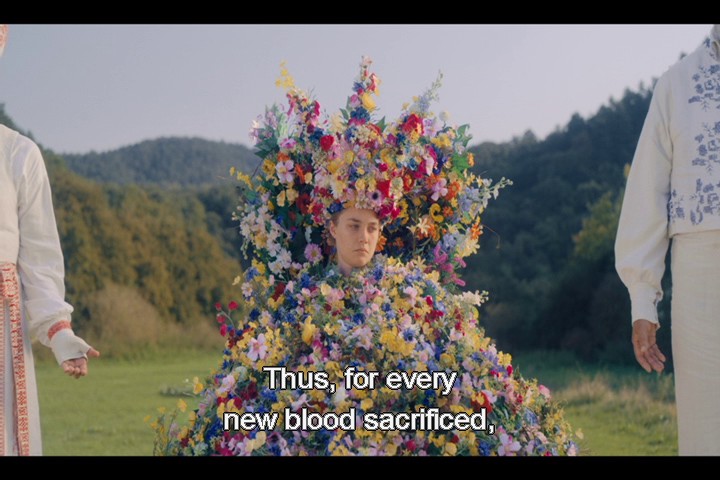
I must confess that I have a weak spot for cult films. Midsommar is a particularly interesting cult (horror) film, for it both reflects the nature of cults – especially in how they dictate how to think and act, even if the act is murdering others – and reflects certain aspects of the human condition in general. These two ideas are especially encapsulated in the moment when Pelle (Vilhelm Blomgren) begins the indoctrination of Dani (Florence Pugh), him speaking to her traumatic loss and lack (loss and lack of family), Dani having lost her entire family and lost them in the most horrifying way possible. Pelle asks Dani if she feels “held” by her boyfriend Christian (Jack Reynor), if he “feels like home” for her? In this way, we can see how seductive cults are, targeting the most vulnerable people and offering them appeals that heal their wounds, the result being that such healing and unconditional support becomes so vital that they will willingly give away their sovereignty of being, even if it means acts of killing.
Moreover, the film gives us a kind of “return of the repressed” of humanity in general. This is a bit complex, so let me try and unpack what I am getting at here.
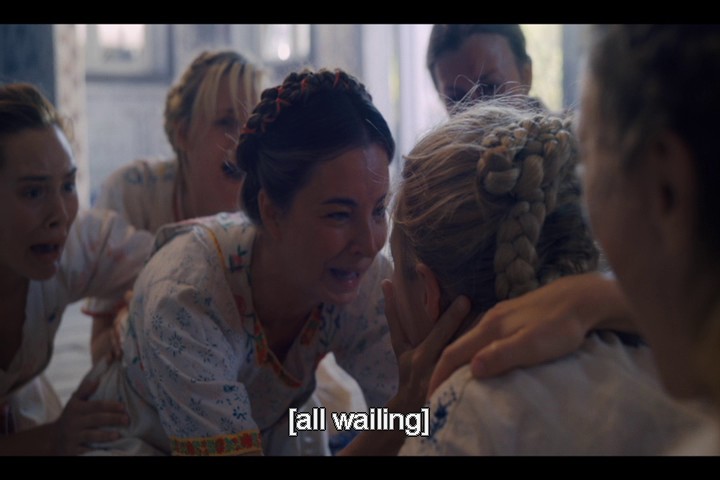
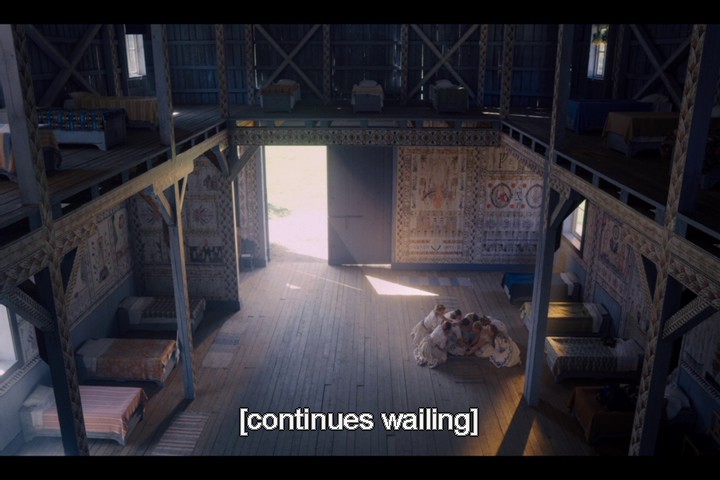
What’s so disorienting about the cult in this film (called Hårga) is that in many ways, they are ostensibly the ideal of what humanity should be (hang with me here!), a collectivized tribe who unconditionally support each other, empathize with each other, act for the good of the tribe not individual self-interests. Further, their religious belief system also seems to give them meaning and purpose in life, a crucial way to find fulfillment and happiness. In an interesting way, the positive (false) gloss of this cult is a kind of “return of the repressed” in that I think most of us would like a society that is like at least the surface level impression of this society. When the women viscerally mirror Dani’s intense and deeply felt pain and trauma (from the unfathomable way she lost her family), we can recognize just how powerful such a validation of her pain and suffering is, something we could use a little more of in a society that is becoming more and more unempathetic to the plight of the suffering of others.
Of course, the problem with this picture though is that what this cult gives Dani, or anyone who falls into its grip, is almost certainly fake. We know this because of just how duplicitous they are in just about every way possible, from Pelle and other cult members pretending to be “friends” and lying to them, luring them to their doom, to how the cult members manipulate and lie to the outsiders at every turn, a way to both keep them there and pacify them, have them drop their defenses so as to more easily slaughter them. Moreover, their psychopathy is on display in so many ways, not just in terms of murdering Others, but in terms of how they so horribly torture Simon (Archie Madekwe) – when Christian finds his body, horrifyingly he seems to still be breathing (!) – and how they indoctrinate their own members to accept unnecessarily killing themselves.
It is this latter point that especially spells out what we know about cults, how the collective is also a homogenized mass, the cult members sheepishly following the will of the tribe whatever that might be, including justifying killing people. Individual will is elided and people live not for self-determination and self-actualization of the self, (or, well, relatively speaking since we hear that cult members do seem pushed in directions that reflect their character and talents) but rather conform to the dictates of their twisted belief system.
The other part of the “return of the repressed” is just this, how this façade of benevolence by the cult members hides their predatory REAL, much like we see in the world today, in terms of (right wing, moneyed interest) politicians, (sociopathic) wealthy elites, CEOs, Wall Street executives, and yes religious figures, to name just a few group of people. Indeed, I wonder if we can make the leap to other religious belief systems and see similar sensibilities, perhaps not murder but certainly the same homogenized (sheepish) sociopathic falling in line and indiscretions (intolerance of Others) and even crimes against humanity (sexually abusing children, etc.), we can see how all religions could be seen also as “cults,” their dictate to followers being that they obey religious and political dictums, even when it means harming Others. And of course, like the Hårga cult, religions appeal to people via exploiting some need in them.
Finally, this cult echoes the REAL of other religious belief systems in a crucial way, its beliefs based on the toxic ideology of patriarchy, with genders/sexes taking on traditional roles and duties, including of course procreating. Of course, this cult is also obviously racist, most obviously punctuated by how it will use Christian for procreation but won’t use Josh (William Jackson Harper) for that end.
Some other thoughts:



(28) Pearl (2022, Ti West)

I had a mixed reaction to the other two films in the trilogy, X (2022, Ti West) and MaXXXine (2024, Ti West), but I really love Pearl! I thought this film was just so deep and complex, both in terms of its deep meanings and its use of the cinematic apparatus. In terms of the latter, as so many have mentioned (including Martin Scorsese!), the use of color in particular just pops, especially the blood red, the red becoming more than just a signifier of literal violence in the film or more pointedly, the person causing the violence, Pearl (Mia Goth). Indeed, the film compellingly argues that the literal violence that Pearl enacts on others stems from a deeper violence to the self. That is, the film’s focus is on the many facets of Pearl’s alienated self, from her isolating and dead-end rural existence to her oppressed femaleness to her mother (Tandi Wright) using her prim and proper and work ethic (austere) Christian beliefs to try and keep Pearl yoked to the oppressive role she is expected to inhabit. Her “dance” with a scarecrow — one of many interesting analogies to The Wizard of Oz — is too precious for words, the moment both macabre and resonating, stressing Pearl’s own empty existence.
Also, Pearl’s single minded desire for fame becomes a core commentary for so many who misguidedly think that (fame, celebrity) pursuit will fill one’s emptied-of-meaning alienated existence, when, in fact, that is just trading one emptied-of-meaning existence with another. Of course, when one invests so much of one’s self in a goal that is probably not attainable, such a loss can be shattering to the self, which we see play out with Pearl’s breakdown. The greatness of the film is in both playing out these very real and disturbing realities for poor Pearl (at least I couldn’t help but sympathize and feel sorry for Pearl!) and keep us not sympathizing too much with her, to the point where we realize that she really is a dangerous psychopath, which we get even before she starts killing people.
I’ll leave it at that for now (I’m going to do a full length blog post on the film at some point), but I must add one other point here, Mia Goth’s performance is really just stunning (she should have been nominated for an Academy Award!). That ending moment when director Ti West just holds Pearl’s reaction to her returning husband is just a shattering moment, her facial expression registering the many layers of Pearl’s interior torment.
(27) The Lighthouse (2019, Robert Eggers)
So, when I first watched The Lighthouse, I didn’t really like it, found it an unpleasant film to experience. However, upon repeat viewings, the film also becomes an incredibly rich text with many deep and interesting readings possible. For now (a longer blog post is coming), I just want to focus on what is for me the most interesting deeper meanings in the film.
The film potently and horrifically reflects the unraveling of a mind, filmmaker Robert Eggers using many signifiers to speak to various facets of this unraveling. Ephraim/Tom (Robert Patinson) has killed a man and the guilt of that killing follows him to the lighthouse. While the film can at least initially be seen as a “realistic” depiction of this unraveling, Eggers soon breaks reality down, a reflection of Ephraim/Tom’s descent into madness. The filmmakers register and define Ephraim/Tom’s madness in many ways:
*Ephraim/Tom’s fragmentation: We get this with his two names (Ephraim Winslow/Thomas Howard) and a moment when we see two Toms. My sense is that Tom (as I will call him from now on) is fragmented both because of his guilt of the murder of Ephraim and the guilt of his gay desire. These complex “guilts” are literally tearing him apart.
*Taking on Ephraim’s name: I think Tom takes on Ephraim’s name because Ephraim represents something more pure and meaningful, purity here signified by Tom’s view of Ephraim as “clean”; he is in effect trying to escape from himself.
Thomas Wake: Thomas is a complex allegorical figure, representing multiple significations, including a punishing (patriarchal) father figure and the object-cause of Tom Howard’s desire.
I should add here a facet of this relationship that few mention, how Wake also represents the capitalist to Howard’s working class. Wake horribly oppresses Howard (perhaps part of the “punishing” element), pushing him to work harder less he “dock” his wages. Howard can do very little to please Wake, even though we ostensibly see him work as “hard as any man.” That he holds the “key” that bars Howard from the “light” (the highest level one can ascend) also reinforces this reading of Wake as the elite gatekeeper that prevents Howard from rising to a higher status.
Lighthouse: The lighthouse is a complex symbol, one that represents what theorist/psychoanalyst Jacques Lacan called “objet petit a,” that object-cause of desire, the belief that attaining the “light” will somehow make one “whole.” Thomas Howard projects onto Wake keeping the light for himself the light having otherworldly powers that will be the answer to all that ails him. In this context, the light becomes a stand in for all of us, the belief that we could be “whole” if only we could we could…fill in the blank. That Wake keeps the “light” for himself makes the “light” (the lighthouse) a phallic symbol as well, Wake’s real (phallic) power stemming from being the only one who can be in charge of the “light.”
This cursory analysis leaves a lot out (the one-eyed seagull, the mermaid, the Greek mythology references) but I’ll leave it at that for now.
(26) The Purge (2013, James DeMonaco)
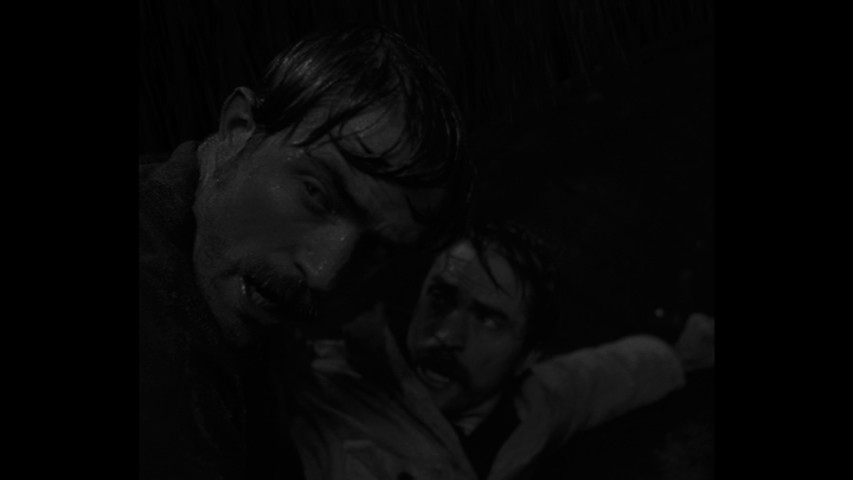
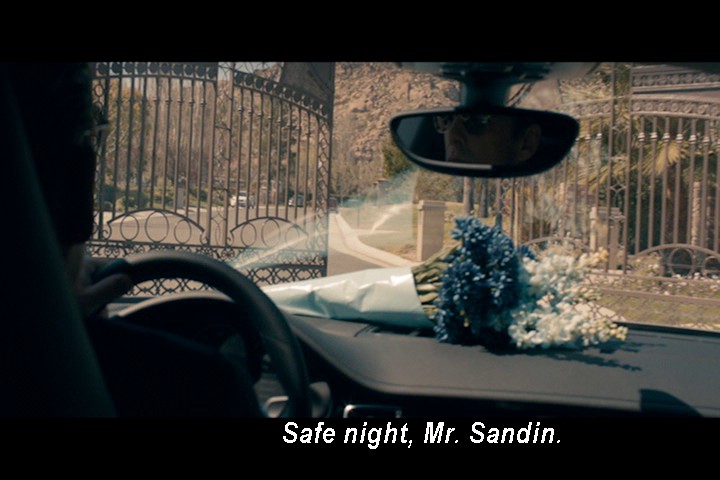
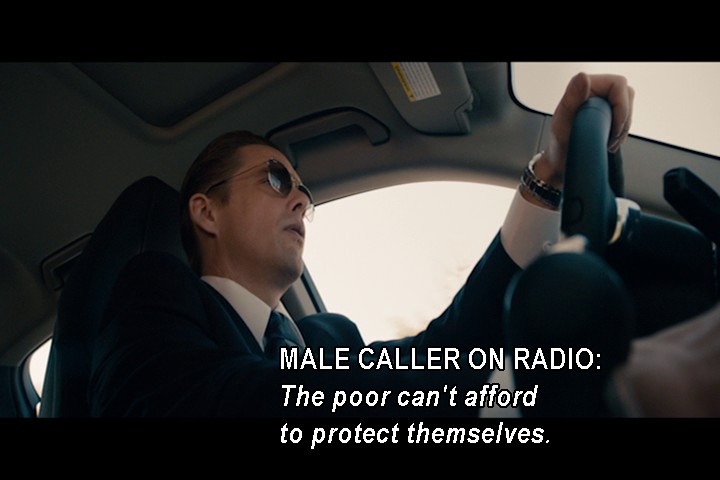
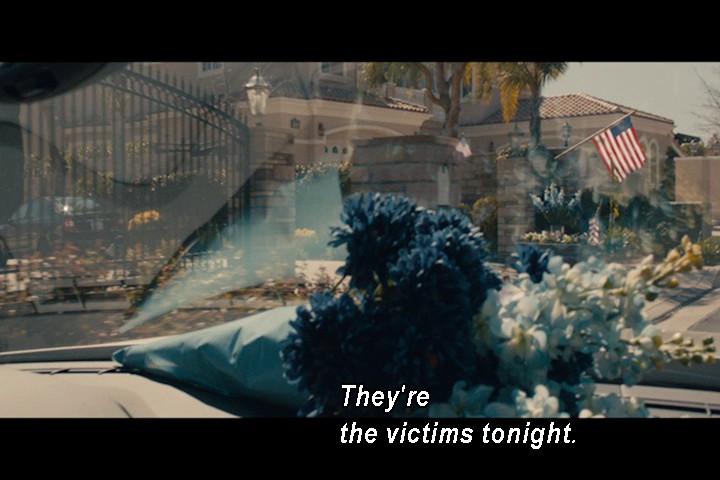
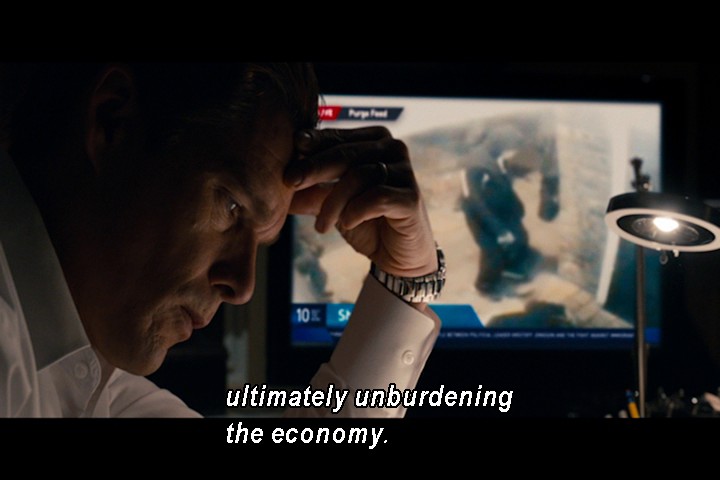
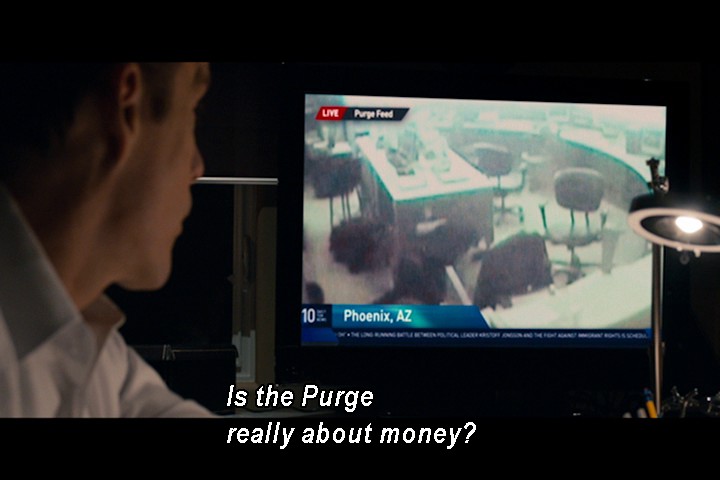
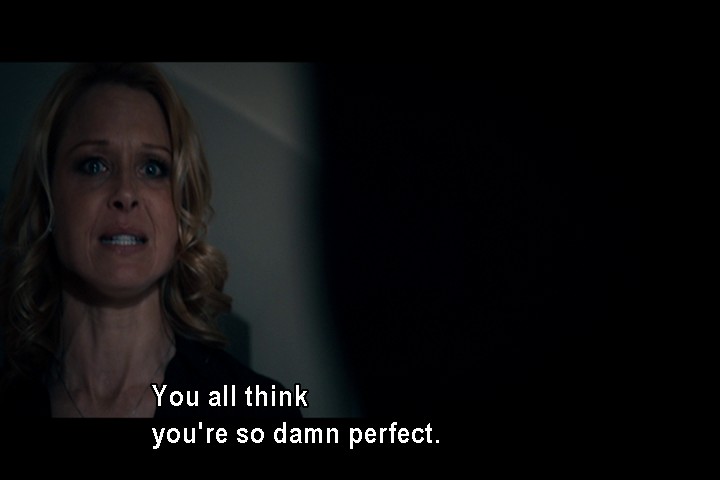
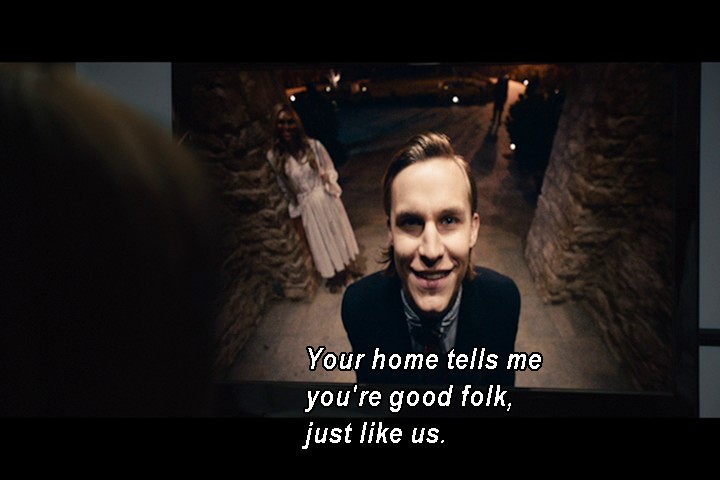
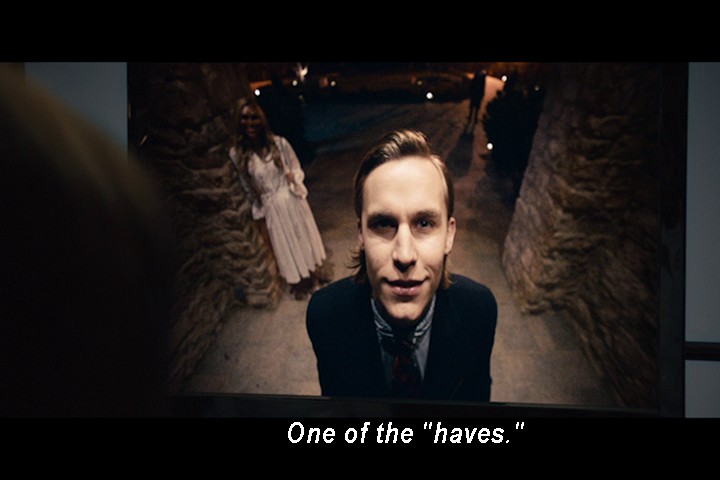
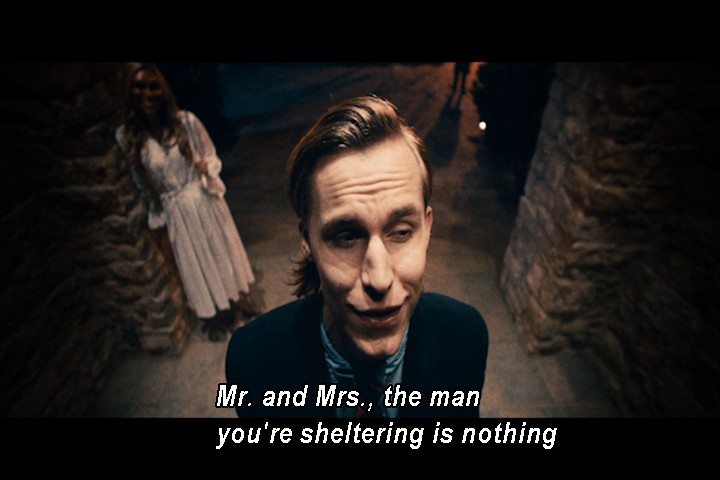
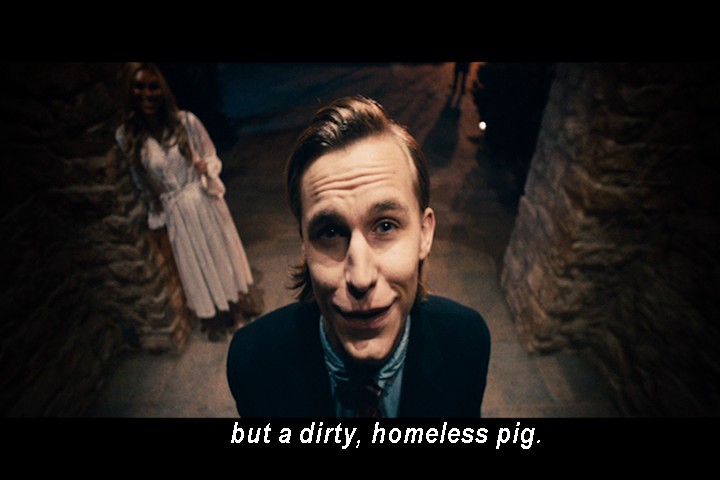
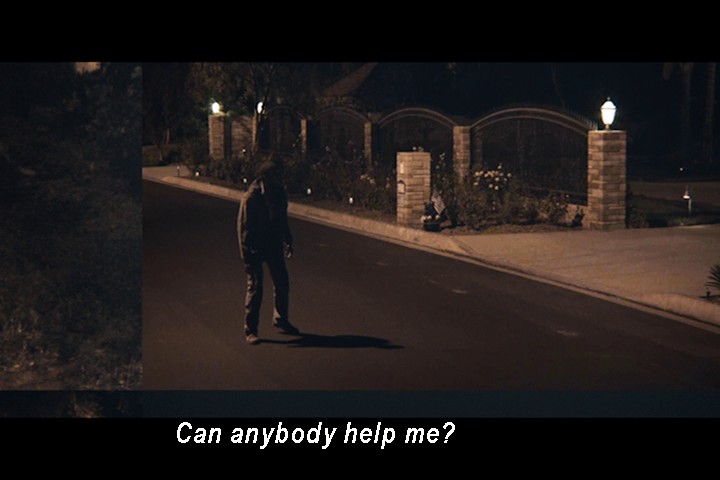
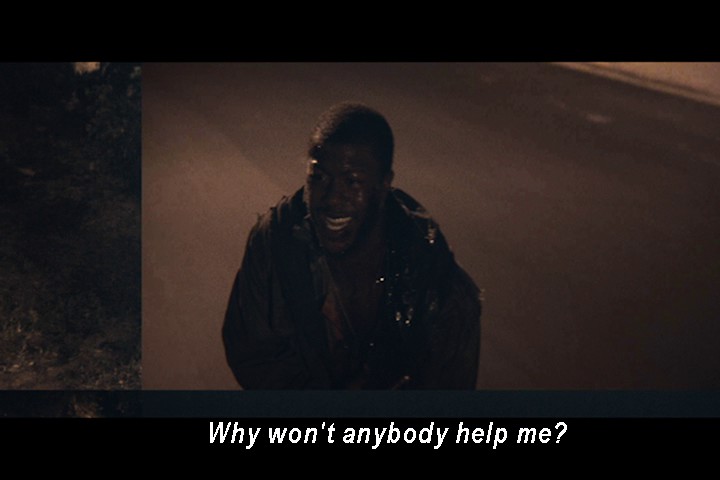
Despite some of the glaring flaws in the film (when the masked “freaks” break into the home, the film is loaded with contrivances), The Purge really does feel like a film for our dark times, a didactic (nothing wrong with the didactic!) satire-horror-science fiction film with real bite. Of course, the whole pretense here – that America, on the verge of economic and societal collapse, turns to the most barbaric and vicious solution possible, letting people exercise their interior angst and act as unlawfully as they want, including even mass murder – is thankfully implausible (!) but then that’s not the point of the film. The point of the film is to use this satirical pretense (not unlike other great satires such as Jonathan Swift’s famous “A Modest Proposal” and Stanley Kubrick’s Dr. Strangelove) to explore the deeper issues of America.
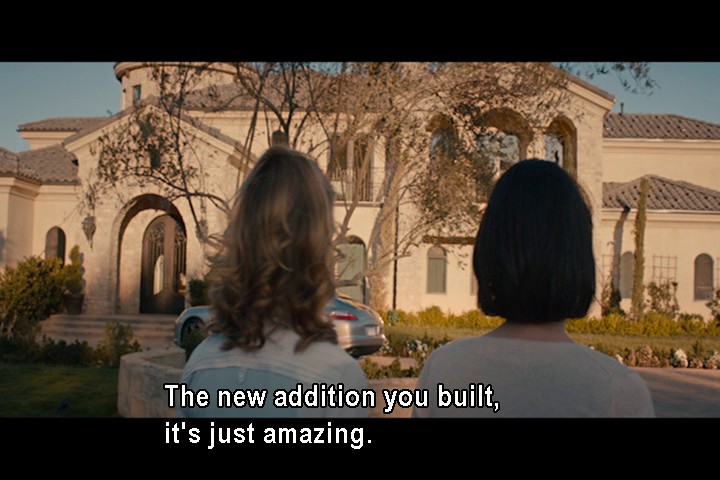
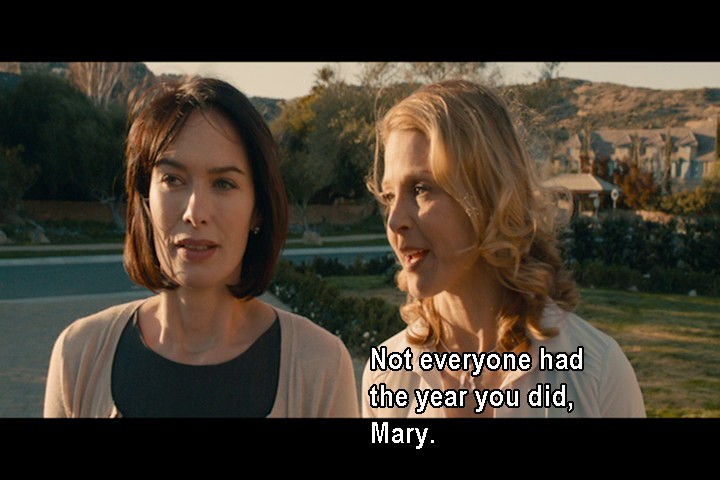
I’m working on a longer blog post for the film, but for now, the truly startling facet of this film is on its deepest and most important focus. Seldom does a mainstream film come along that just outright targets the toxic ideology of capitalism, an economic system/ideology that is mercenary, predatory, dog eat dog, survival of the fittest, putting (more and more and more) profit and economic growth before people and the planet. In this context, the film focuses on the REAL of this toxic system/ideology, including how it literally makes the lower income poor disposable, how it creates so much animus between individuals (that very real “keeping up with the Joneses” sensibility), and most importantly, how a mercenary, predatory economic system/ideology can turn people into mercenaries and predators.
In terms of the latter, when one’s whole focus in life is on material wealth and consumption, that leads to reification, people putting more stock in material pursuits (wealth accumulation, stimulation fixes, material possessions, etc.) than other people. In other words, capitalism can turn people into sociopaths, which the film represents so well, from the extreme (the “freaks” in the masks who wholeheartedly participate in the “purge”) to the slightly less extreme (the neighbors whose hate for the family translates into killing them) to the more subtle, the family putting their material lifestyles and elite privilege before their humanity.
Finally, I just must say something about how the film does something also remarkable, a deeper implication of our very cognitive dissonance, how we can actually normalize that which should not be normalized. Though I can’t believe we would ever get so degraded as to actually do something like “the purge,” the film’s exploration of normalizing horrific modes of thinking and being reflects on how we do just that on a daily basis, and the list is a long one – I can only touch on a few examples here, for the date of this writing — accepting enabling genocide in Gaza; accepting sweatshop labor to feed our consumption addiction; accepting a growing homeless population who suffer on a daily basis; accepting a class system where we continue to re-distribute wealth to the top 1% while millions go without and suffer on a daily basis; accepting a “rape culture” (including a massive pornography industry that has some truly reprehensible material); accepting the wholesale devastation of our planet, and not just from climate change but from other ecological crises.
The most present and obvious example of this is what is happening today, unfathomably, Trump getting ushered into the presidency once again, bringing with him fascism and oligarchy. The depth of oppression and suffering that this dangerous sociopath is unleashing on our country is extremely disturbing, a dystopian reality that really isn’t a far cry from the alternative reality of The Purge especially when we factor in what amounts to a “purge” of our “immigrant” and refugee population, Trump and white supremacist Stephen Miller lawlessly committing horrible crimes against humanity abuses and atrocities (including killing them and “disappearing” them to lawless countries not of their origin) on our fellow human beings.
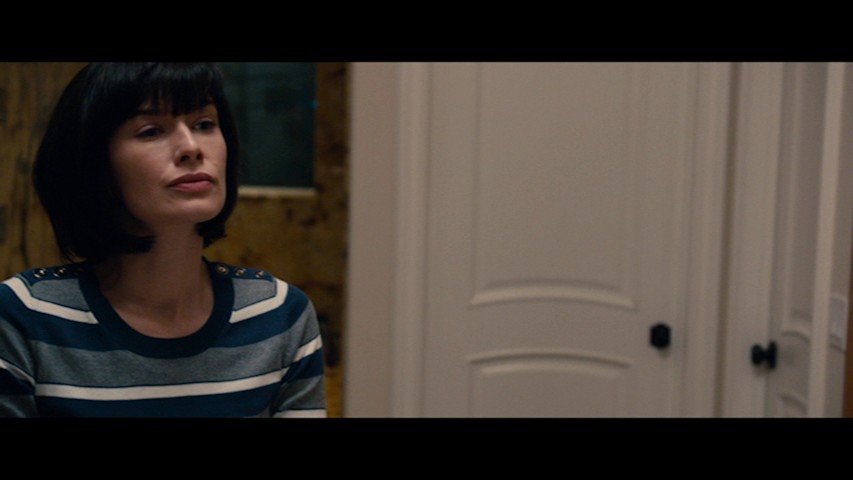
(25) The Fall of the House of Usher (2023, Program Creator Mike Flanagan)
Excepting Usher, I have mixed views on all of Flanagan’s ambitious horror series. In this context, for me, Usher is the exception to his work, a mostly complete and brilliant and thoroughly deep series. Second, in this regard, Usher is so freaking full of deeper meaning that it is a bit overwhelming to write on. In this regard, I plan on writing a full blown blog post of the series at some point, so, for now, I’ll just touch on some key points:
For me, the series’ deepness stems from being one of the most devastating representations of capitalism that I have ever seen. From beginning to end, the series gives us illustrations of why capitalism – and its corollary consumerism – are thoroughly toxic, embodying Thanatos, the death drive. In this regard, Flanagan taps into what is just so ripe for commentary and allegorical horror representations, and that is because capitalism is in effect its own horror show, a predatory, mercenary, dog eat dog, survival of the fittest economic system/ideology.
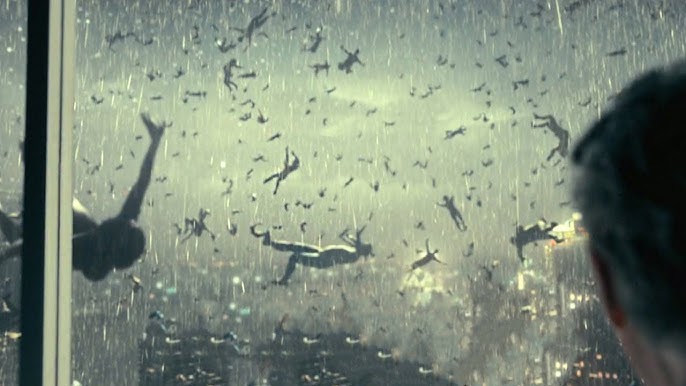
The climax of this focus comes in an extremely disturbing but spot on image at the end of the series, bodies raining down past the window of Roderick’s corporate headquarters. The raining bodies, made manifest by Verna (Carla Gugino), represent the sea of dead people in the wake of Roderick (Bruce Greenwood) and Madeline’s (Mary Mcdonnell) pain medication, Ligodone. This drug, this drug corporation, and these wealthy elites (the Ushers) all take on allegorical signification, representing other drugs and Big Pharma and wealthy elites who have put (more and more and more) profit and economic growth and wealth accumulation before people, the implication being what we get here, that millions have died from corporate malfeasance/greed.
The Ligodone/Big Pharma thread in the film is the core of this (anti-capitalism) allegory but the series goes much, much deeper than that, becoming a kind of tapestry of why capitalism/consumerism is toxic, which, again, I can only touch on here. That is, in addition to the ever permeating attempt to sell more and more drugs for profit (creating dangerous drugs, unnecessary drugs, overpricing drugs, etc.), we get how corporations generate toxic waste (and often disposing it in illegal ways), manifest unethical human trials for drugs and experimental medical products/treatments, create unnatural and unnecessary “beauty” products, and use media discourses to produce slanted or alternative reality “news.”
And there this is this moment, one of my favorite moments in the series:
The killing of Camille (Kate Siegel) is just so telling, in effect Verna becoming a chimpanzee, her killing tool of choice. She imitates the movements of the killing chimp, a chimp whose experimentation has made it more psychotic, her imitated movements in effect making “her” the chimp, thus making “her” the voice of the chimp, though I would argue, because of what “she” says, “she” becomes the voice of all animals. Just before killing Camille, Verna says, “human beings doing [experimentation] to so many other species” and that “90% of trials fail” and that a lot of animal experiments are for superficial products such as “lipstick, dandruff shampoo.” In this way, the filmmakers give us yet another way that capitalism is so toxic, perhaps the most toxic ideology of all, in how it will make other animal species disposable, using them in the most cruel and inhumane ways just to make (more and more and more) profit and economic growth and wealth accumulation.
In addition to the above, the series does something else to show us just how (self) destructive capitalism/consumerism is, in how it in effect actually denies people from self-actualizing themselves, instead becoming the embodiment of capitalism, empty shells of human beings who only live for their capitalistic and/or hedonistic (self) interests, which, not only denies people from becoming actualized, it creates a sea of unempathetic, sociopathic people, a kind of epidemic of diseased minds.
Finally, I just need to touch on Verna and what “she”/it is, just such a fascinating character, one who has shot into one of my all-time favorite characters! The interpretations of Verna seem to range from “her”/it being Death or a demon or Satan, to even perhaps being God itself, or perhaps an emissary of God, an angel. The Satan reading seems to fit best, since the initial “bargain” Verna makes with a young Roderick and Madeline certainly fits the classic Faustian bargain, sealed with blood. And the fact that Verna doesn’t seem entirely evil doesn’t necessarily negate this reading, since readings of Satan are varied, from making Satan pure evil to just a fallen angel who is misunderstood. In any case, my reading of Verna is somewhat different.
For me, Verna is just simply a mysterious, vague preternatural otherworldly figure, but since we can never be sure of such things, she remains a vague abstraction to which we can apply whatever name we want to for her. That she is so associated with animals (of course a raven – as so many have noted, her name is an anagram of raven – but also a cat and chimpanzee) perhaps suggests an entity more transcendent, representing a kind of Mother Earth/“Great Spirit” type of figure.
Whatever Verna is, the important point is that she is an “outsider” (not human) figure, important because as we get sutured into “her”/its point of view, we are forced to see humanity from the outside of us, for what humanity is, in short, a “virus” that infects all life.
Most crucially, getting back to the series’ anti-capitalism focus, Verna becomes intricately connected to powerful wealthy elites in history (including, and this is just such an nice touch, psychopath Trump!), and because her motivation seems to be enabling these wealthy elites’ very worst choices, embodying capitalism, Flanagan’s boldest exclamation is just that, that all wealthy elites represent the sociopathic, (self) destructive side of humanity.
I’m leaving out a lot of signifiers in the series, but I’ll leave it there for now.
(24) The Wolf House (2018, Cristobal León, Joaquín Cociña)
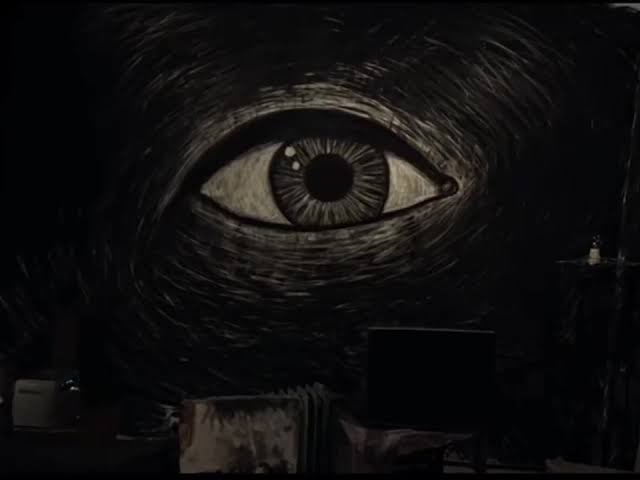
In my view, The Wolf House is singularly unique in one crucial way (beyond of course the unique making of the film itself): To truly get the full impact of the film, I believe that one must know the backstory of the film. That is, to grasp the power of this film — and simply to understand it — one must know about one of the most horrifying cults in history, a “colony” called “Colonia Dignidad.” This truly horrifying and heinous cult subjected people to internment, torture, murder, and sexual assault (including children), partnering with mass murderer Augusto Pinochet for his own heinous “disappearing” of people.
From these disturbing historical atrocities — and for unfathomably how long they went on — we can then make sense of what we experience with this film, a sensory experience that one can’t easily forget. I can’t possibly unpack this extremely dense and complex film here (one day I will create a blog post that will do this important film justice) so for now I will touch on what I see are some core elements in this extraordinary film. Remarkably, through horror-like phantasmagoric imagery, the filmmakers heartbreakingly and disturbingly realize how cults and cult leaders extract one’s humanity, in so many ways, though a loss of self (undone, unmade), through feelings of engulfment and feelings of being devoured, through even a desire to replicate the abuse and go back to the abuser. I say “heartbreakingly” because what the film also remarkably does is maintain the humanity of our victim, suturing us into her being. I don’t know if I’ve ever watched a film that does that, immerse us entirely into one of the very worst and tragic facets of the human condition, forcing us to experience how a self can be so unfathomably unraveled.
(23) Peeping Tom (1962, Michael Powell)
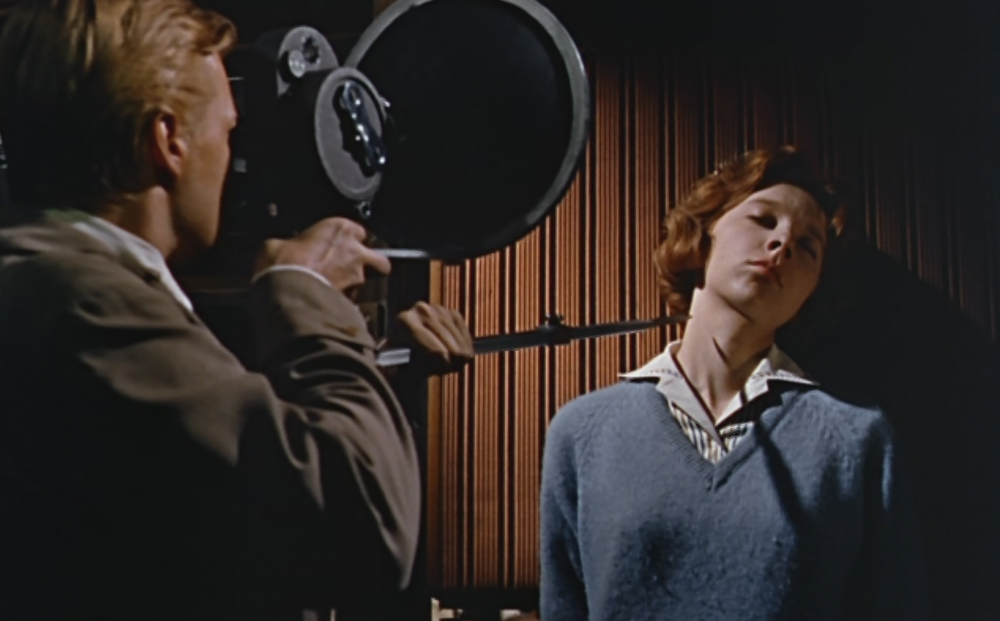
Since its infamous reception (the film was widely condemned and it is usually cited as ruining Powell’s career), Peeping Tom has grown in measure, now considered one of the most important horror films in film history. The film’s primary claim to fame is its potent self-reflexive focus on voyeurism, especially in terms of its prescient focus on the objectification, fetishization, dehumanization of women. In the context of what Mark (Karlheinz Böhm) does – his victims are women – we are confronted with our own complicity in how voyeurism is part and parcel of a patriarchal, phallocentric ideology of power that systematically violates and indeed informs a culture of violence against women. But that only begins to get at the complexities in this film. Powell also creates a sympathetic serial killer, a rare thing in the horror (serial killer) film. That is, Powell radically gives us root causes for Mark’s psychopathy and thus suggests that Mark too is a victim, his murders not a simple act of “evil” (psychopaths are not born but created) but rather stemming from horrible parental abuse, in this case, his father unfathomably experimenting on him, the subject-object of voyeurism.
(22) Black Swan (2010, Darren Aronofsky)

Black Swan is a film that I suspect will be disputed as a horror film, but, for me, it finally passes my horror test due to (A) the film’s really horrific explorations of identity disintegration and (B) the film’s truly horrific imagery. Like the best films that explore identity disintegration, Black Swan has several parts to this collapse: Nina’s monstrously engulfing mother; a dog-eat-dog ballet venue where people are reduced to animals preying on each other (e.g., brings out the “black” swans in people so to speak!), a putting “profit” (or gain) before people, people whose lives are entirely too dependent on being a “star”; a sociopathic director who inhumanely pushes mentally fragile Nina; and, finally, crucially, the black swan role itself, a trigger that releases Nina’s unconscious desire to free her dark neurotic self barely contained, released in conjunction with a dark (predatory) world’s (Thomas’s) imperative to be “dark”/“perfect.” Aronofsky perfectly blends this recipe for identity meltdown!
(21) Hour of the Wolf (1967, Ingmar Bergman)
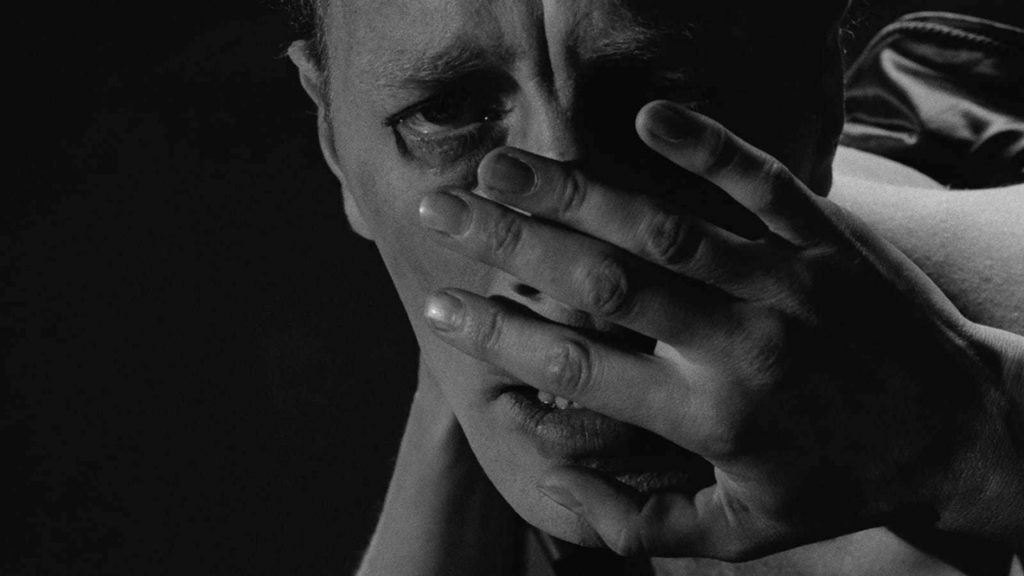
First of all, I have to say that I don’t recommend this film to anyone. While Ingmar Bergman is to my mind one of the most important filmmakers in film history (and one of my personal favorites!), his films are not the easiest films in the world to watch. In terms of Hour of the Wolf, I would say that with Persona it is his most challenging film. In Hour of the Wolf, Bergman is doing what Bergman does so well, explore the interior recesses of the mind, though in this case, his uses horror tropes to reveal the horrors of madness. The film is so challenging because it collapses “reality” and non-reality (Johan’s hallucinations) though in classic Bergman fashion, he never makes it clear when we are in “reality” mode and when we are in “hallucination” mode. Bergman has said that this film is one of his most personal films, reflecting his own interior psychological struggles. When Johan’s (Max van Sydow) reality completely collapses and he is in effect consumed by his interior demons, I don’t know if there is another film that so robustly immerses us into a demented mind. More particularly, Bergman actually gives us embodied metaphors/allegories for particular mental issues. That only scratches the surface of this extremely complex film. In sum, few films have explored the horrific descent into madness as well as this film.
(20) Mother! (2017, Darren Aronofsky)
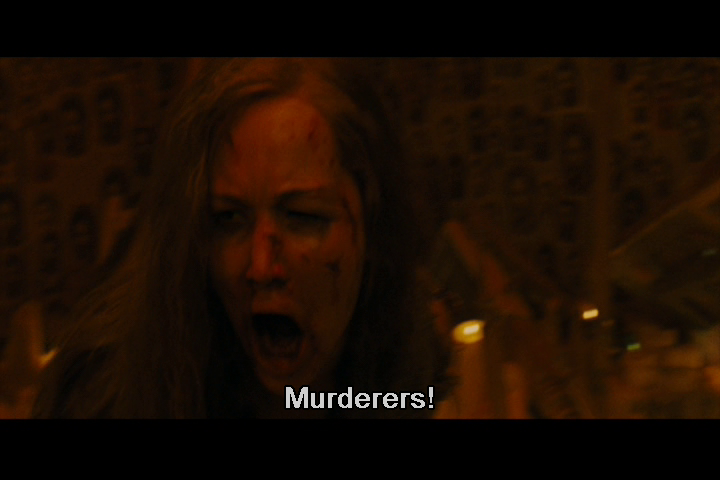
Mother! is a simply unbelievable film, as audacious as any film I have ever seen. What is just so jarring is how before this, Darren Aronsoksky directed Noah, a film I hated, because it was so traditionally conservative and risk averted in its typical representation of the Noah/flood narrative, a story that is essentially about a psychopathic God genociding a whole people (including children) and starting all over because he apparently didn’t get it right the first time!
For me, Mother! utterly corrects Aronofsky’s disappointing traditional Biblical narrative by going in the absolute opposite direction. With Mother! he ambitiously goes for the throat of a Christian God representation, giving us a startling allegorical story of a narcissistic, psychopathic (toxic masculinity) God who only cares about “himself” and not his creations.
I don’t know if I need to make a case for this film as a horror film, but I come on the side of horror for a couple of reasons, and my reasoning doesn’t include that a baby (Jesus!) is eaten in the film, which one could argue is enough to make this film horror. I think it is a horror because of how “Mother” and her home are systematically violated, the allegory of course being that she/home represents “Mother Nature” and Earth, though because the film also plays on creating “realistic” characters, the violation of “Mother” registering how toxic masculinity men violate the (psychological) boundaries of women in general. The ultimate horror of this film is giving us in effect a psychopathic (serial killer) God who creates a psychopathic humanity that can only consume, full stop. This means not just consuming “Mother Nature”/Earth, but consume each other, a truly dystopian, nihilistic representation that is hard to deny considering what our history tells us about humanity. And the serial killer God bit is reflected in how he just does this again and again, let humanity consume itself alive, only to sadistically begin again.
I have so much more to say about this film, but I will leave it at that for now.
(19) May (2003, Lucky McKee)

Ah, May is just such a unique and special…and incredibly complex film (too complex to unpack here)! Our inexplicably sympathetic protagonist (even after she has killed I think!) May (Angela Bettis) has fragilely “stitched” together a reality wholly based on her “abject” “lazy” eye, the one “part” of her that, in her eyes, makes her abject, a state of mind instigated by her abusive mother who, like so many others today, can only see value in surface level body image superficialities. And thus, May thinks by “fixing” her “lazy” eye, she will fix her one abnormal “part” and thus become part of the “whole” world, which, in turn, will bring her the unconditional love and acceptance that she so craves. When this fragile belief/reality begins to “crack” (and then “shatter” into “pieces” in a powerfully dramatic scene!) – when she sees that the “norm” of this reality is really imperfect people “devouring” each other (punctuated by Adam’s film) – May creates – “stitches” together – her own reality! The film’s complex play on Mary Shelly’s Frankenstein adds a layer to this interesting discourse; that is, like Frankenstein’s abject “monster,” May creates an abject “monster” (ironically made out of “perfect” “parts,” well, almost so…) that utterly destabilizes our sense of “normalcy,” making the “perfect” abject and thus making the abject our new “normal.” And that just scratches the surface of this incredibly complex film. A must see film for horror fans!
(18) The Babadook (2014, Jennifer Kent)
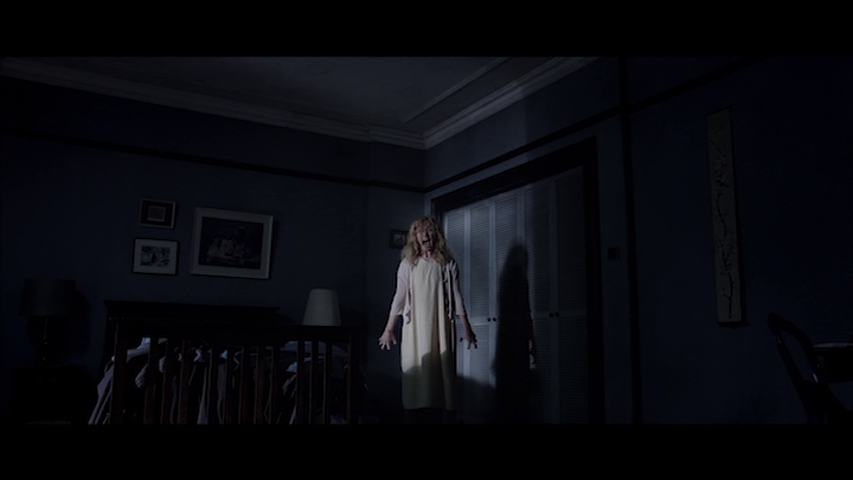
The power of this amazing film is to realize at least one of the greatest potentialities of the horror genre, to recognize that the most horrifying monsters are the ones in our minds (as my list suggests, many of my favorite horror films exploit horror tropes to this end). In this case, Amelia (Essie Davis) suffers from mental illness, stemming from the loss of her beloved husband (who she conspicuously deposits in her basement, locking the door, beginning her unresolved issues with his death) and the challenges she faces with her challenging son Samuel (Noah Wiseman) who has behavioral issues himself including some violent tendencies and a too close attachment to his mother, who, as we come to see, sees his clinginess as parasitical and possessive, a further engulfment fear by her. The Babadook creature then is not only a manifestation of her traumatic bereavement issues but also a mechanism that frees her from her symbiotic (from her mentally disturbed point of view) son, another deeply disturbing truth of child rearing that parents encounter and often cannot confront in a healthy way.
(17) Nope (2022, Jordan Peele)
Jordan Peele’s film Nope is one of those confounding films, so full of rich signifiers and symbolisms and yet also Peele not obviously connecting all of them. After four plus viewings now, I can’t honestly say I’ve connected every element in the film, but I think I have figured out the most important ones and a few more than that. More generally, I must say that after repeated viewings, I’ve concluded that Nope is Peele’s richest and deepest film to date. I don’t think that is obvious at first blush, but that is why repeat viewings are necessary for deep and complex films. That’s what it takes to peel back the many deep layers of a film and connect the pieces.
For more, see my full length blog post on the film.
(16) Psycho (1960, Alfred Hitchcock)
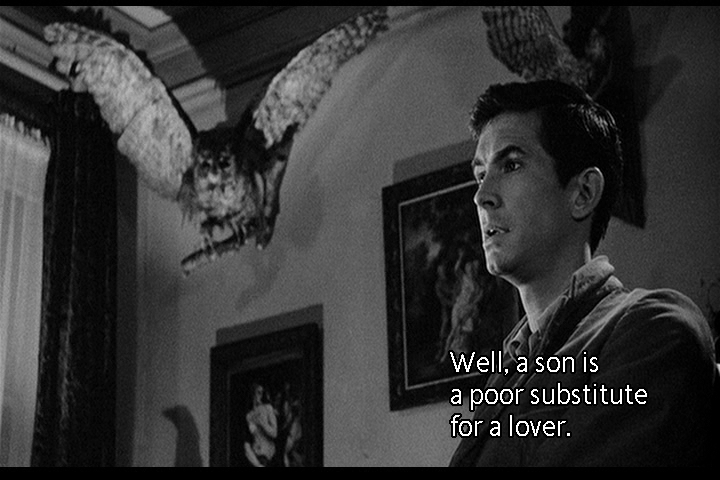
One of the most famous horror films of all time is also one of the most complex. Like Hitchcock’s other best films, Psycho is best understood not by its most sensationalistic moments (the famous shower scene) but rather via the seemingly inconspicuous or less important signifiers in the film. Take the stuffed birds of prey that Hitchcock focuses on when Norman (Anthony Perkins) and Marion (Janet Leigh) chat in the parlor room, signifiers that seem to point to not just the reality of what is really going on in the moment, that Norman is a predator preying on his “prey” Marion, but how this analogy is more complex than that, e.g., Norman is “prey” as well. This “predatory”/“prey” binary actually is writ large throughout the film, beginning with powerful rich Cassidy (Frank Albertson) who clearly “preys” on Marion, not too subtly propositioning her with money (and there seems to be another also not too subtle Oedipal echo of his relationship to his daughter). And then we get that “Rape of Lucretia” image covering the peep hole, here again ostensibly punctuating Norman’s violation of Marion as he watches her take off her clothes but which may be suggestive of Norman’s violated victimization as well. That is, the most glaring predator of all of course is Norman’s mother, an abusive parent, as she comes through in Norman’s embodiment of her, e.g., it was her monstrous parenting that created a monster (Norman). In short, simply put, especially via these two glaring signifiers – Norman’s mother and Cassidy – it seems to me that Hitchcock is targeting two truly destructive ideologies, Christian/Protestant ideology and Patriarchy ideology respectively. We keep getting signifiers of both, the Christian/Protestant ideology signified by Norman’s mother’s Christian scolding (a taboo on pre-marital sex, sex/sexual desire as obscene/indecent, repression of sexual desires, “family values” as normative behavior/self, etc.), and the latter embodied not just by Cassidy but by his glaringly conspicuous cowboy hat, the ultimate signifier of patriarchal, phallocentric ideology. In this way, Hitchcock has created both one of the most complex serial killers of all time (Norman) and one of the most complex serial killer films.
(15) The Platform (2019, Galder Gaztelu-Urrutia)
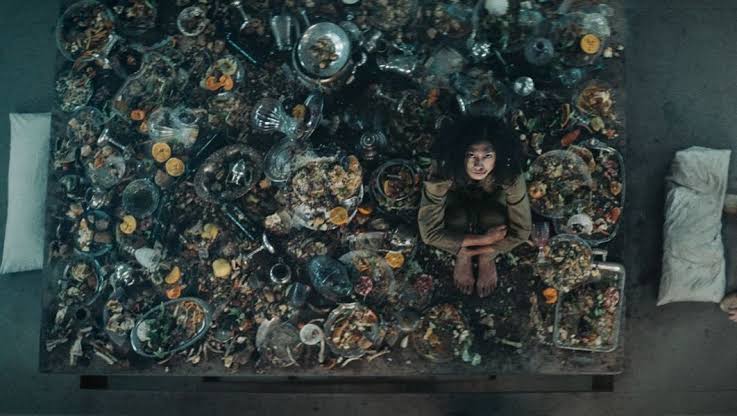
The Platform is a truly mind blowing film, so jarring in its scope, a dystopian sci-fi horror film that borders on nihilism its representation of humanity is so grim. Many writers and viewers of the film say it is a textbook allegory for capitalism and I think that is a spot on reading of the film. Before I get to that, I do want to say that I understand those who read the film more simply, as a nihilistic representation of the human condition in general, the idea being that when humans are put in a survivalist mode of being, they will resort to a more primitive, self-interested way of thinking and being, to the point that people will give little consideration to the plight of Others. I have no problem with this reading, and I would still argue that if one just reads the film this way, it still deserves the kind of high esteem and ranking I’m giving it here, for it speaks to some fundamental barbarity we still have in our collective DNA and cognition so to speak.
However, I think there are many signifiers in the film that suggest that the filmmakers were going after something deeper than just that. And I would strongly argue that these deeper meanings in the film intersect with the above, giving us a very grim picture of humanity indeed. I’m not going to go into every illustration of this – I will save a fuller picture of this for my longer blog post on the film – but here are three examples of what I’m talking about:
*Peculiarly, the film opens with a chef preparing the food as if he is working for a fancy restaurant, which would seem to be a bizarre commentary on how we even commodify food, not to mention prepare food for wealthy elites that the poor do not get. When the food gets to the prisoners, they could care less about this high end preparation, since they are eating it just to survive, a brilliant way to stress how food in capitalism/consumerism, like virtually everything else, should be largely seen as a utility need, not fetishized for wealthy elites, though I do want to leave room here for chefs who truly do see food making as a kind of art form.
*Early in the film, Trimagasi (Zorion Eguileor) relates how he was put in the “pit,” telling Goreng about a commercial he watched, about a knife sharpener (“Samurai-Max”) that could sharpen any knife and make it so sharp that it could cut through a brick. Interestingly, Trimagasi says how after watching the commercial, he wondered if perhaps his “life is so shitty because [he doesn’t] sharpen [his] knives,” a very interesting sentiment, evoking how commercials do this, tap into some deeper desire or lack we feel in our life, the desire or lack then being filled by the product advertised. But then after buying the “miracle” sharpener, Trimagasi relates how he then gets the next advertisement for a “miracle” knife (“Samurai Plus”) “that stays sharp, even if you cut a brick with it,” “the knife sharpen[ing] itself as it cuts,” effectively making his “miracle” sharpener” obsolete! This story reflects textbook capitalism-consumerism and how every facet of it is mercenary, creating not a utility need to be filled but rather an unnecessary fetishized desire that a consumer thinks needs to be filled, not to mention that in strategically “selling” one product, the underlining strategy is “planned obsolescence,” immediately making the original product trumped by a superior product. This mercenary, predatory way of thinking and being is in turn what creates or reproduces dehumanized “consumers,” which, in turn, is part of how people lose their humanity, including their empathy. I’ll come back to this point in my latter analysis.
*Early on, Goreng (Iván Massagué) tries to devise a plan where everyone can work together to ration the food so everyone on all the levels can get enough food. When Trimagasi first hears this plan, he calls Goreng a “communist,” the point being that they live in a capitalistic system that promotes mindless consumption, no matter the consequences to others. Communism is thus seen as capitalism’s opposite, a system/ideology that redistributes the wealth – in this case food – to everyone equally, so no one goes without. And I can already hear those who say that this is not what communism is! I am talking here about Karl Marx’s original vision of communism, which was in effect a utopian vision, a classless, stateless, moneyless society, tribal in the sense that everyone worked for the tribe, or community, not for themselves. Virtually all the countries who call themselves “communist” or “socialist” are “communist/socialist” in name only, e.g., all of them are totalitarian (fascist, authoritarian) regimes, bearing no resemblance to Marx’s original vision of communism.
And I would stress one other thing here: In short, capitalism is a predatory, mercenary, dog eat dog, survival of the fittest economic system/ideology and at least part of this ideology is consumerism, a way of thinking and being that in effect indoctrinates people to mindlessly consume, not for need but for an Id-like desire to feed one’s gluttonous appetites. This facet of capitalism-consumerism is perfectly allegorized in the film, but more than that, this way of thinking and being compounds the simpler reading of what some see as human nature, that primitive side of us that still cognitively exists. In other words, toxic ideologies such as capitalism/consumerism (and others, such as white supremacy, patriarchy, etc.) actually compound that baser side of humanity, the last thing we should want! I have more to say about this extraordinary film, but I’ll come back to this fuller analysis later.
(14) The Stepford Wives (1975, Bryan Forbes)
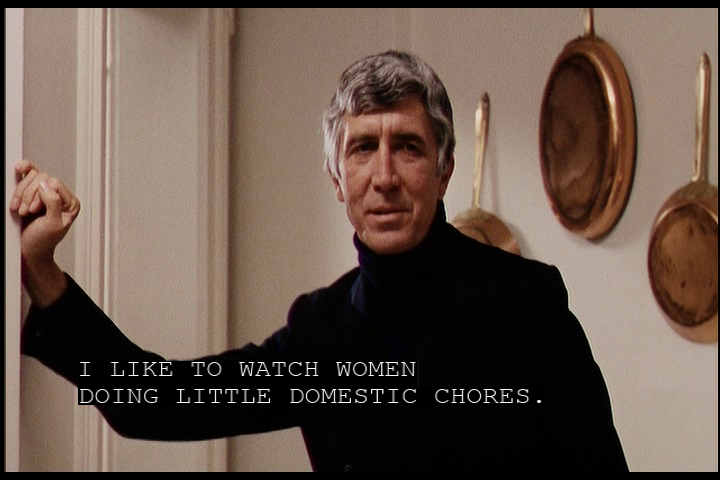
I must say that I was truly blown away when I watched The Stepford Wives again. I know that the film is considered a landmark feminist horror-science fiction film, but I wasn’t expecting the film itself to hold up so well. I mean, it’s a 1970s TV movie for goodness sake, and that’s when TV movies were made on the cheap and pretty staid in terms of filmmaking and content. Or, well, the film does have that 1970s TV look about it — kind of flat in its use of the cinematic apparatus — but it is also surprisingly loaded with symbolism and allegorical connotations.
More pointedly, the startling power of the film stems from how it gives us the stark reality of how truly horrific toxic masculinity is, toxic masculinity men both confronting the REAL, their diminishing power in the face of women’s growing autonomy and independence, and the horrifying scenario to have that power unequivocally back in its most pure form. That is, in the form of automatons who can be programmed in a way that gives these toxic masculinity men everything they want — including to be “sex-kings” — they get their ideal “woman.” The truly terrifying thing about how the film plays this dystopian scenario out is that it is believable, maybe not in the literal terms of automaton “wives” — though maybe even that (!) — but rather in having wives/women who are in that mold, unconditionally obedient, slavish, submissive, not unlike we see today with “trad wives,” cults, and fundamentalist religious belief systems.
Here again, so much more to say here but I will come back to a deeper analysis of the film.
(13) Dr. Jekyll and Mr. Hyde (1931, Rouben Mamoulian)
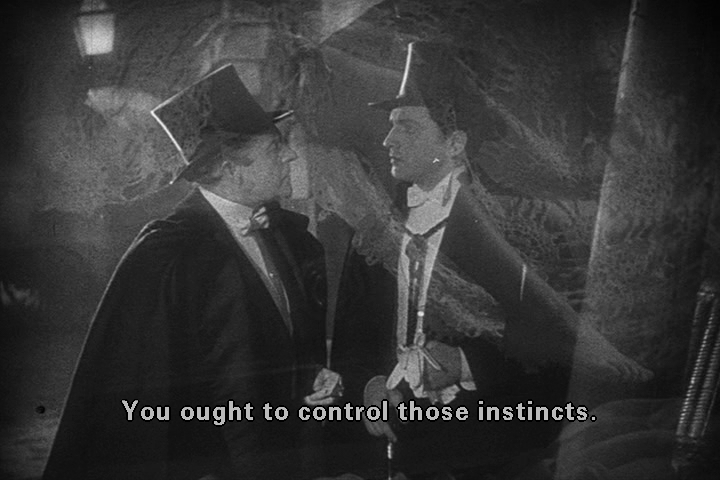
In my view, this adaptation of Robert Louis Stevenson’s famous novel is still the best version. A film ahead of its time (in part due to being made before the notorious stifling Hays Code kicked in—this film has some really risqué moments!), it potently realizes Stevenson’s famous exploration of our repressed nature, what film studies scholar Robin Wood divides into “basic repression” and “surplus repression.” One of the complexities of this version is in giving us both of these repressive parts of ourselves, our primitive (prehistoric) self, that animal side of us that, as Wood so stresses, we need to repress – that is healthy for us to repress – so as to get beyond our most primitive self, and “surplus repression,” those natural elements of ourselves that are unhealthy for us to repress, e.g., sexual desire, women’s sexual desire, “deviant” sexuality, and so on. Most tantalizing is how Rouben Mamoulian has Jekyll (Fredric March) and prostitute Ivy (Miriam Hopkins) represent in so many ways characteristics that are a threat to the dominant (oppressive-repressive) ideology, e.g., Jekyll transgresses the elitist decorum of high society (Jekyll offers up an “alternative ideology” to existing class superiority and elitist/tradition dogma) and Ivy transgresses on “normal” female (suppressed) sexuality, her overall free (sexual) spirit behavior subversively transgressing the norms of society. Of course, the glaring emphasis is on Jekyll’s own forced suppressed sexuality, e.g., he clearly bristles at being subjected to suppressing his sexual desires, his “vulgar” (for the time period and for the decorum of his elite environment anyway) expression of verbalizing this sexual frustration distressing the repressed elites around him. The film itself offers up commentaries on the Real of normative (patriarchal, phallocentric, elitist, capitalistic) ideologies, which we especially get with Jekyll’s (not Hyde’s, Jekyll’s!) patriarchal, phallocentric, toxic masculinity monstrousness, him seeing Ivy as an object he can consume. Notable too is the crucial ingredient of the class thread that runs throughout this film, the way that the film is a commentary on the extreme class disparities in society. Truly, a film ahead of its time!
(12) Cat People (1942, Jacques Tourneur)
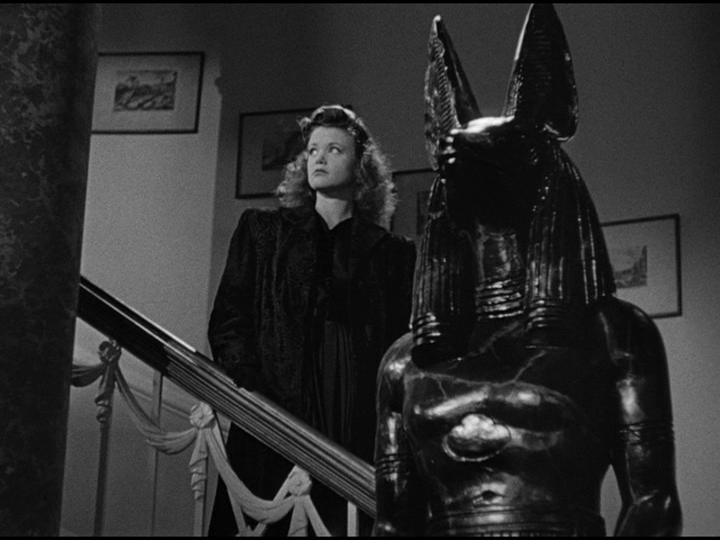
I believe Cat People has always been the consensus pick as the best of the Val Lewton productions, but I still I don’t know if film studies scholars have fully understood just how special this film is. The film seems to be a prototype for the structure of many horror films from this time period, e.g., the foreign Other-as-monster (Irena) subversively disrupting the ideological status quo of wholesome American “normalcy,” to be of course “annihilated” by the end of the film, allowing the wholesome normalcy of American goodness (represented by all-American couple Oliver and Alice) to be firmly re-instituted. However, while foreign, exotic Irena (Simone Simon) is “annihilated” by the end of the film – and her exotic, “deviant” sexuality with her – and the wholesome American couple are left standing, that isn’t quite the end of this story. I would strongly argue that what makes this film so subversive is that it doesn’t entirely quash this exotic Otherness, thus subversively destabilizing the dominant (American) social order. I say this because of (1) the way the film makes Irena so sympathetic, even at the end when she in effect kills herself, and (2) the way that the film codes Dr. Judd (Tom Conway) as the “King John” figure of the film, which, in turn, most radically, connects Dr. Judd to the “King John” (Christian, “white man’s burden”) narrative, which to me has the effect of casting doubt on it, may in fact be commenting on how western ideology has been doing this for centuries, conquering indigenous peoples and in the name of “white man’s burden,” “civilizing” them out of their indigenous belief systems. Informing this latter element even more is the other “cat woman” we see who seems to have accepted her Otherness/self (deftly rejecting the Christian “normalizing” thread in the film!), tantalizingly suggesting that there is indeed perhaps an alternative (Other) path for Irena, making her suicide not a relief but a tragedy.
(11) Men (2022, Alex Garland)

I absolutely loved Men (2022, Alex Garland). It is the epitome of a cerebral horror film, kind of dizzying with is loaded use of allegory and symbolism. I must caution viewers for the last half hour or so of the film, which jarringly shifts to a kind of Cronenbergian body horror film and I know body horror films are not for everyone. And also like many of Cronenberg’s body horror films, Men is, well, weird. Ultimately, I do heartily recommend Men, a film that is to my mind brave in its focus. I say brave because, in my reading of it, it doesn’t mince words so to speak, it is an out and out attack dog film, attacking not “men” per se, but rather toxic masculinity “men.” I suspect many people, and, yes, especially men, will not like Men for that reason alone, because it is a full throated, unequivocal attack on toxic masculinity men. And I do think it’s important to stress that the film doesn’t seem to attack men in general, just toxic masculinity men, an important distinction.
The other point that needs to be stressed about this interesting film is how it is one of those films that rides that fine line between realism and allegory. Though grounded in a “realistic” story, the film pretty quickly clearly establishes itself as an allegorical film, with virtually every character and facet of the film subject to an allegorical reading. The ending of the film especially forces one to in retrospect read everything that comes before allegorically, and the allegorical here adds to the boldness of Alex Garland’s project, a literal rewriting of Biblical/cultural/ideological undergirding of toxic masculinity ideologies. In short, toxic masculinity ideologies (patriarchy, phallocentrism, hypermasculinity, sexist gender norms) began with religious belief systems (especially Christianity), which began the process of “begetting” phallic men who see their (phallic) sex as that which makes them the center of being and thus “privileged” to dictate being to women. Lots to unpack with this film but, again, I’ll come back to it in a later blog post.
(10) Rosemary’s Baby (1968, Roman Polanski)
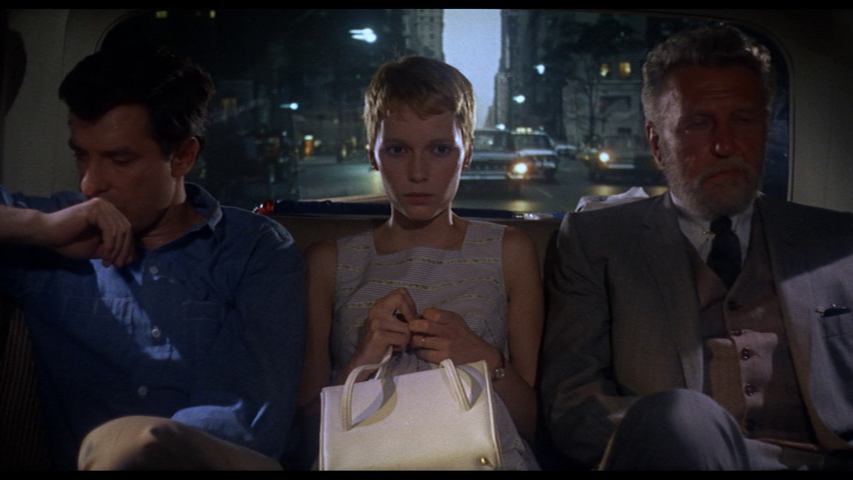
If we apply the “return of the repressed” to Rosemary’s Baby, the real power of this film comes into focus. The “monster” in the film is of course the devil “himself” (and I think the context of this film genders the devil “male”) though the Satan worshippers are also the “collective” “monster.” And since the devil sexually assaults Rosemary (Mia Farrow) – see her as a vessel for “his” desire, an object to do with as he pleases – we can then make the leap that the devil is the ultimate toxic masculinity (phallic) “male.” By extension, since the Satan worshippers also can only see Rosemary as an object for their utility purpose, see her body as theirs to control, I think it is pretty easy to see how they too represent certain facets of toxic masculinity ideologies, especially patriarchy and sexist gender/sex norms. More particularly, they control and dominate Rosemary (see her body as theirs to objectify and use for their needs), have no empathy for her plight (like all women in this toxic masculinity model, Rosemary is simply disposable Other), seek only power and privilege, all descriptors of patriarchy. And patriarchy isn’t about men per se – though of course the men in this film are all roughly the same, control and dominance over Rosemary or any other women (recall the woman who they kill) being a “norm” they live by – but also about a toxic way of thinking and being in general, including of course women.
The other interesting aspect of the film is how the film is a commentary on capitalism and consumerism itself, in that the husband (Guy, an interesting symbolic name), who also represents toxic masculinity ideologies, doesn’t respect Rosemary’s bodily autonomy and sovereignty but instead sees her body as a body he can do with as he pleases, including selling it to Satan. He sells her for material gain, just as the Satan worshippers sell themselves and Rosemary (and other women) for immediate gratification, power, wealth, fame, fortune, hedonism.
In this way, the film becomes a commentary on how so much in our world is about singularly fulfilling our desires and appetites. The desire to unleash our Id to fulfill its hedonistic appetites and desires IS what capitalism-consumerism taps into.
Through the Satan worshippers we can see how clearly that which reflects evil or Satan what that is defined by, those who only live for their appetites and desires, hedonists who seek out power and wealth, those who have no empathy for Others, who in fact use Others as disposable bodies for themselves. This becomes an allegory for the larger way that those in power do this themselves. The associations of the devil bring us back to clarity on what evil really is, not Satan per se but the face of Satan, people who utterly have no humanity.
(9) Get Out (2017, Jordan Peele)
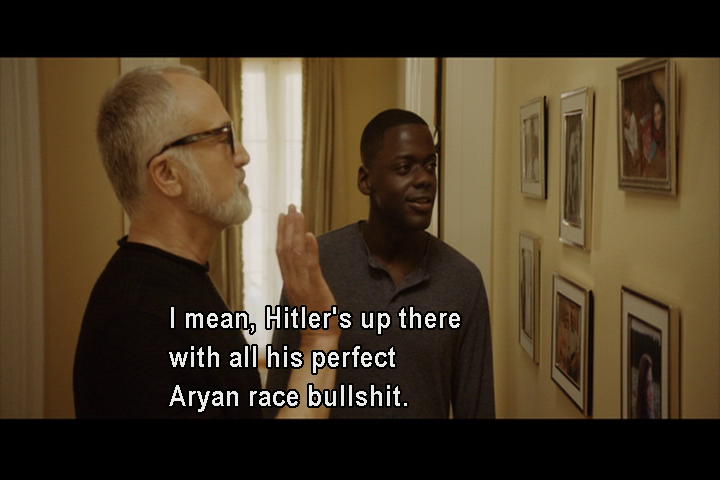
For me, Jordan Peele’s brilliant first horror film is still his best horror film. I think Nope is the more complex film, but for me Get Out is the more incisive in its searing focus on racism and white supremacy. What Peele is going after here is a more subtle (though not really, comparatively speaking!) but no less horrific form of racism. This isn’t the racism of the KKK, it is what is thought of as “liberal racism,” liberals who like to think of themselves as not racist but still informed by a self/Other mentality, internalizing black stereotypes (oversexualizing or eroticizing black men), valorizing physical gifts to the detriment of mental gifts (great athletes, etc.) or just seeing blackness instead of just seeing the human being (Tiger Woods is great, Obama is great, “I have black friends,” etc.). Though the hateful, prejudicial form of racism is still very much with us – and the film gets at that as well – it is this more stereotyping, self/Other racism that will be our last hurdle to really ridding us of the ideology of race/racism once and for all. Peele gets at all of the above (and more…so much rich and deep symbolism and deeper meaning in the film) through seamless horror tropes and allegories, deepening the disturbing reflection on this crucial issue. Again, lots more to say here, but I will come back to this sublime horror film in a fuller blog post.
(8) The Innocents (1961, Jack Clayton)
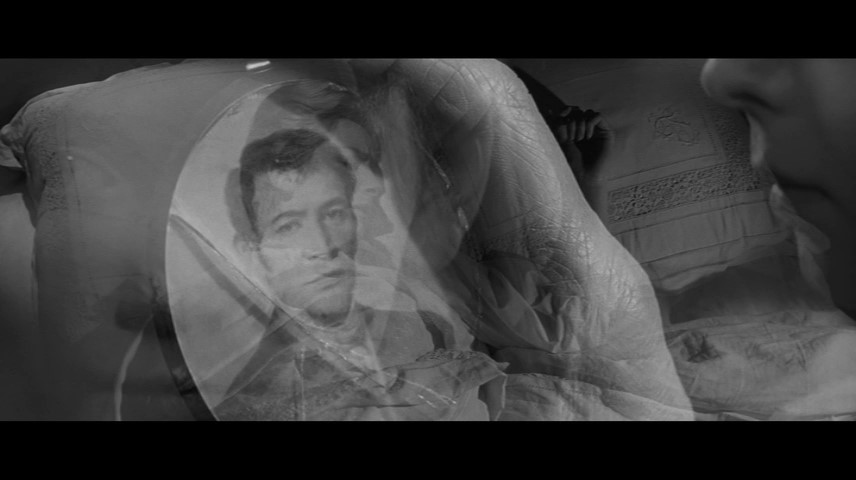
The brilliance of The Innocents is in its doing what most scholars and spectators say it isn’t doing. That is, most scholars and fans of the film think that it maintains the delicate balance of Henry James’ seminal work The Turn of the Screw (between whether the ghosts are real or just a product of Miss Giddens’ unbalanced imagination) but in my view they don’t see how director Jack Clayton (and screenwriters William Archibald and Truman Capote) actually use some strategic uses of form to tip the balance in favor of the ghosts not being real! (I can’t map this out here in the complex way it is structured in the film, but I will at some point). For some, such a loss of ambiguity takes something away from the film. However, I would strongly argue that the film is stronger for this change, because instead of the ghosts destroying the kids, which would mean that Miss Giddens (Deborah Kerr) puts up the good fight and lost with no one to really blame but the “evil” ghosts, we get a much grimmer picture of already damaged children being destroyed not just by insane (severely sexually repressed) Miss Giddens, who may have been their last hope (e.g., their last hope for a healthy surrogate parental figure), but by an oppressive ideology (Christianity/Protestantism, patriarchy) that creates monsters such as Miss Giddens.
(7) I Saw the TV Glow (2024, Jane Scheonbrun)
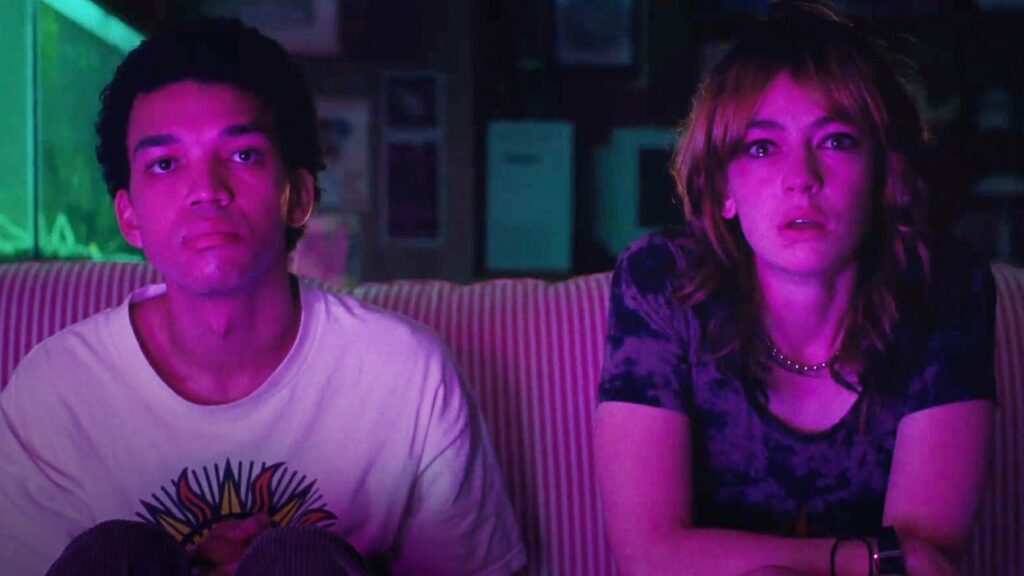
Like so many others who love I Saw the TV Glow (for so many reasons!), I too have become enchanted by this unique film. Having said that, I do sympathize with those viewers who don’t get all the fuss being made over Glow. Though I loved the film from the get go, for my first viewing of the film, I did find the film challenging and just so heavy and perhaps not as complex as I have come to believe it is. In terms of the latter, part of the film’s uniqueness is that its real power and complexity I think comes into stark clarity on repeat viewings. And less I make this film too much seem to be some abstract art work, part of the power of this film is also its searing exploration of the trauma of being LGBTQ+.
Before I jump into my analysis of the film, I do want to comment on whether Glow is even a “horror” film. I’ve heard many say that it isn’t really “horror” but more like a “magical realism” film and I think that is an apt way to categorize the film. However, I also think one can make a case for it being “horror” as well. For one thing, the film stems from director Jane Scheonbrun’s love of two “horror” staples, the TV series Buffy the Vampire Killer and the LGBTQ cult horror film Sleepaway Camp. In that context, Scheonbrun created the film in a way that at least feels like a “horror” film, using the cinematic apparatus in the same way one would use it to cast the film in typical “horror” tropes. So, for example, much of the film is lit in a way to give it a creepy, dark vibe, a way to reflect on the “horrors” of being LGBTQ in a world that rejects such a way of thinking and being. (I have so much more to say about Scheonbrun’s interesting use of cinematic form in the film but will save it for my latter full length blog post on the film.) This latter point gets at the other reason why I think the film could be categorized as “horror.” I’ve heard some analysts use the term “existential dread” to describe why the film feels like a “horror” film, and I think that is a perfect way to sum this focus up, how the film immerses us into the “horror” of being LGBTQ and not being able to be one’s authentic self, instead being forced to live an inauthentic way of being, Scheonbrun using horror tropes to explicate just how horrifying that oppression is.
More specifically, in terms of Owen (Justice Smith), Scheonbrun explores the most painful aspect of trans individuals trying to self-actualize themselves, become the person they know they are. Trans coming out narratives are not uncommon but for me Owen’s story is just so tactile and personal that it becomes a more subversive or suturing or experiential film, part of what makes the film so unique I think. More than that, though, Scheonbrun uses “horror” tropes to cast Owen’s existential narrative in end of self terms, perhaps the most unfathomable feeling of loss for, well, any individual I have ever experienced.
Moreover, “Mr. Melancholy” is the physical “monster” in the horror TV show “The Pink Opaque” but represents the psychological “monster” in real life. At one point, Maddie (Jack Haven) says to Owen that “you can’t trust anyone in your life, they are all working for him, Mr. Melancholy.” That “Mr. Melancholy” is depicted as the moon in the “The Pink Opaque” speaks to how this becomes a deeper metaphor, that the real “monster” for LGBTQ+ individuals is not some physical entity, or just that, but rather the constant threat of succumbing to the “melancholy” that comes with feeling one’s Otherness and the horrifying oppression of not being allowed to be who one is, to not self-actualize one’s (queer) self. In this way, too, because Maddie has been so oppressed by the people in her life, she feels that she “can’t trust anyone in [her/their] life,” since a majority of heteronormative people “work” for this monstrous ideology and become part of that which oppresses Maddie and the Maddies of the world.
Again, I have more to say about this interesting and deep film, but I’ll leave it at that for now.
(6) Antichrist (2009, Lars von Trier)
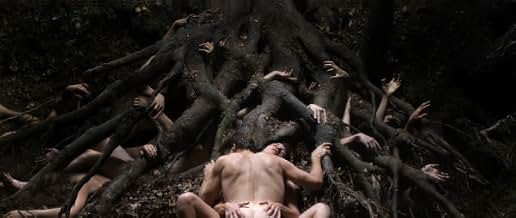
Okay, first of all, I just have to emphasize – no, make that hyper-emphasize – that I not only don’t recommend Antichrist, I recommend to most of you out there to NOT watch this film! For one thing, the film has one of the most disturbing scenes I have ever seen in cinema. More generally, the film is as graphic and disturbing as any film I’ve ever seen. (Add in that the film is also pretty challenging in terms of its methodical pacing and uncompromising withholding of any respite from its abstruseness.) In terms of its deeper meaning, the one thing that perplexes me is the view by many scholars that the film is misogynistic. Perhaps I am the one who is way off base but I actually thought the film was most definitely not misogynist but indeed feminist! In short, I read the film this way: The film radically excoriates a historical misogyny, going back to Christ/Christianity, which made “He” (and this connects to the film not giving the characters names but referring to them as “She” and “He”) the ontological (phallocentric) center of “nature” (inscribing a patriarchal God centered ontology) inscribing all that follows in a patriarchal, phallocentric mode of being, creating in this inscription a kind of “gynocide” (She’s thesis), where women were/are inscribed as both “nature(ally)” “evil” (Eve, witches) and whose body is controlled by (hu)man nature. In this context, what She discovers in her research is that she is by her very nature inscribed as “evil” and thus when her son dies while she is experiencing her natural desires (she is having sex with her husband) – suggesting to her a kind of proof that she is a bad mother and thus indeed “evil” – She begins to fall deeper and deeper into the spell of this inscribed ontological (Christian, patriarchal, phallocentric) compulsion. Of course, this reading leaves out a ton of signifiers that may or may not support this reading but alas I’ll have to leave it at that for now!
In the meantime, for a really good analysis of the film, check out this essay, “Antichrist 2009 – An Interpretation.”
(5) Repulsion (1965, Roman Polanski)
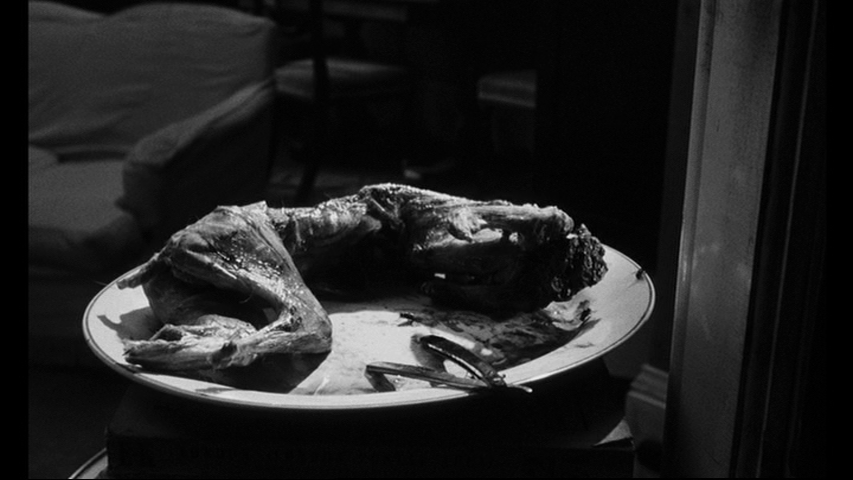
As I conveyed in my opening blurb, I suspect many horror fans are going to be upset that I include films such as Repulsion. But, again, I take a much broader view of horror, including films that offer not just physical horrors but psychological horrors as well, not to mention the horror tropes that are used to inflame these psychological terrors. In this case, to me, Repulsion is perhaps the most mind bending of all psychological horror films, a film that begins with our sad protagonist’s eye, a provocative suggestion of her deeply abject view of the world and thus suggestive of us entering into Carol’s interior view of the world. That is, due to her psychosis, we begin to experience Carol’s world as a bleak “grotesque” “abject” world. Moreover, I would argue that this cannot but affect the way we see the world as well, us seeing what Carol sees and experiences through her hallucinatory, abject state of mind. Almost every element in the film contributes to painting this abject (grotesque) view of Carol’s “repulsion” of sexuality and the men she can’t help but associate with sex. That’s what the “abject” can show us: It forces us in the most dramatic, shocking way to see how a traumatic event (childhood sexual abuse in this case) can fragment, dis-locate, un-constitute an individual, and, by extension, make us see the dysfunctional (grotesque) latent within the seemingly functional. Of course the most blatant example of this is the haunting photo at the end, depicting a seemingly typical (warm) happy family, with the dirty little secret lying just below the surface.
(4) The Witch (2016, Robert Eggers)
So, for this project, I re-watched The Witch and I must say that my response to it was much different than when I first watched it. My first viewing of the film wasn’t entirely negative but I didn’t love the film; I thought it was a bit muddled and didn’t offer up a coherent deeper meaning. Watching it again, now I think the film is not only coherently deep, it also offers up radical deeper implications. I should just add that, for me, these radical deeper implications also make The Witch an extremely bleak and unpleasant film.
See my longer blog post on the film for more.
(3) Videodrome (1983, David Cronenberg)
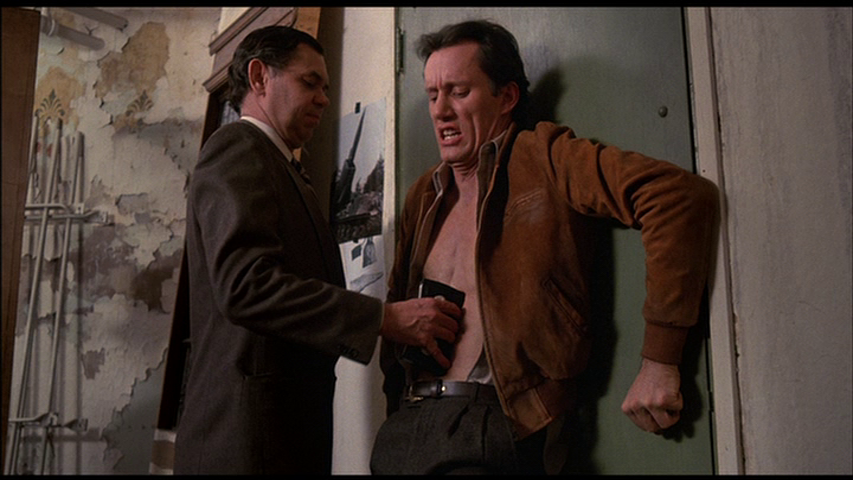
A lot of fans of this film might think I have this film in the wrong genre, that this is a science fiction film not horror, but to my mind it is both, especially considering that in classic Cronenberg fashion, the film has some of the most disturbing and horrific images ever, a prime example of his “body horror” phase (and at least one reason why I think the film is just such a turn-off for so many people). To my mind, Videodrome is one of the most prescient (and thus important) films of all time. For one thing, the film presciently predicted the direction our overstimulated, instant gratification consumerist culture would go. In short, the videodrome content, an allegorical stand-in for all of the repellent content that permeates our media discourses today, sensationalistic reality shows, torture porn horror films, pornography, simulated snuff films, animal stomping videos, posted “death” videos (beheadings, etc.), and the list goes on. As the film posits, there is a vicious domino effect here, where sensationalistic stimulation begets more sensationalistic stimulation, to what end? Further, like the videodrome signal changing people’s brains (it gives people tumors, the source of their hallucinations) media discourses and technologies are also literally changing us, creating a sea of personality disorders, attention deficit disorders, anxiety disorders and so on. Even more disturbing is what Videodrome also tells us about our current milieu: Max (James Woods) becoming a living, breathing VCR controlled by the powers-that-be metaphorically signifies how we too are controlled by corporate owned media discourses and ideology in general, not just in terms of how consumerism dictates our tastes and interests (our very way of thinking and being) but how because of our utter addiction for consumerist stimulation, we are literally directed away from the issues that impact our lives (and potentially threaten transnational corporate power!). Finally, Videodrome potently and cogently telegraphs how as representational realities come to more and more permeate our lives (and become more sophisticated, e.g., AI!), “reality” and “representation” collapse, blurring the boundaries between the two, (think, for example of how gaming and avatar technologies actually create preferred “realities” for people!).
(2) The Shining (1980, Stanley Kubrick)
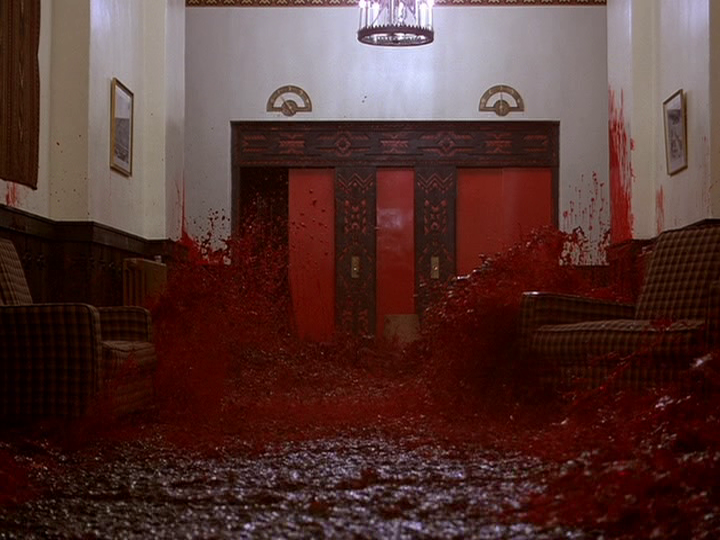
Because of its density, The Shining is another film that is difficult to encapsulate. Kubrick is one of my very favorite directors, a filmmaker who consistently offered up deconstructive visions of American ideologies. In this context, as he does in most of his films, in this film Kubrick reveals the REAL lurking below the glossy (ideological) surface. The glossy surface of the hotel seems ordered, functional, harmonious, but the Real below the surface is really chaotic, disordered, disharmonious. But here is the more profound metaphor: If the hotel is a metaphor for America (as I think it is) then the glossy surface is America and the Real is its “cannibalistic” past and present. In other words, America has built its wealth and power on the grounding under of Others, not just Native Americans, but African Americans, women, the working class, children, and so on. Like the Donner party (referenced in the film), America eats its own (the cannibalism metaphor). So the eruption of blood that we see in the film is a figurative eruption of our societal (ideological, humanity’s) “return of the repressed.” That is, for me, it signifies America’s violent past and its suppression/oppression (consumption) of Others. In this framing, Jack’s desire to be one of the “best people” (especially exemplified in his conspicuously verbalized “white man’s burden” comment) allegorically makes him the stand-in for America and his ensuing “consumption” (“big bad wolf”) of his family and Hallorann (Scatman Crothers) are appropriately figurative stand-ins for what American ideologies (patriarchy, phallocentrism, hypermasculinity, capitalism) having been doing to Others for centuries, eating them.
I am presently working on a longer blog post and video analysis for this film, so a more intricate breakdown of all this is coming.
(1) American Psycho (2000, Mary Harron)
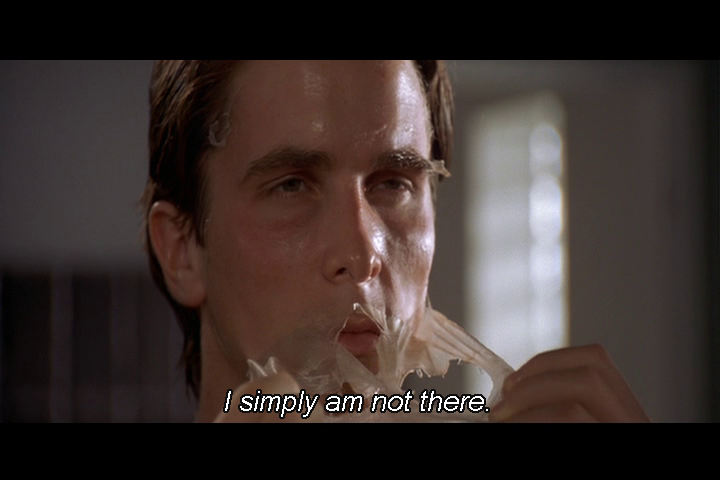
To my mind, American Psycho isn’t just an important horror film, I would strongly argue that it is one of the most radical political films ever to come out of Hollywood. In short, American Psycho examines how, via the allegorical figuration of Patrick Bateman (Christian Bale), consumerism robs individuals of an authentic identity, replacing it with a consumerist (“inside doesn’t matter”) identity, which, in turn, is symptomatic of a collective sociopathy in our cultural milieu (e.g., consumerism/capitalism makes “sociopaths” of us all). To better explicate this idea, here is the opening paragraph to my essay on the film: “Perhaps no film more radically reveals the ‘serial killer’ (cannibalistic) nature of consumerism than American Psycho (2000, Mary Harron). The implications of this disturbing ‘reality’ are cataclysmically far reaching: The end of the world may not come from some tangible material catastrophe (at least insofar as it isn’t a corollary of this dehumanization process); rather, more insidiously, it may come via a psychological de-humanization process whereby we literally lose our humanity from the inside out. To understand this development, the film didactically reveals an all-consuming consumption fixation that begins with a food fetish but then is extended to the consumption of women in particular, Others in general, and, most disturbingly – and informing the first two – the ‘self.’”
For more on this film, see my essay on the film, “‘Inside Doesn’t Matter’: Consumerism’s Serial Annihilation of Women and Self in American Psycho.”